










LED Upgrades: Key Advantages Explained
Table of Contents
- What Are the Main Advantages of LED Upgrades?
- Energy Efficiency and Lower Running Costs
- Extended Lifespan and Reduced Maintenance
- Best Energy Saving Light Bulbs for Home
- How to Choose the Right LED Bulb Fitting
- Environmental and Health Benefits
- Improved Light Quality and Control
- Frequently Asked Questions
Last Updated: October 4, 2026
What Are the Main Advantages of LED Upgrades?
The advantages of LED upgrades extend far beyond simply swapping one bulb for another. When you move from older incandescent, halogen, or fluorescent lighting to LEDs, you’re making a shift that touches nearly every aspect of how your home or business uses energy and light.
Homeowners, landlords, and businesses often discover that LED upgrades deliver real, measurable benefits that accumulate over time. The advantages span energy savings, longevity, light quality, and environmental impact. Below, we’ll walk you through each one so you can understand exactly what changes when you upgrade.
Energy Efficiency and Lower Running Costs
LEDs consume far less electricity than the bulbs they replace. An LED bulb typically uses between 75 and 80 per cent less energy than an equivalent incandescent bulb, and roughly 50 per cent less than older fluorescent tubes. That difference shows up immediately on your electricity bill.
The reason is straightforward: traditional bulbs waste most of their energy as heat rather than light. Incandescent bulbs convert only about 5 per cent of their energy into visible light. LEDs direct nearly all their power into illumination, which is why they run cool to the touch and draw so much less from your supply.
How Much Less Power Do LEDs Use?
Consider a practical example. A traditional 60-watt incandescent bulb produces roughly 800 lumens of light. An LED producing the same brightness uses only 8 to 10 watts. If that bulb runs for four hours daily, switching to LED saves you about 50 watts per day, or roughly 18 kilowatt-hours per year per bulb.
Multiply that across a home with 20 light fittings, and you’re looking at annual energy savings equivalent to several hundred kilowatt-hours. The exact figure depends on your current bulbs, how often you use them, and your local electricity rate, but the direction is always the same: LED upgrades mean lower consumption.
Real Savings on Your Bills
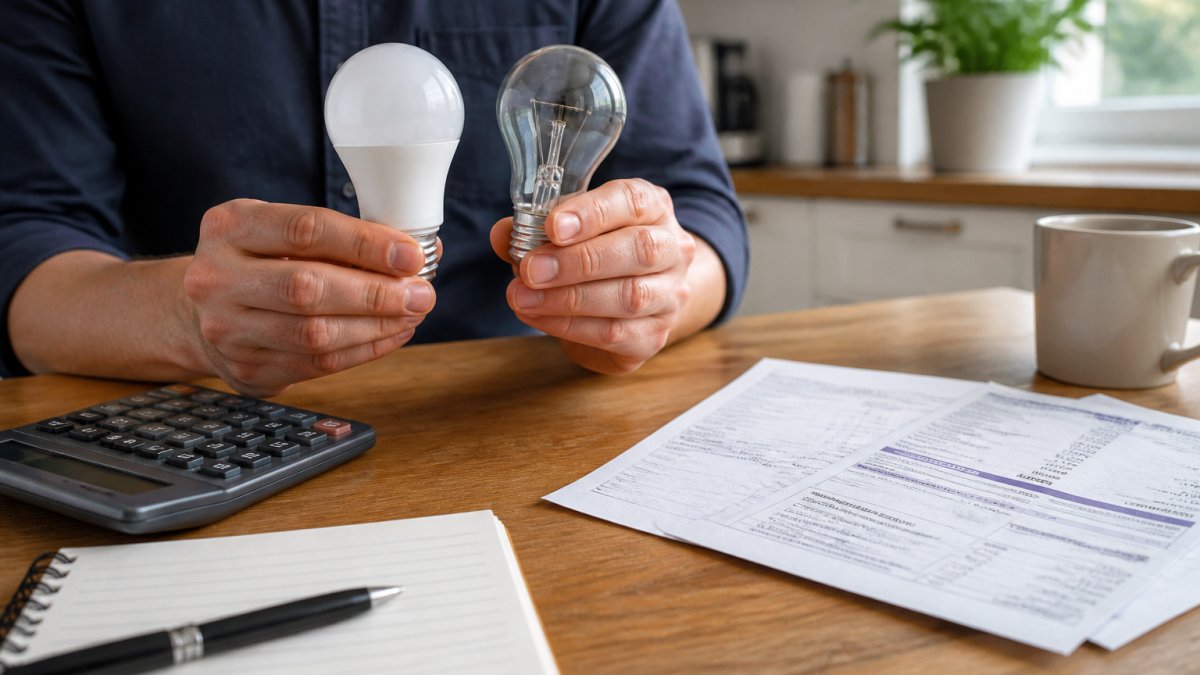
Energy savings translate to cash in your pocket. A household that switches 20 bulbs to LEDs and uses them for an average of four hours daily can expect to significantly reduce lighting costs. For example, if a home spends £200 annually on lighting, substantial savings are possible.
The payback period is typically short. An LED bulb costs more upfront than a traditional bulb, but it lasts so much longer that the total cost of ownership is substantially lower. A bulb that runs for 25,000 hours delivers far better value than replacing a cheaper incandescent every few months.
Extended Lifespan and Reduced Maintenance
One of the most underrated advantages of LED upgrades is simply not having to replace bulbs as often. Traditional incandescent bulbs last around 1,000 hours. Halogen bulbs manage 2,000 to 3,000 hours. LEDs typically last 25,000 to 50,000 hours or more, depending on the quality and type.
What does that mean in practical terms? An LED bulb used for four hours daily will run for 17 to 34 years before it needs replacing. You’ll change your bulbs far less often, which saves both money and the hassle of climbing ladders or calling an electrician for routine maintenance.
Businesses benefit especially from this advantage. A warehouse or retail space with dozens of fittings sees dramatic reductions in maintenance labour and downtime. Fewer bulb failures mean fewer disruptions to operations.
Best Energy Saving Light Bulbs for Home
Choosing the right LED bulbs for your home depends on understanding a few key factors: the fitting type, the brightness you need, the colour temperature you prefer, and whether your existing dimmer switches are compatible.
Choosing the Right Type for Your Needs
Different rooms call for different bulbs. A kitchen or bathroom benefits from brighter, cooler light (around 4000K colour temperature) that supports task lighting and visibility. Living areas typically suit warmer light (around 2700K) that creates a relaxing atmosphere.
For general replacement, look for bulbs rated in lumens rather than watts. A 60-watt incandescent equivalent needs roughly 800 lumens. A 40-watt equivalent needs about 450 lumens. This approach removes the confusion of comparing bulbs with different energy consumption.
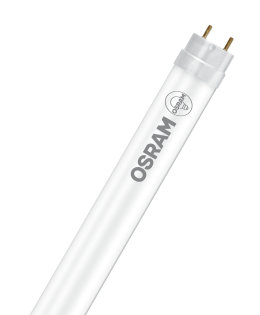
Ledlam stocks a range of LED options suited to different needs. The Osram Dimmable LED GU10 8.3w 2700k at £9.36 offers warm light ideal for accent lighting and domestic applications, with very high colour rendering that keeps colours accurate. For spaces needing stronger illumination, the T8 LED Tube 600mm 10W at £9.99 delivers the brightness of a 20-watt fluorescent tube while using half the power, making it perfect for offices, shops, and garages.


Pro Tip
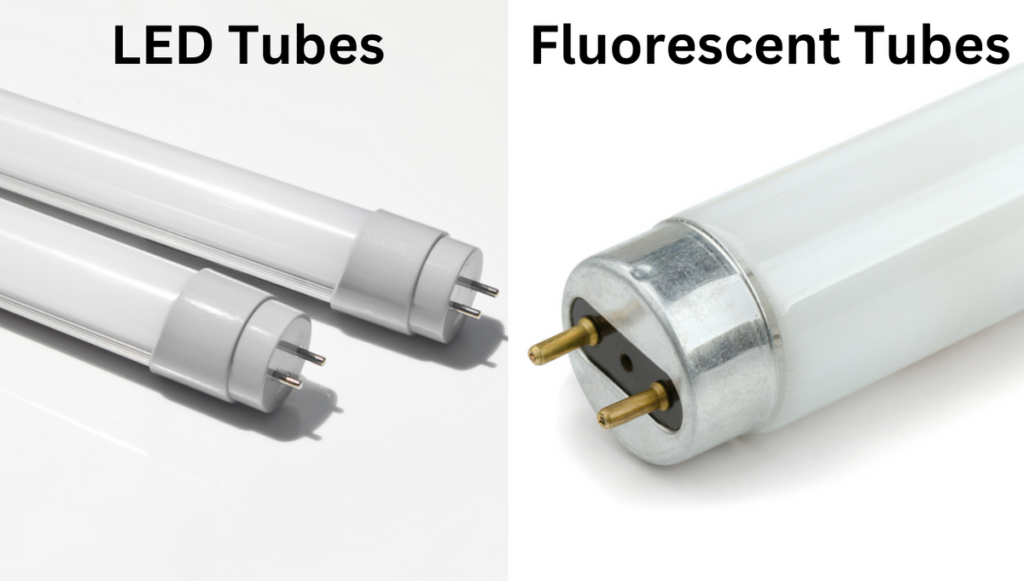
When replacing older T8 fluorescent tubes, check whether your fitting uses a conventional ballast or electronic control gear. Not all LED tubes work with all ballasts. Ledlam offers T8 options that are designed for straightforward replacement in standard fittings.
Simplifying your lighting infrastructure often reveals further opportunities to reduce cable congestion, particularly when integrating cordless lamp options into compact living spaces.
How to Choose the Right LED Bulb Fitting
Your existing light fittings determine which bulbs you can use. Mismatching the fitting type means the bulb simply won’t fit, so getting this right is the first step.
Identifying Your Current Fitting Type
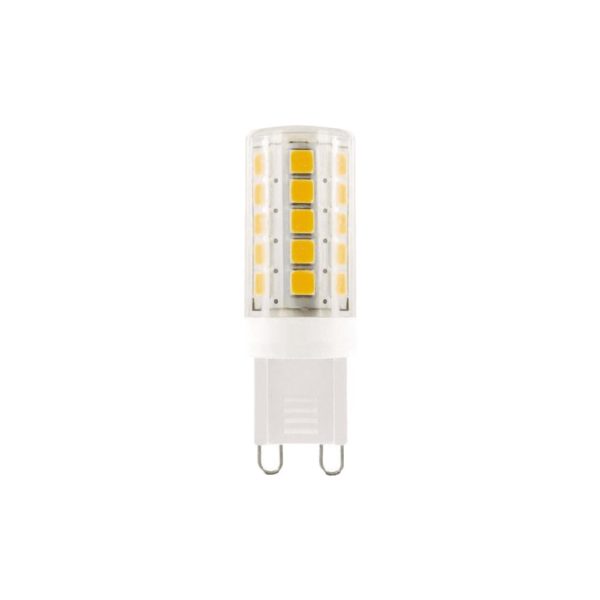
The fitting type is stamped or printed on your existing bulb or on the fitting itself. Common types include:
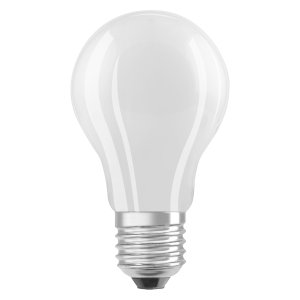
- E27 (Edison screw, large): The standard fitting in most homes. Bayonet fittings (B22) are also common in the UK.
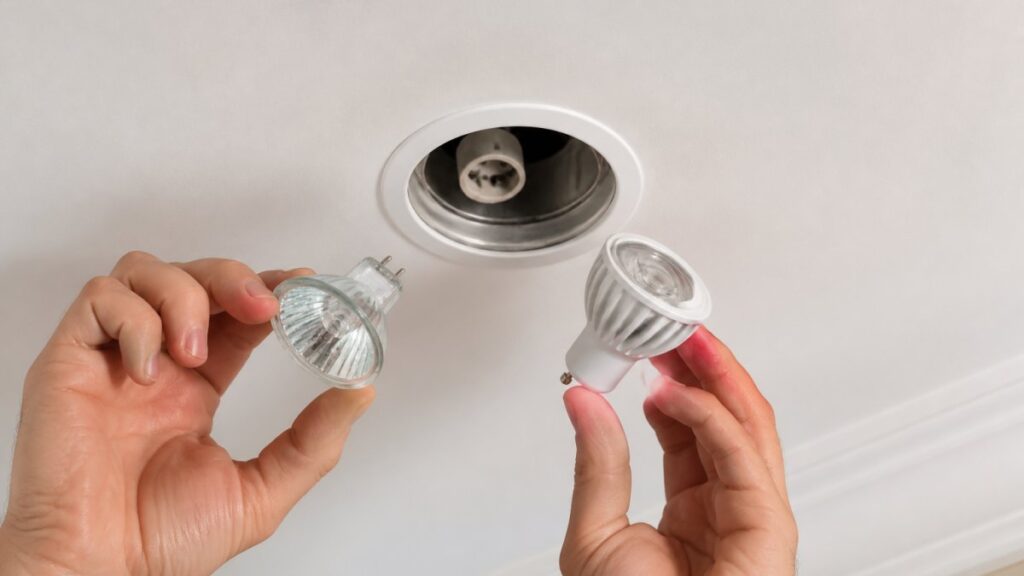
- GU10 (spotlight fitting): Found in downlights and accent lighting.
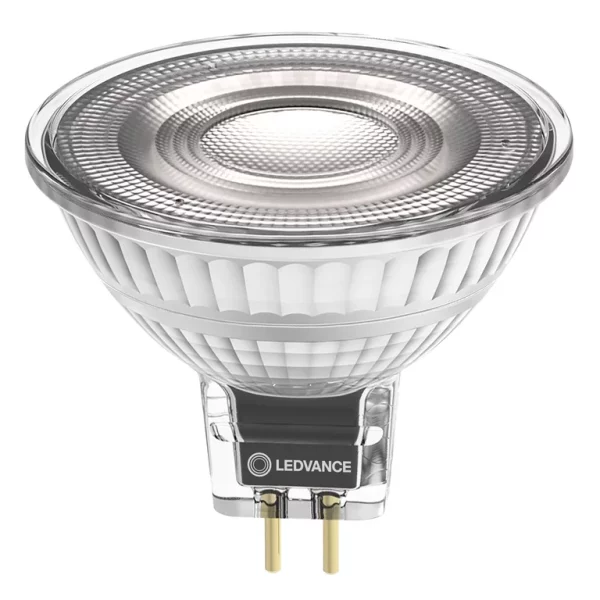
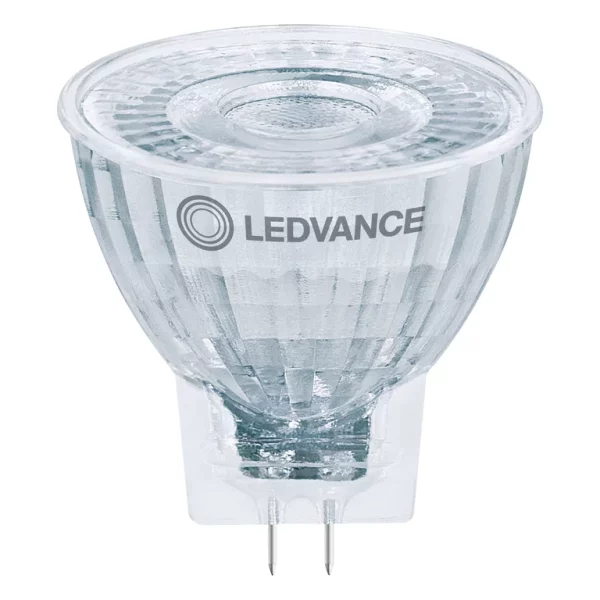
- MR16 (small reflector bulb): Used in low-voltage accent lights.
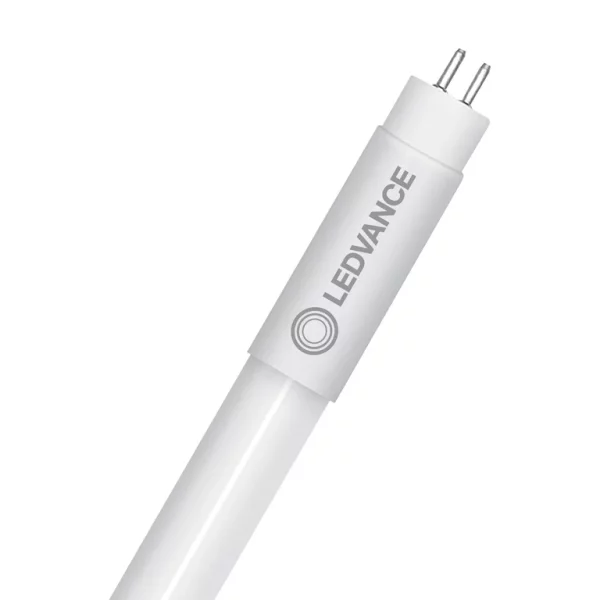
- T8 or T5 (tube fittings): Used in fluorescent tubes, found in offices and commercial spaces.
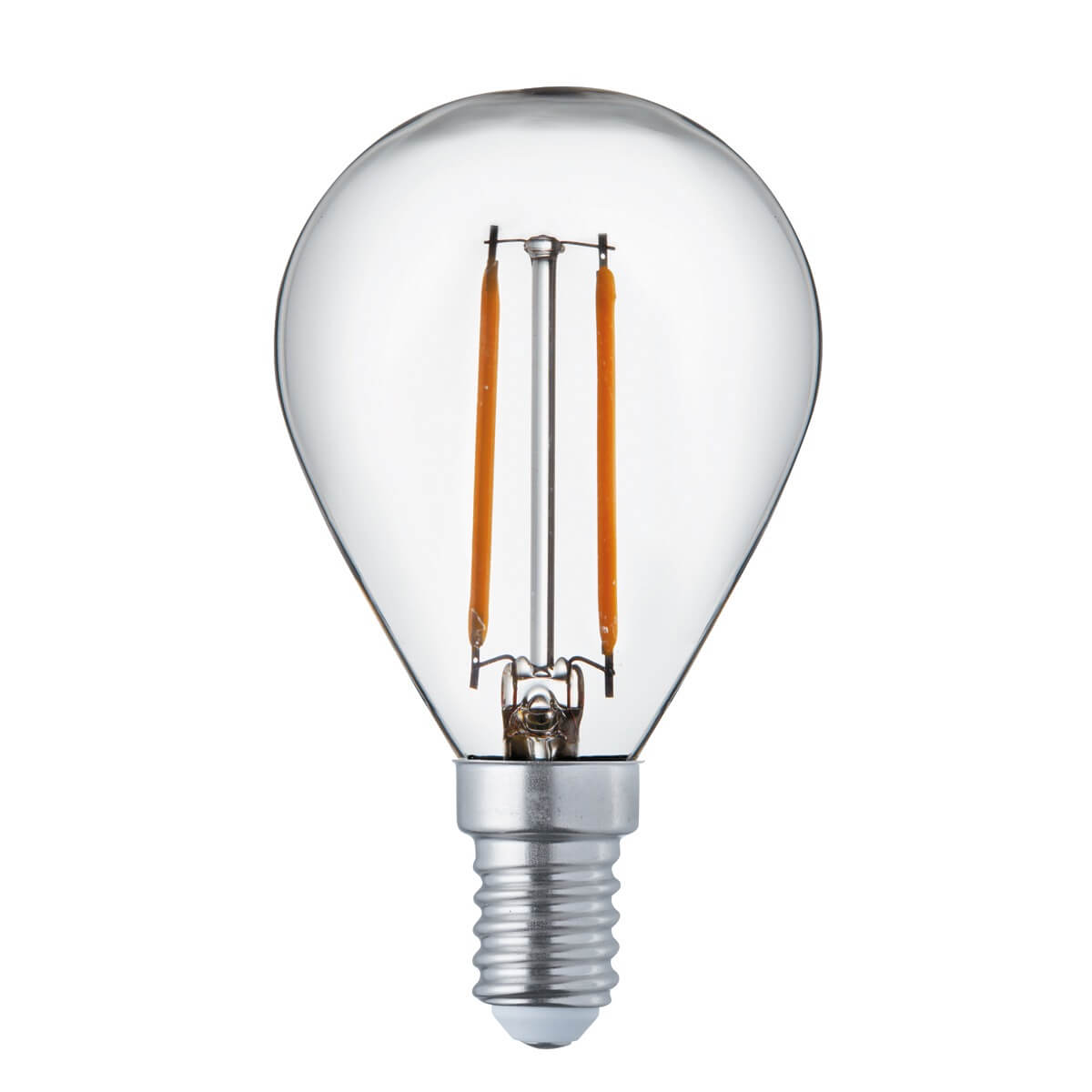
- E14 (small Edison screw): Less common but found in some decorative fittings.
If you’re unsure, take a photo of your existing bulb or fitting and check the base. The fitting type is always marked. Once you know it, you can confidently select LED replacements that fit.
Compatibility with Existing Dimmers
Dimmer switches can be problematic with LEDs. Not all LED bulbs work with all dimmers, and incompatible combinations can cause flickering, buzzing, or the bulb refusing to dim smoothly.
The safest approach is to choose dimmable LED bulbs if your room has a dimmer switch. These are specifically designed to work with standard household dimmers. The Osram Dimmable LED MR16 4.9w 3000k at £8.28 and the Osram 071270 PAR38 15.2W 230V 927 36D Dimmable at £21.36 both offer stepless dimming with very high dimmer compatibility, meaning they work smoothly with most conventional and electronic control systems.
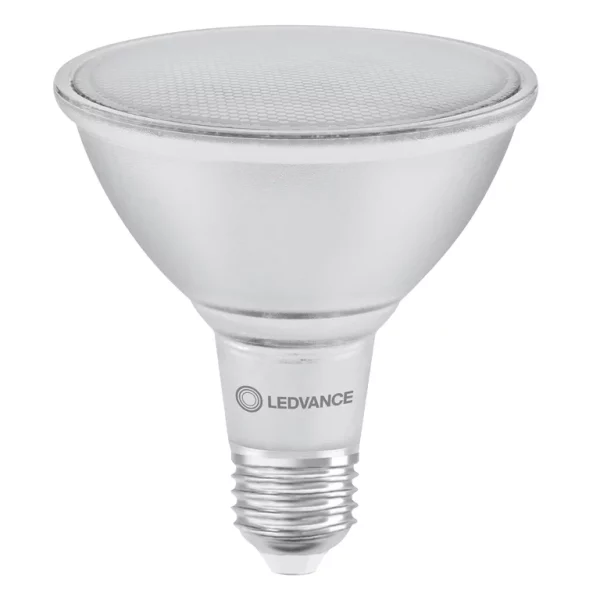
If you’re uncertain whether your dimmer is compatible, consult the product specifications or contact a qualified electrician. Some older dimmers simply aren’t designed for LED technology, and in those cases, replacing the dimmer switch alongside the bulbs may be the best solution.
Watch Out
Never assume an older dimmer will work with LEDs. Incompatibility can cause flickering, buzzing, or premature bulb failure. If dimming is essential, invest in dimmable LED bulbs or upgrade the dimmer switch itself.
Environmental and Health Benefits
LED upgrades reduce your environmental footprint in several ways. Lower energy consumption means reduced demand on the grid and fewer carbon emissions from power generation. LEDs also contain no mercury, unlike fluorescent tubes, so they’re safer to handle and dispose of.
The light quality of modern LEDs has also improved dramatically. Unlike older fluorescent tubes that could cause eye strain or headaches, quality LED bulbs produce steady, flicker-free light that’s easier on your eyes during extended use. This matters especially in workspaces and study areas where people spend hours under the same lighting.
Key Takeaway
LED upgrades deliver environmental benefits through reduced energy use and mercury-free construction, whilst also improving light quality and reducing eye strain compared to older technologies.
Improved Light Quality and Control
Modern LEDs offer colour temperature options that older bulbs couldn’t match. You can choose warm white (2700K) for cosy living spaces, neutral white (4000K) for kitchens and bathrooms, or cool white (5000K) for detailed work areas. This flexibility lets you create the right mood and visibility for each room.
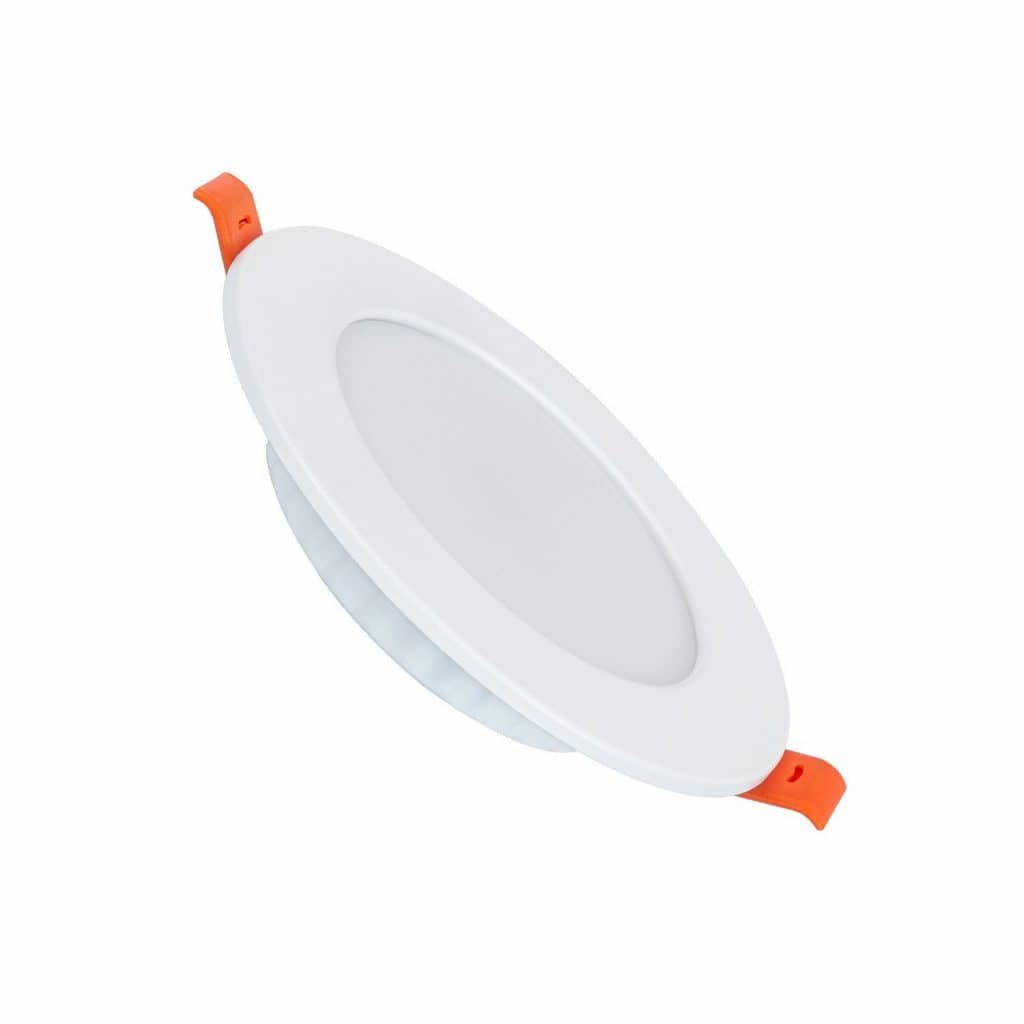
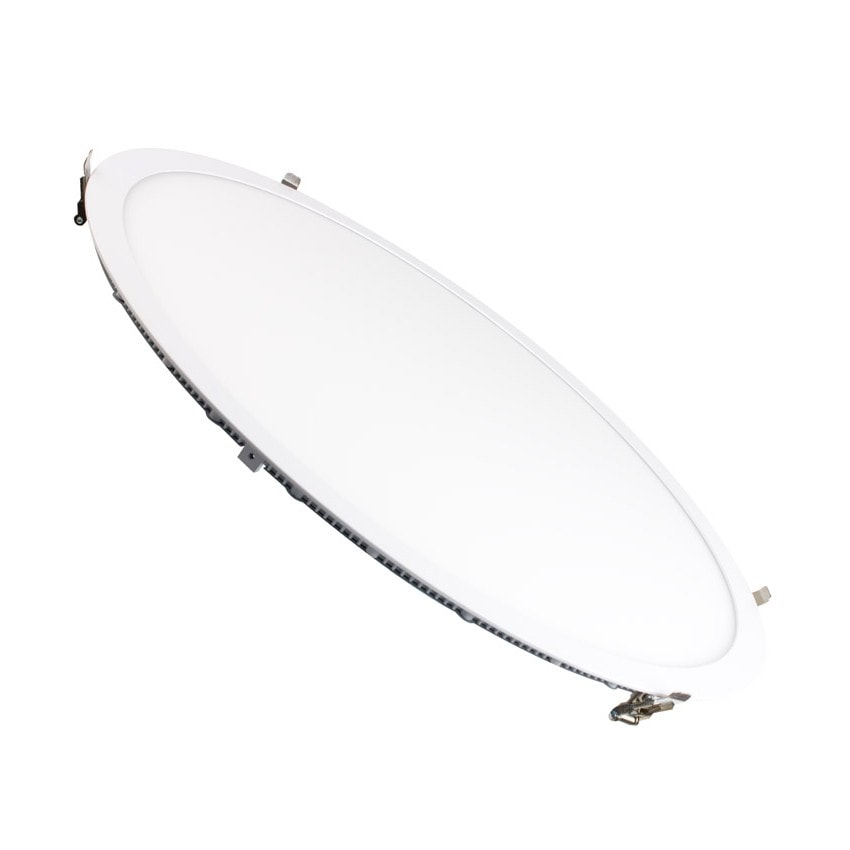
Some LED systems offer even more control. The Round 18W UltraSlim LED Panel with Selectable Colour Temp. (Dimmable) at £23.95 allows you to adjust both brightness and colour temperature using a radio-frequency remote control. You can shift from warm to cool light depending on the time of day or the activity in the room. The thin design fits into tight ceiling spaces.
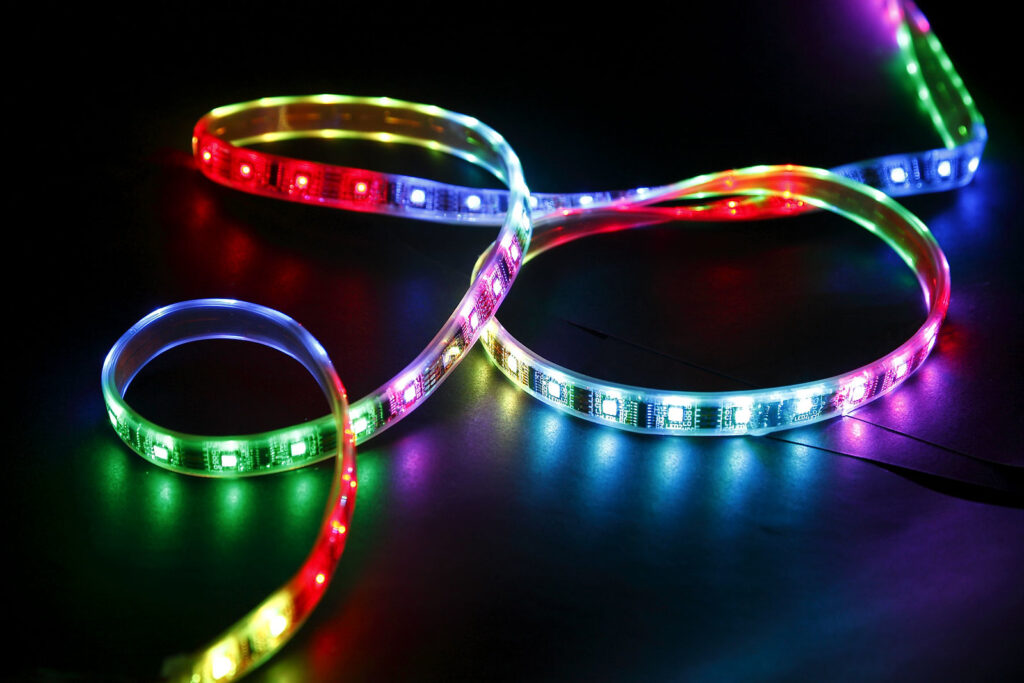
For decorative and accent applications, LED strip lights offer creative possibilities. The 5m LED Strip Light 24V DC, SMD5050, 60LED/m, IP65 at £14.99 can be installed along shelving, under kitchen units, or around architectural features. It’s fully dimmable and lasts 30,000 hours, making it a practical choice for accent lighting that enhances interior design without excessive energy use.
| Advantage | Impact | Benefit |
|---|---|---|
| Energy efficiency | 75-80% lower consumption | Reduced electricity bills |
| Extended lifespan | 25,000-50,000 hours | Fewer replacements, less maintenance |
| Light quality | Flicker-free, adjustable colour | Better visibility, reduced eye strain |
| Environmental | Mercury-free, lower emissions | Safer disposal, smaller carbon footprint |
| Design flexibility | Various fittings and colours | Better control over ambience and function |
Frequently Asked Questions
How much money can I save by switching to LED lighting?
Savings depend on your current bulbs and usage, but LED upgrades typically reduce lighting energy consumption significantly. For example, the Osram T8 LED 600mm uses 69% less energy than the equivalent fluorescent lamp. A household replacing 10 standard bulbs can expect to see reductions in electricity costs, with larger savings in commercial settings or homes with extensive lighting.
Do LED lights last longer than traditional bulbs?
Yes, significantly. Most LED bulbs last 25,000-30,000 hours or more, compared to 1,000 hours for incandescent bulbs and 8,000 hours for halogen. This means fewer replacements and lower maintenance costs. For instance, the T8 LED Tube 600mm has a lifespan 10 times longer than the old 20W fluorescent equivalent it replaces.
Are LED lights safe to use with my existing dimmer switches?
Many modern LED bulbs are dimmable and compatible with standard dimmer switches, but not all. Check the product specifications before buying. Dimmable options like the Osram Dimmable LED GU10 and Osram Dimmable LED MR16 are designed for high dimmer compatibility. If you have older dimmer switches, ask the supplier about compatibility to avoid flickering or premature failure.
What fitting type do I need for my LED upgrade?
Identify your current bulb fitting by checking the base: common types include E27 (screw), GU10 (push-fit), MR16 (pin-based), and T8/T5 (tube). The fitting must match your existing light fixture. Most LED bulbs are direct replacements for their incandescent or halogen equivalents, so if you know what you’re replacing, finding the right LED is straightforward. Ledlam stocks many fitting types to suit most homes and commercial spaces.
LED upgrades advantages are clear and measurable. Lower running costs, longer lifespan, better light quality, and environmental benefits combine to make LED the sensible choice for almost any lighting situation. When you’re ready to upgrade, Ledlam offers many LED bulbs, tubes, panels, and strip lights suited to different fittings and needs. Check out our LED Offers today and find the right products for your home or business.