














Pest Prevention: A Practical Guide for Your Home
Last Updated: October 23, 2026
Quick Summary
Pest prevention is the practice of stopping insects, rodents, and other unwanted creatures from entering and living in your home. It’s far cheaper and easier than dealing with an infestation after it starts. Sealing gaps, removing food sources, and maintaining your home creates an environment where pests simply don’t want to be.
- Mice can squeeze through gaps as small as a pencil width, so sealing entry points is your first line of defence.
- Damp attracts pests like silverfish and cockroaches, so fixing leaks and improving ventilation makes your home less appealing.
- A single mouse can turn into a colony in weeks, so early intervention is far easier than dealing with a full infestation.
- Store dry food in sealed containers, clean up spills immediately, and don’t leave pet food out overnight to remove food sources.
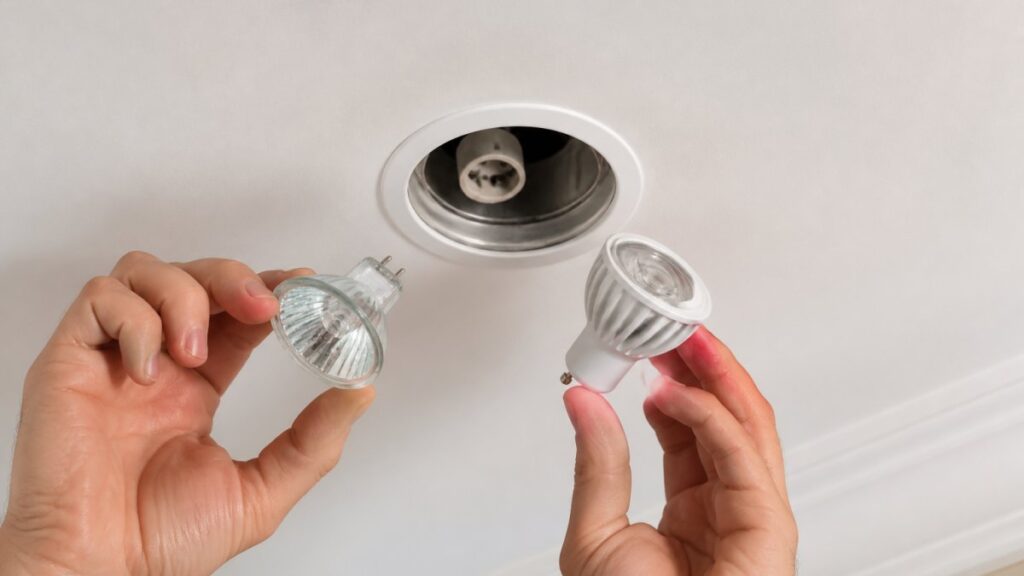
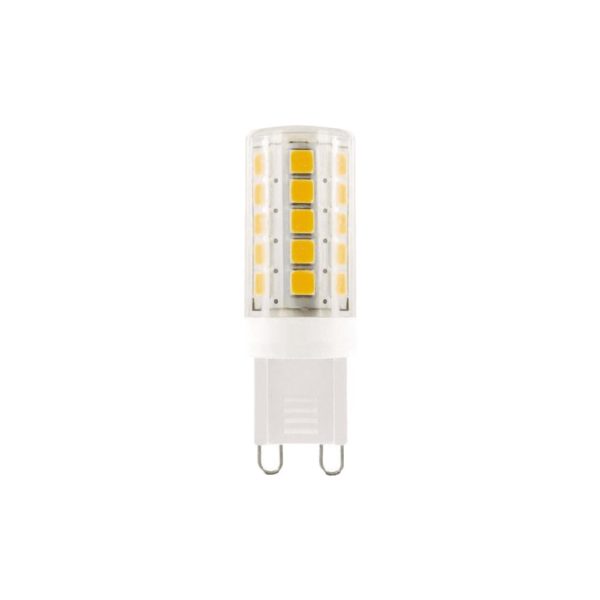
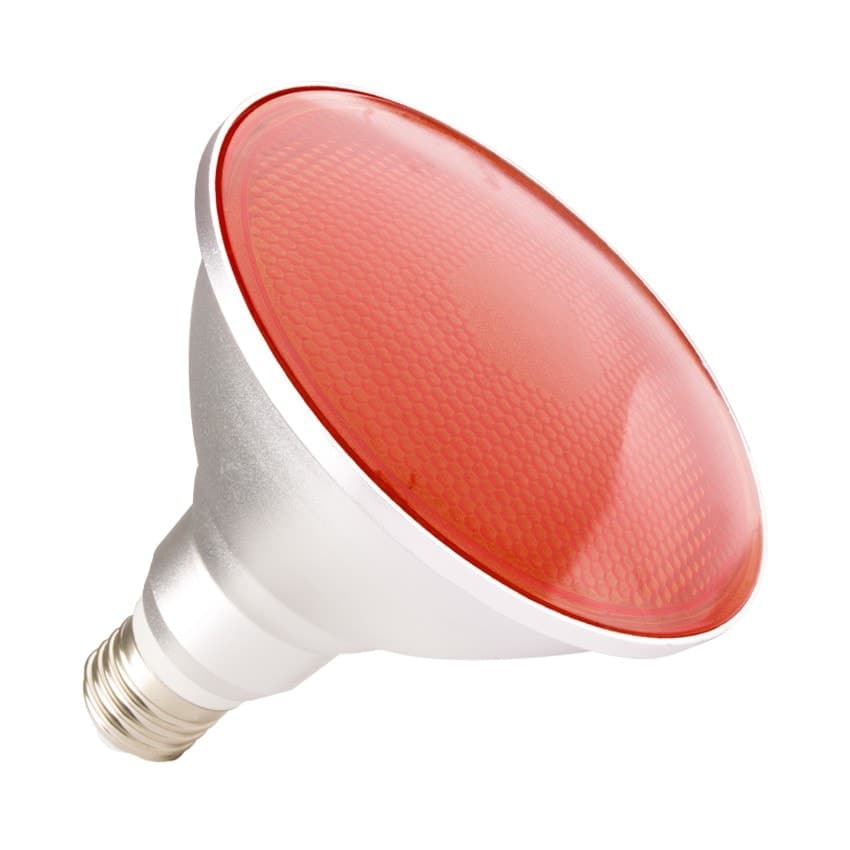
- Warm-toned LED lighting attracts fewer insects than bright white light, so choosing the right bulbs can help reduce pest attraction.
Table of Contents
- Why Pest Prevention Matters for Your Home
- Signs of Pests in the House: What to Look For
- How to Prevent Pests: Essential Steps
- How to Keep Mice Out of Your House
- Pest Control Products That Work
- When to Call a Professional Pest Controller
- Conclusion
- Frequently Asked Questions
Why Pest Prevention Matters for Your Home
Pest prevention is the practice of stopping insects, rodents, and other unwanted creatures from entering and living in your home. It’s far cheaper and easier than dealing with an infestation after it starts. A single mouse can turn into a colony in weeks. One cockroach can signal dozens more hiding nearby.
The real cost isn’t just the pests themselves. It’s the damage they cause. Rodents chew through wiring, creating fire hazards. Insects contaminate food and spread disease. Damp-loving pests like silverfish damage paper and textiles. Once pests settle in, they’re stubborn to remove.
Prevention stops this before it happens. Sealing gaps, removing food sources, and maintaining your home creates an environment where pests simply don’t want to be. This guide from Ledlam covers the practical steps you can take today to protect your home.
Signs of Pests in the House: What to Look For
Spotting early warning signs means you can act before a small problem becomes a big one. Here’s what to watch for:
Droppings and debris
- Small dark pellets near food, in cupboards, or along walls
- Rodent droppings are rice-sized; insect droppings are much smaller
- Piles of sawdust or wood fragments suggest wood-boring insects
Damage to food and packaging
- Gnaw marks on boxes, bags, or food containers
- Half-eaten items or holes in packaging
- Grease marks along walls where rodents run
Unusual smells
- Musty or ammonia-like odours often mean rodents are present
- Stale, sweet smells can indicate dead insects or rodents
Visible trails and marks
- Greasy smudges along skirting boards or walls
- Spider webs in corners (spiders eat other insects, so they signal a food source)
- Tiny footprints in dust or flour
Strange sounds
- Scratching, scurrying, or squeaking in walls or attic spaces
- Clicking or rustling sounds at night
Pest sightings
- Live insects or rodents, even just one
- Dead insects indoors
If you spot any of these signs, act quickly. Early intervention keeps a small problem from becoming a full infestation.
How to Prevent Pests: Essential Steps
Effective pest prevention rests on three pillars: blocking entry points, removing food and shelter, and maintaining conditions that discourage pests. Here’s how to tackle each one.
Seal Entry Points and Gaps
Pests need an opening to get inside. Mice can squeeze through gaps as small as a pencil. Insects need even less space. Sealing these gaps is your first line of defence.
Check these common entry points:
- Gaps around pipes and cables entering your home
- Cracks in walls or foundations
- Spaces under doors and around door frames
- Gaps around windows
- Holes in screens or damaged draught-proofing
- Vents and air bricks (these need protection, not blocking)
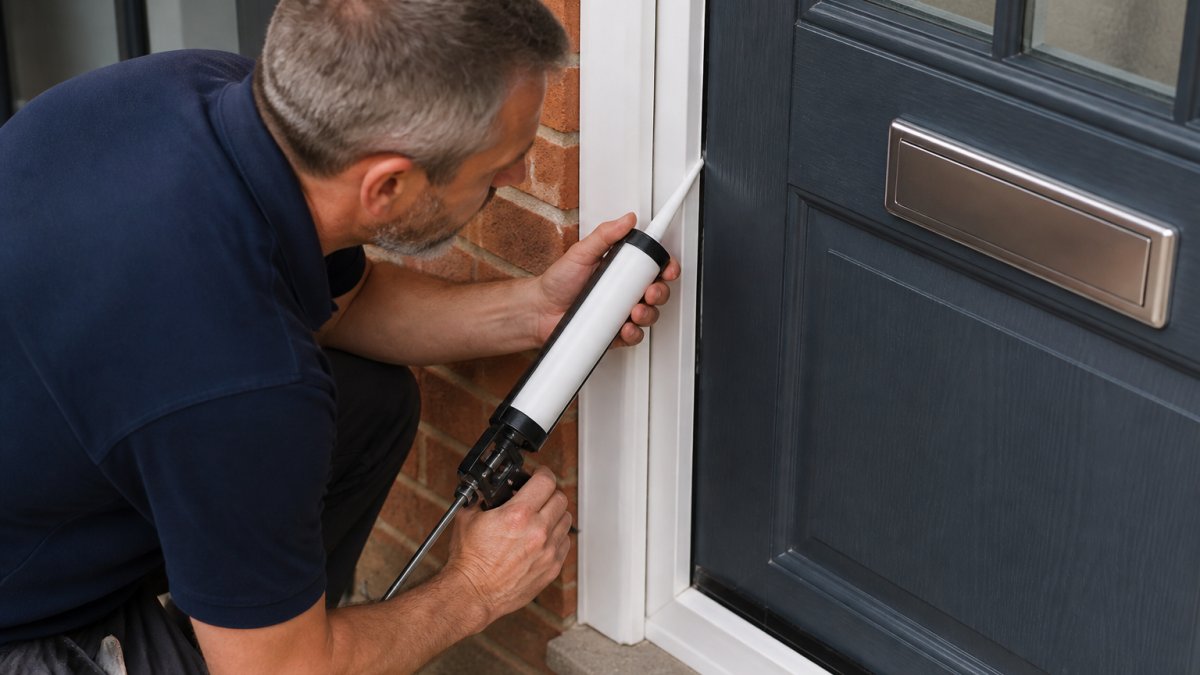
Sealing materials that work:
- Caulk or sealant for small cracks and gaps
- Draught-proofing strips around doors and windows
- Door sweeps to block gaps under doors
- Wire mesh or hardware cloth over vents (allows airflow but blocks pests)
- Expanding foam for larger gaps around pipes Applying these materials with precision ensures you effectively seal pest entry points and maintain a robust barrier against unwanted intruders.
Check your home twice a year. Gaps can reappear as buildings settle or materials wear.
Remove Food Sources and Clutter
Pests come looking for food and shelter. Remove both, and they’ll move somewhere else.
In the kitchen:
- Store dry food in sealed containers, not open boxes or bags
- Clean up spills immediately
- Don’t leave pet food out overnight
- Empty bins regularly and keep lids closed
- Wipe surfaces after cooking and eating
Around your home:
- Declutter cupboards, lofts, and storage areas
- Remove piles of paper, cardboard, and fabric where pests hide
- Store firewood outside, away from the house
- Keep garden waste in sealed bins
Outside:
- Remove standing water (mosquitoes breed in it)
- Keep compost bins away from the house
- Don’t leave food scraps lying around
Pests are opportunistic. Cut off their food supply and they lose interest in your home.
Maintain Proper Ventilation and Drainage
Damp attracts pests. Silverfish, cockroaches, and many insects thrive in moisture. Proper ventilation and drainage make your home less appealing to them.
Reduce moisture:
- Fix leaky pipes and taps promptly
- Ensure gutters and downpipes drain away from your home
- Ventilate bathrooms and kitchens (use extractor fans)
- Keep cupboards under sinks clear so you can spot leaks early
- Use dehumidifiers in damp rooms
Improve air circulation:
- Open windows regularly to let fresh air through
- Don’t block air vents with furniture
- Clear leaves and debris from gutters
A dry home is a pest-resistant home. Maintaining good drainage and ventilation is one of the most overlooked prevention steps.
How to Keep Mice Out of Your House
Mice are among the most common household pests. They’re small, breed quickly, and can cause serious damage. Here’s how to keep them out.
Seal all gaps larger than a pencil width. Mice can squeeze through tiny openings. Pay special attention to:
- Gaps around pipes entering the house
- Holes in walls or skirting boards
- Spaces under doors
Remove food sources. Mice will eat almost anything. Keep food in sealed containers. Clean up crumbs immediately. Don’t leave pet food out overnight.
Eliminate nesting materials. Mice use paper, fabric, and insulation to build nests. Store these items in sealed boxes, not loose piles.
Set traps if needed. If you suspect mice are already inside, snap traps or electronic traps work well. Place them along walls where mice travel. Check them daily.
Use deterrents cautiously. Ultrasonic devices and repellents have mixed results. Traps and sealing are more reliable.
The key is stopping them before they get in. Once inside, mice multiply fast and become harder to remove.
Pest Control Products That Work
Several types of products help with pest prevention and control. We stock a range of pest control essentials designed to help you protect your home.
Traps and baits
Snap traps, electronic traps, and glue traps catch rodents. Ant baits and cockroach baits work by attracting pests to poison they carry back to their colonies. These work best when placed along walls where pests travel.
Sprays and powders
Insect sprays target flying and crawling insects. Ant powders and cockroach powders disrupt pest colonies. Use these in targeted areas, not throughout your home.
Barriers and deterrents
Weatherstripping and door sweeps block entry. Mesh screens protect vents. These prevent pests from entering in the first place.
Moisture control
Dehumidifiers reduce the dampness that attracts pests. Keeping moisture low is one of the most effective prevention tools.
Lighting
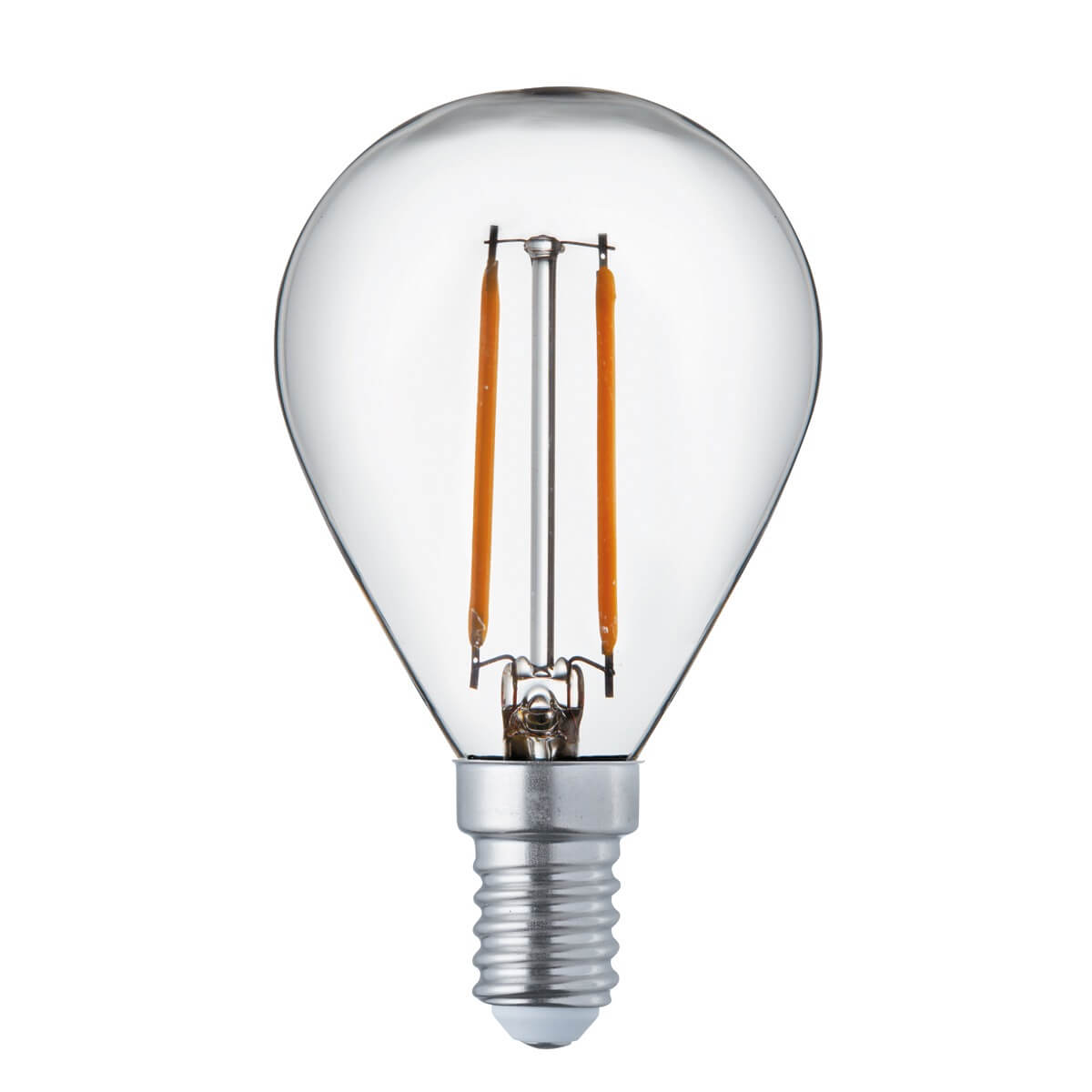
Certain insects are attracted to light. Warm-toned LED lighting (2700K or lower) attracts fewer insects than bright white light. If you’re planning outdoor lighting, choosing warm LEDs can reduce the insects around your home. We stock LED bulbs and outdoor lighting designed to balance visibility with pest prevention.
The most effective approach combines multiple methods. Seal gaps, remove food, maintain drainage, and use products where needed.
When to Call a Professional Pest Controller
Sometimes pest problems need expert help. Call a professional if:
You have a large infestation. If you see many pests or signs of a widespread problem, DIY methods may not be enough.
You’ve tried prevention and it didn’t work. If you’ve sealed gaps and removed food sources but pests persist, a professional can identify what you’ve missed.
You need help identifying the pest. Some pests require specific treatment methods. A professional can tell you exactly what you’re dealing with.
You’re dealing with dangerous pests. Wasps’ nests, for example, should be handled by professionals. Some pest problems pose safety risks.
You want ongoing prevention. Many pest controllers offer regular inspections and treatments to keep infestations from starting.
A professional pest controller can assess your home, identify entry points you’ve missed, and recommend targeted treatments. They’re worth the cost if your own efforts aren’t working.
Conclusion
Pest prevention starts with three simple actions: seal gaps, remove food and clutter, and keep your home dry. These steps stop most pests before they ever get inside.
If you do find signs of pests, act quickly. Early intervention is far easier than dealing with a full infestation. For persistent problems, a professional pest controller can help.
Protecting your home also means maintaining it properly. We supply the tools and products you need to keep your home in good condition, including pest control products and lighting solutions that reduce pest attraction. Browse our pest control products online or visit our Basildon Market shop for expert advice on what works best for your home. Get started today and create an environment where pests simply don’t want to be.
Frequently Asked Questions
What are the most common signs of pests in a home?
Common signs include droppings near food storage or under sinks, gnaw marks on packaging or wood, unusual smells, and small holes in walls or skirting boards. You might also notice dead insects, webs in corners, or hear scratching sounds at night. Early detection makes pest prevention far easier, so check kitchen cupboards, under appliances, and dark corners regularly.
How can I prevent pests without using chemical pesticides?
Start by eliminating their reasons to visit: store food in sealed containers, remove crumbs promptly, and take out rubbish regularly. Seal gaps around pipes, doors, and windows with caulk or draught-proofing. Fix leaky taps to remove water sources. Declutter your home, especially dark areas like under sinks and behind appliances. Good ventilation and dry conditions discourage most pests naturally.
How effective are pest control products from retailers?
Shop-bought pest control products work well for minor infestations caught early. Traps, baits, and sprays are effective when used correctly and in combination with prevention measures. However, they work best as part of a broader strategy that includes sealing entry points and removing food sources. For severe or recurring infestations, professional pest controllers have access to stronger treatments and can identify the root cause.
When should I contact a professional pest controller?
Contact a professional if you see signs of pests that don’t improve after two weeks of your own efforts, if you find multiple entry points or suspect pests in walls or lofts, or if you have a severe infestation. Professionals can identify pest species accurately, locate hidden entry points, and apply targeted treatments. They’re also essential if you have young children or pets, as they know safe application methods.