






















Is Part P Mandatory for DIY Electrical Work in the UK?
Last Updated: November 2, 2026
Quick Summary
Part P is not a ban on DIY electrical work. It applies to everyone, but only notifiable work, such as new circuits, consumer unit replacements and work in special locations, must be notified to building control or certified by a registered competent person. Simple like-for-like replacements are usually non-notifiable and can be done by a homeowner.
- Part P applies to DIY work in the same way it applies to work by a tradesperson.
- Replacing a like-for-like light fitting or socket on an existing circuit is usually non-notifiable.
- Installing a new circuit, such as a shower circuit, is always notifiable.
- Replacing a consumer unit is always notifiable under Part P.
- Notify building control before starting notifiable work, or use a registered competent person.
Table of Contents
- What Part P of the Building Regulations Covers
- Does Part P Apply to DIY Electrical Work?
- DIY Electrical Work Allowed in the UK
- Part P Notifiable Electrical Work
- Getting a Part P Electrical Certificate for Your Work
- What Happens If Unapproved DIY Work Is Already Done
- Sourcing Your Electrical Materials and Next Steps
- Frequently Asked Questions
What Part P of the Building Regulations Covers
Part P is the section of the Building Regulations in England and Wales that deals with electrical safety in dwellings (Electrical safety: Approved Document P). It sets out what work on fixed electrical installations must meet safety standards, and when that work must be notified to building control. Building Regulations 2010 Approved Document P: Electrical safety

Part P applies to fixed electrical installations, not to portable appliances like kettles or lamps. Its purpose is to protect people from electric shock and fire caused by faulty wiring.
Scotland and Northern Ireland have their own building regulations, so the rules described here apply to England and Wales. Check the equivalent rules locally if your property is in either of those nations.
Does Part P Apply to DIY Electrical Work?
Yes, Part P applies to DIY work in the same way it applies to work done by a tradesperson. The rules depend on the type of work, not on who carries it out.
Some work is notifiable, meaning it must be reported to building control or completed by a registered competent person.
The key question is therefore not “am I allowed to do this?” but “does this work need notifying, and if so, how do I make sure it is done properly?”
DIY Electrical Work Allowed in the UK
Many simple electrical jobs in the home are non-notifiable and can usually be done by a homeowner. These typically include:
- Replacing a like-for-like light fitting or ceiling light
- Changing a socket outlet or switch on an existing circuit
- Replacing a lamp holder or bulb holder
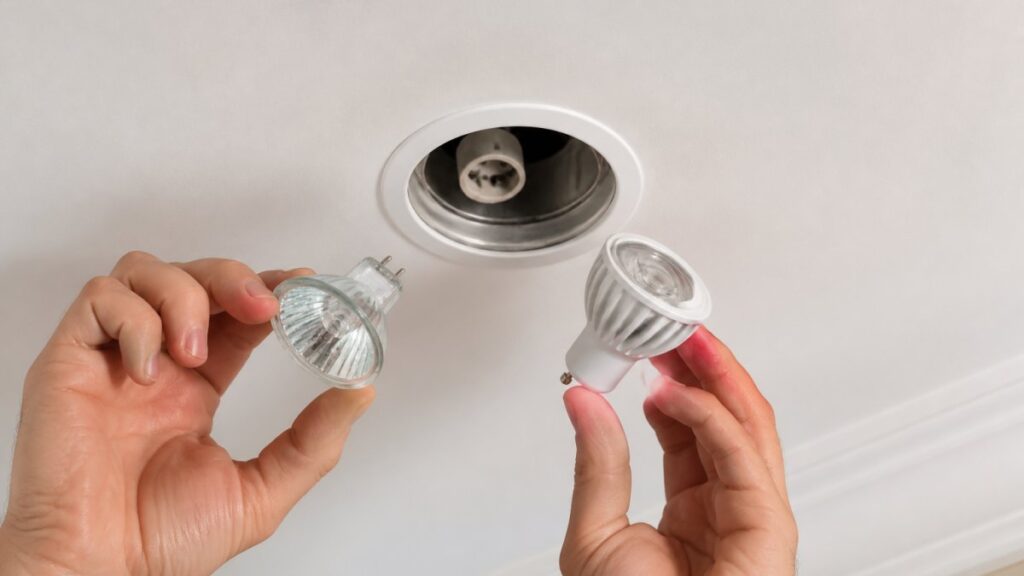
- Swapping a bulb or LED lamp in an existing fitting
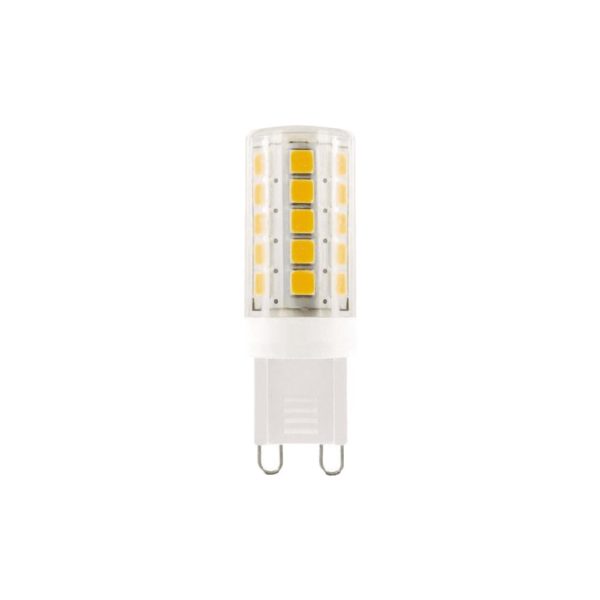
Replacing a like-for-like GU10 holder or a low-voltage lighting driver is generally a simple, non-notifiable job. You can browse a range of GU10 lamp holder sockets at Ledlam, or view low-voltage LED driver transformers if your job involves a DC12V fitting.
Watch out: the boundary between simple replacement and new work is easy to cross. Adding a new circuit or moving a fitting to a new location can turn a simple job into notifiable work.
Before any DIY job, isolate the supply at the consumer unit, confirm the circuit is dead with a suitable tester, and follow the manufacturer’s instructions. Where you are unsure, stop and get advice.
Part P Notifiable Electrical Work
Notifiable work covers larger or higher-risk changes to fixed installations. The distinction matters because notifiable work must either be carried out by a registered competent person who can self-certify it, or be notified to building control before work starts. Competent person schemes and Part P registration
A common pattern is that the following types of work are notifiable in England and Wales:
- Installing a new circuit, such as a dedicated circuit for a shower, cooker or outbuilding
- Replacing a consumer unit or fuse board
- Work in a special location, which includes rooms containing a bath or shower, and certain outdoor locations
- Extending an existing circuit in a way that changes its protection, such as adding sockets to a circuit not designed for the extra load
- Any alteration to the main protective bonding or earthing arrangements
Special locations deserve particular care. The Wiring Regulations treat bathrooms, shower rooms, swimming pools and some outdoor areas as higher-risk because of water and earthed metalwork.
A Task-Based Guide to Common DIY Jobs
Use this as a starting point, not a substitute for confirmation with building control:
- Replacing a ceiling light or pendant: usually non-notifiable if like-for-like on an existing circuit. Adding a new light position on a new circuit is notifiable.
- Changing a socket or switch faceplate: usually non-notifiable if like-for-like. Adding a new socket by extending a circuit may be notifiable depending on the circuit and location.
- Installing a new outside light: often notifiable if it involves a new circuit or work in a special location; check with building control.
- Fitting a bathroom extractor fan: frequently notifiable because it involves work in a special location and may involve a new circuit.
- Replacing a consumer unit: always notifiable.
- Adding a shower circuit: always notifiable.
If work is notifiable, you have two routes: use a registered competent person who can self-certify, or notify building control before work starts. How you choose between these routes depends on your local authority and your circumstances. Confirm the requirements with your building control department before you start.
Watch Out
Do not assume that because a job feels small it is non-notifiable. The boundary between simple replacement and new work is easy to cross, and the consequences of getting it wrong can affect a future house sale or insurance claim.
How to Notify Building Control Before Work Begins
If you plan notifiable work and are not using a registered competent person, notify your local authority building control department before work starts.
- Contact your local authority and ask how to submit a building control application for electrical work.
- Describe the planned work, including the circuits affected and any special locations.
- Submit the application and any drawings or details requested.
- Wait for confirmation before starting the work. Timelines and fees vary by authority, so check with them directly.
- Arrange inspection and testing as the authority requires.
Fees and timescales are set by each local authority, so there is no single figure to quote here. Ask your building control team for current costs and the inspection schedule they require.
Pro Tip
Keep a record of your application reference and any correspondence with building control. If you later sell the property, you may need to show that notifiable work was properly notified and certified.
Getting a Part P Electrical Certificate for Your Work
Once notifiable work is complete, you need evidence that it meets the standards.
An electrical installation certificate is a separate document that records the testing and condition of an installation. It is not the same as Part P compliance.
Keep all certificates safe. They can be needed when you sell or rent out the property, and when you make an insurance claim.
Once notifiable work is finished, the certificate you receive depends on the route you took.
| Document | What it shows | Issued by |
|---|---|---|
| Self-certification certificate | Work meets Part P standards | Registered competent person |
| Building control completion certificate | Notified work has been inspected and approved | Local authority building control |
| Electrical installation certificate | Testing and condition of the installation | Competent person or electrician |
What Happens If Unapproved DIY Work Is Already Done
If notifiable work has been completed without notification or certification, the position is not automatically a crime, but it can cause real problems. The work may not be recorded as compliant, which can affect a house sale, a rental, or an insurance claim after a fire or electrical fault. Solicitors may ask for building control completion certificates or competent person self-certification certificates during a property transaction, and missing certificates can cause delay.
The Regularisation Route
Building control departments have a process for retrospective approval, often called regularisation. The exact procedure varies by local authority, but a typical route is:
- Contact your local authority building control team and explain that notifiable work was carried out without notification.
- Submit a regularisation application. The authority will tell you what information and fees are required.
- Arrange for the work to be inspected. The authority may require parts of the installation to be opened up for inspection, which can mean lifting floorboards or removing plaster.
- Have any remedial work carried out where the installation does not meet the required standard.
- Receive a regularisation certificate if the work is found to comply.
Fees and timescales are set by each local authority, so there is no single figure to quote. Ask your building control team for current costs and expected timelines.
What a Registered Competent Person Can and Cannot Do
A registered competent person can inspect existing work and issue certification where the work is within their scope and they are satisfied it meets the standards. Whether they can certify work they did not carry out depends on their scheme’s rules. If the work is notifiable and was not notified, the regularisation route through building control is usually the correct path. Confirm with the competent person and the local authority what they can offer in your circumstances.
Practical Consequences
- House sale: buyers’ solicitors commonly ask for evidence of compliance for notifiable work. Missing certificates can lead to renegotiation, delays, or a requirement for remedial work.
- Rental: landlords have legal duties to ensure electrical installations are safe. Uncertified notifiable work can complicate compliance and insurance.
- Insurance: after a fire or electrical fault, an insurer may ask for evidence that notifiable work was properly certified. The absence of evidence can affect a claim, depending on the policy terms.
Costs and timelines depend on the scale of the work and the authority, so get a quote from building control and a qualified electrician before deciding. If you are unsure whether work is notifiable, ask building control before starting, it is almost always cheaper and simpler than regularising afterwards.
Key Takeaway
If notifiable work has already been done without approval, do not ignore it. Contact building control to discuss regularisation, and get a qualified electrician to assess the installation. Addressing it early is usually less disruptive than discovering the problem during a sale or after an incident.
Sourcing Your Electrical Materials and Next Steps
Before you start any electrical job, check whether it is notifiable, confirm the requirements with your building control department, and make sure your materials are suitable for the work. Choosing the right components from the start makes compliance much easier.
Ledlam supplies LED lighting, electrical accessories, cables and everyday DIY essentials, both online and from our Basildon Market store. Browse the range online to find the right parts for your job, or visit the Basildon Market shop to speak to someone about your project.
Frequently Asked Questions
Is Part P mandatory for DIY electrical work in England?
Part P of the Building Regulations applies to electrical work in dwellings in England, and it applies to DIY work as well as work by contractors. It does not stop you doing electrical jobs yourself. It requires that work which affects safety in certain locations or involves new circuits is either carried out by a competent person registered with a government-approved scheme, or notified to building control before work begins. Whether a specific job is notifiable depends on its type and location, so check the current guidance from your local authority before you start.
Which DIY electrical jobs need building control notification?
Work that is notifiable under Part P generally includes installing a new circuit, adding or altering circuits in special locations such as bathrooms and outdoor areas, and replacing a consumer unit. Many simple tasks, such as replacing a socket outlet or a light fitting in an ordinary room, are typically non-notifiable. Because the rules depend on the premises and the exact work, confirm the position with your local building control team before starting any job.
Can I get a Part P electrical certificate for my own work?
Yes, if the work is notifiable and you are not registered with a competent person scheme, building control will usually require you to notify the work and have it inspected or tested. Work carried out by a registered electrician can be self-certified through the scheme, which issues a certificate to show compliance. A Part P certificate is not the same as an electrical installation certificate, so ask the person who certifies the work which document they will issue.
What should I do if I have already completed DIY electrical work without approval?
Contact your local building control team as soon as possible to discuss the position. They may ask for the work to be inspected, tested and certified, and in some cases a qualified electrician may need to correct or re-test the installation. Costs and timescales depend on the extent of the work and the local authority, so get the current position from them directly. Be aware that unapproved work can affect house sales, insurance claims and landlord obligations.