












LED Lighting Upgrade Grants: A Practical Guide
Table of Contents
- Do LED Lighting Grants Actually Exist?
- LED Lighting Grants for Businesses and Landlords
- LED Lighting Grants for Homeowners
- How to Apply for an Energy Efficiency Grant
- LED Lighting Upgrade Cost Savings: The Numbers That Matter
- Common Mistakes That Sink Grant Applications
- Conclusion
- Frequently Asked Questions
Last Updated: 18 October 2026
Do LED Lighting Grants Actually Exist?
Yes, but rarely as a standalone “LED grant”. In the UK, funding for LED lighting upgrade grants almost always sits inside a wider energy efficiency scheme, and most schemes are aimed at businesses, landlords and public buildings rather than homeowners. This single fact explains why so many people search for led lighting upgrade grants, find nothing that fits, and give up.
Here at Ledlam, we get asked about this most weeks, usually by a shop owner or landlord who has been quoted for a full re-fit and wants to know who else might pay for it.
The short answer: there is no single national pot of money labelled “LED lighting grant”. What exists is a patchwork of schemes, and eligibility depends on your property, your tenure and your energy use. Always check the current rules on the official government pages before you budget, because schemes open, close and change criteria.
The Difference Between a Grant and a Loan
A grant is money you do not repay. A loan is money you do repay, usually with interest, sometimes at a discounted rate.
This matters more than it sounds. Several schemes marketed as “funding” are actually low-interest loans or financing arrangements. Others are grants but only for specific measures, such as insulation, with lighting included as part of a wider package.
Before you apply for anything, ask one question: do I pay this back? If yes, treat it as borrowing, not free money, and compare it against simply buying the fittings outright.
Watch Out
The most common mistake is assuming a scheme covers lighting on its own. Many energy efficiency programmes fund a package of measures, and lighting is only eligible when bundled with other improvements. Applying for lighting alone often gets rejected.
The most common mistake is assuming a scheme covers lighting on its own. Many energy efficiency programmes fund a package of measures, and lighting is only eligible when bundled with other improvements. Applying for lighting alone often gets rejected.
LED Lighting Grants for Businesses and Landlords
Businesses have the widest access to funding, but almost none of it is a simple cash grant for lamps. The practical routes are:
- Energy company schemes that fund efficiency measures for eligible non-domestic premises
- Local authority business support programmes, which vary enormously by council area
- Sector-specific funding for hospitality, manufacturing or agricultural premises
- Landlord improvement schemes, often tied to meeting minimum energy efficiency standards
A common approach is to start with your local authority’s business support page, then ask your electricity supplier whether they run any efficiency schemes for commercial customers. Neither will hand you a cheque for a lighting re-fit, but both can point you to what is actually open.
For landlords, the driver is usually compliance rather than generosity. If a property falls below the minimum energy efficiency standard for rented homes, funding may be available to help bring it up, and lighting upgrades often form part of that work. The rules here depend on the property and tenancy type, so check the official guidance rather than relying on what a contractor tells you. Integrating these lighting improvements alongside other energy efficiency grants can significantly enhance the overall thermal performance of a building through the installation of heat pump systems.
LED Lighting Grants for Homeowners
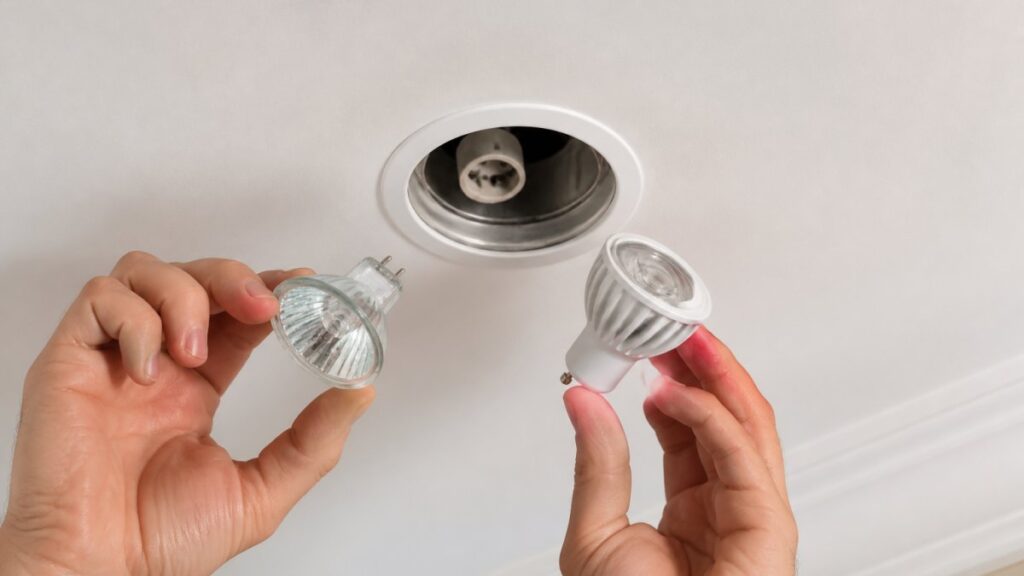
Homeowners have the least direct access to LED funding. There is no general household grant for swapping halogen downlights for LEDs, and anyone promising one is worth a second look.
What does exist tends to be:
- Energy supplier obligations that fund certain efficiency measures for eligible households
- Local authority schemes for residents on specific benefits or low incomes
- Area-based programmes targeting older housing stock
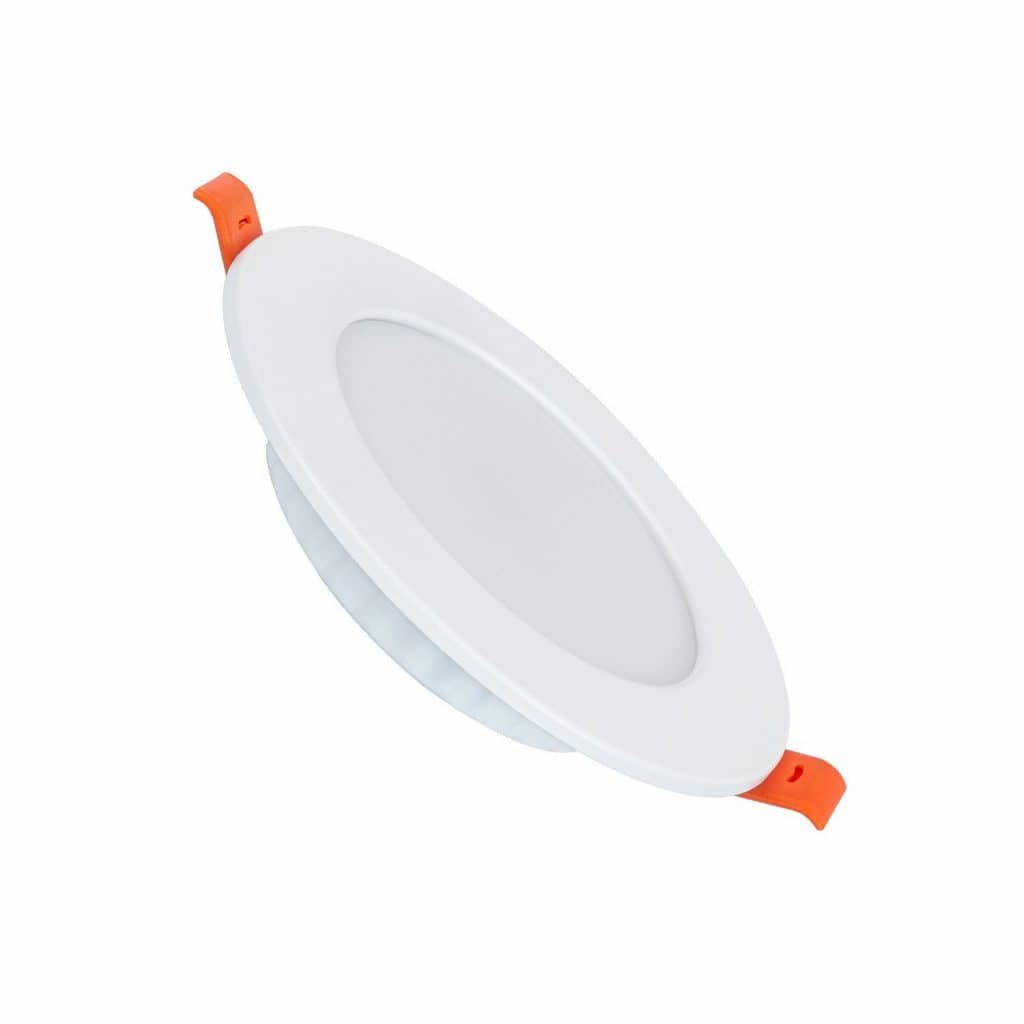
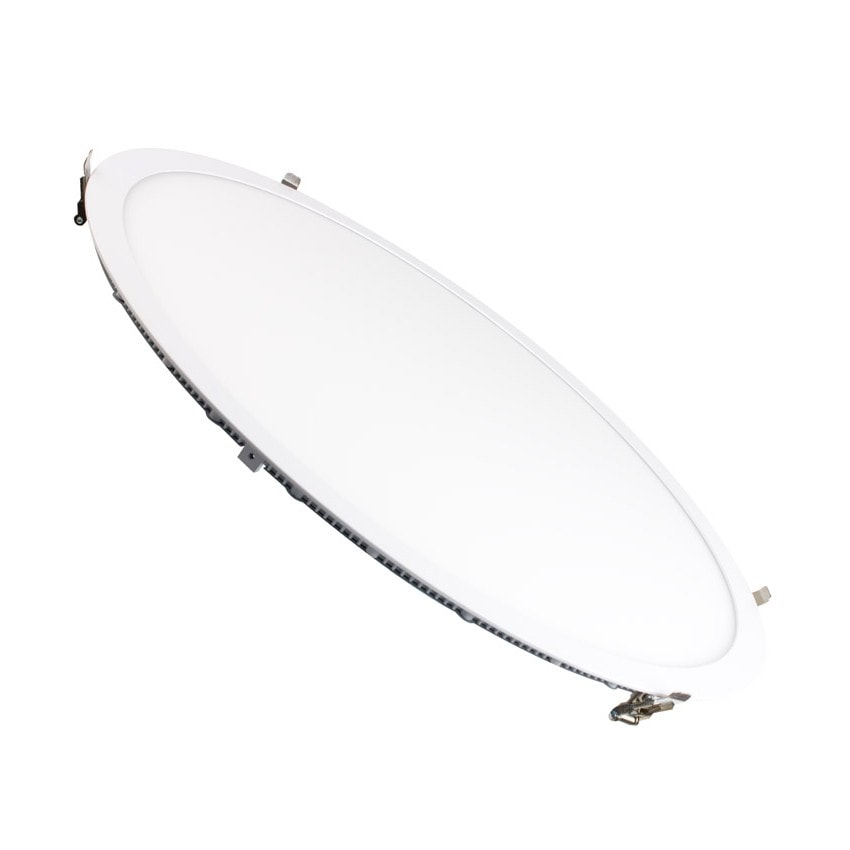
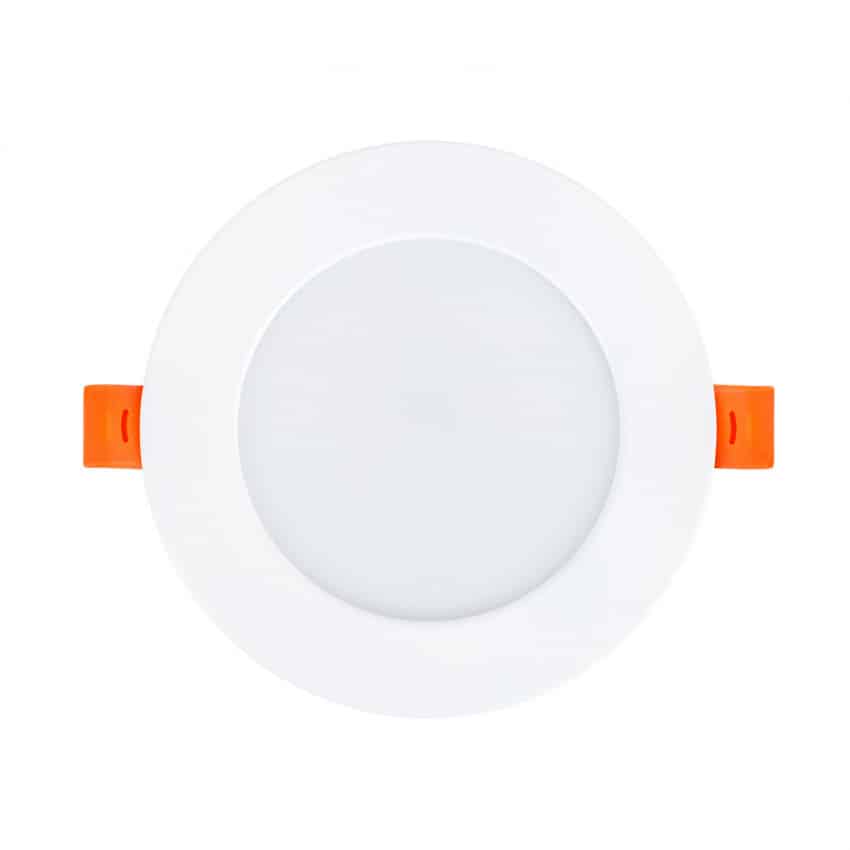
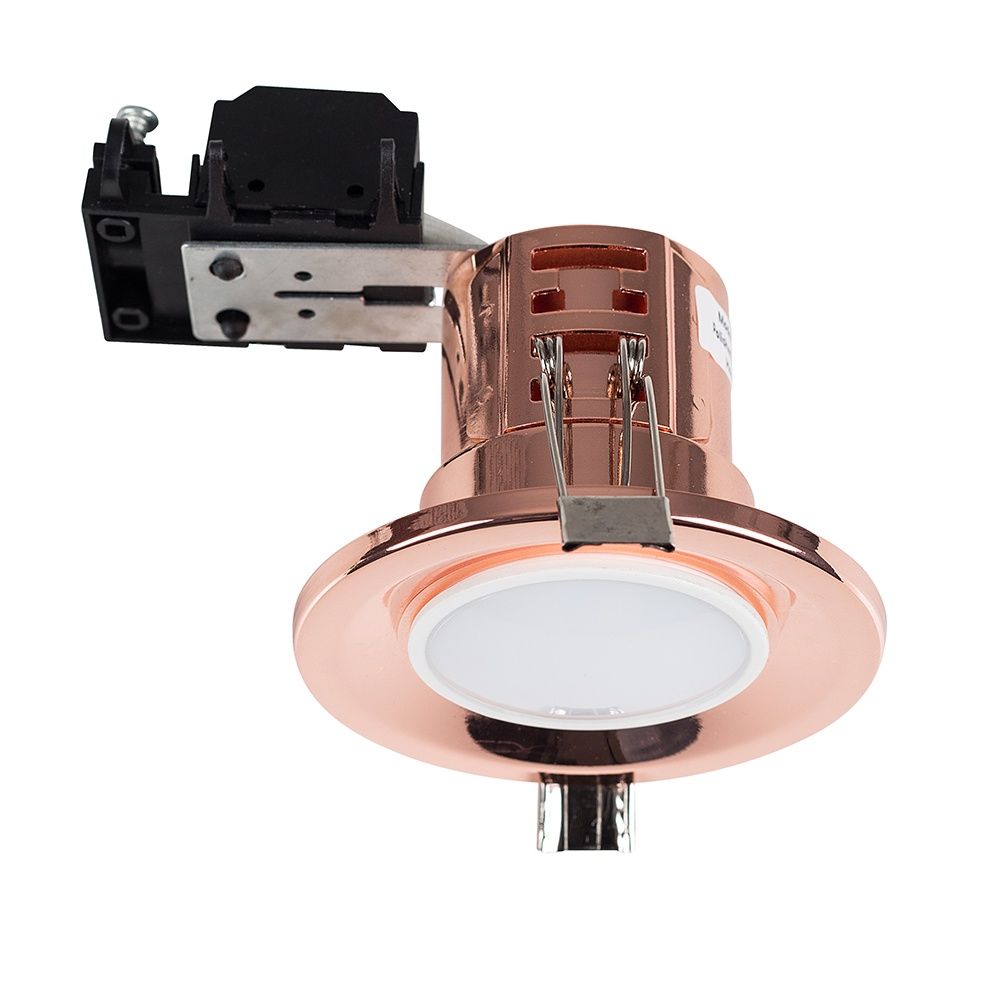
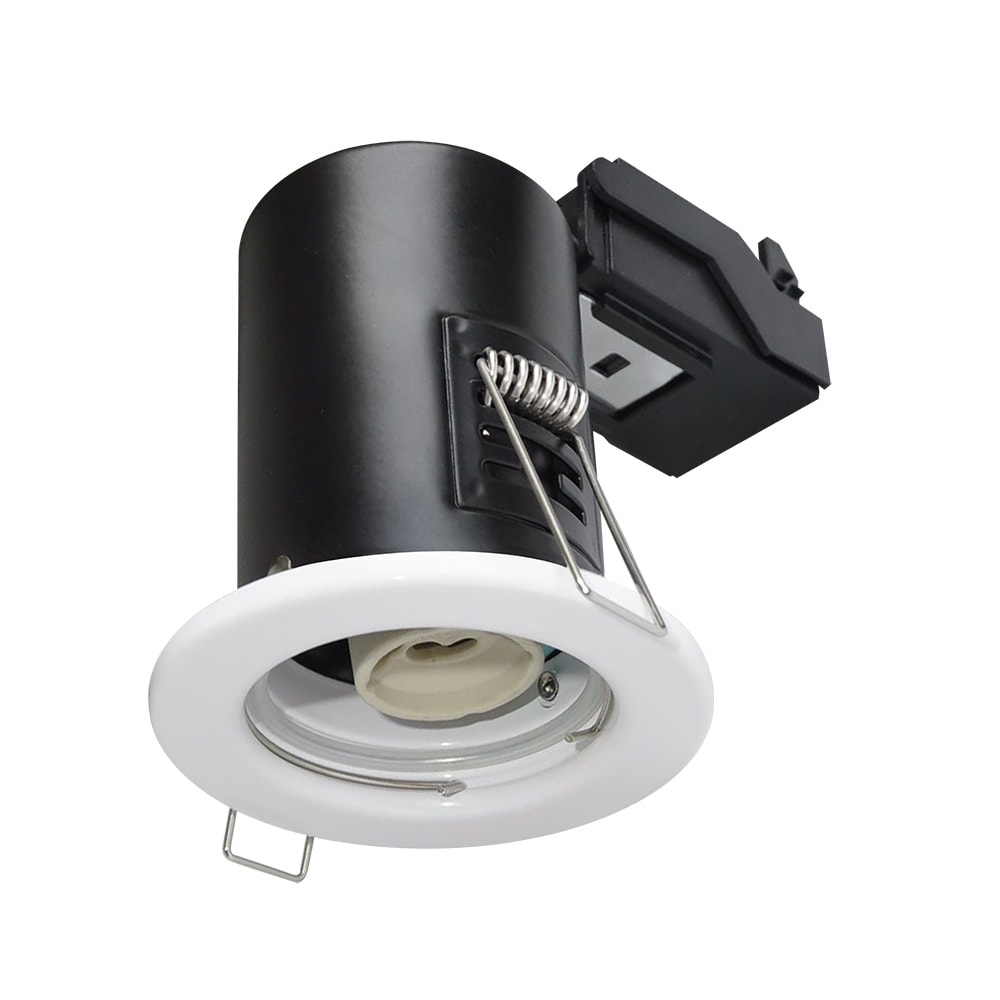
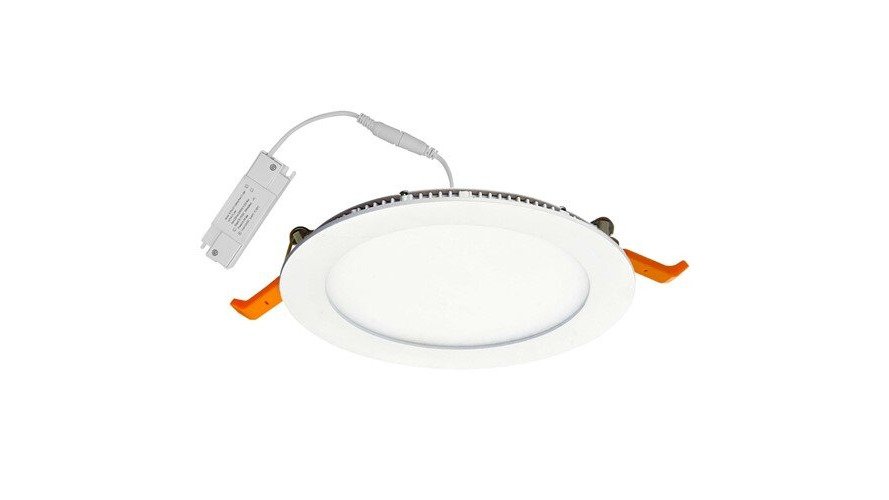
In practice, this means most homeowners will pay for LEDs themselves. The good news is that the payback is usually short enough that a grant is not the deciding factor. A standard 18W slimline downlight with switchable colour temperature costs £16.99 from our range, and replacing an old halogen fitting with one is a straightforward job for a competent DIYer or an electrician.

If you are renting, talk to your landlord first. Tenants rarely qualify for property improvement funding, and any electrical work needs the owner’s agreement.
How to Apply for an Energy Efficiency Grant
Applying is mostly about preparation. The application itself is short; the evidence gathering is not.
Start by confirming which scheme you are applying under and read its eligibility criteria line by line. Then gather everything before you begin, because incomplete applications are the most common reason for delays and refusals.
What You’ll Need Before You Start
- Proof of property ownership or a signed landlord permission letter
- Recent energy bills or an up-to-date Energy Performance Certificate
- A written quote from a qualified installer, itemising the fittings
- Details of the existing lighting, including wattage and fitting type
- Your business details, if applying as a company
- Confirmation that the installer meets the scheme’s accreditation requirements
Two practical tips from the trade. First, get the quote before you apply, not after, because most schemes need a fixed figure. Second, keep the old fittings until the work is signed off, as some schemes ask for evidence of what was replaced.
For guidance on what counts as an eligible improvement, the government’s official energy efficiency guidance is the place to start, and Ofgem’s information for energy consumers explains how supplier-led schemes work.
LED Lighting Upgrade Cost Savings: The Numbers That Matter
Forget percentages in glossy brochures. Work out your own figure.
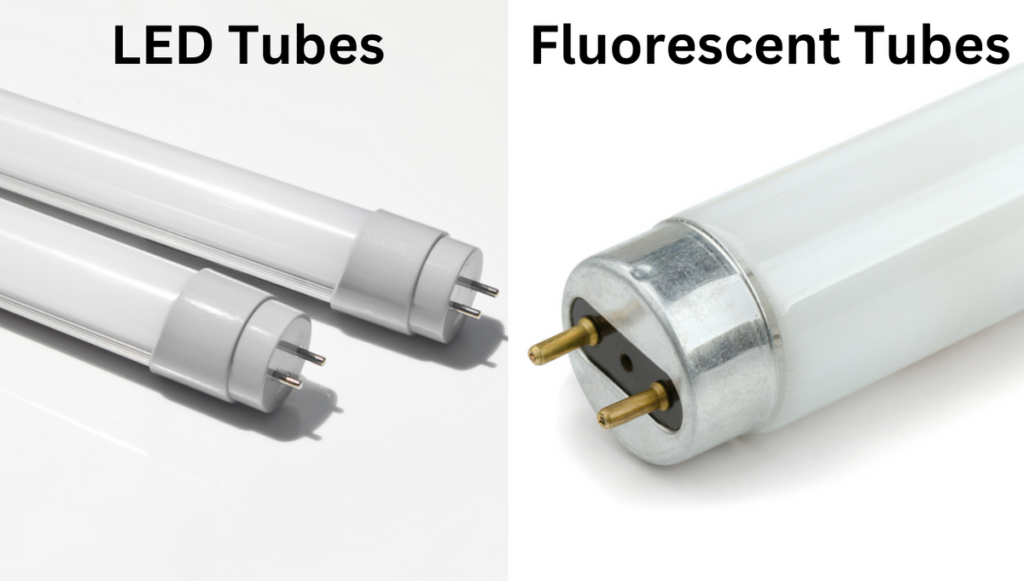
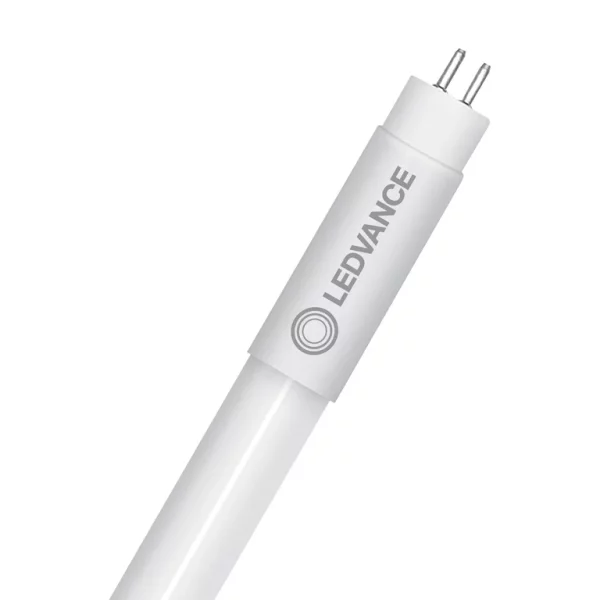
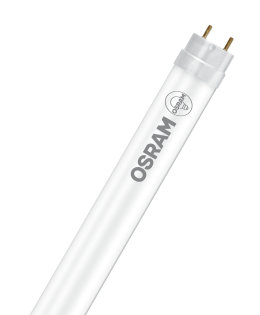
Take a 20W fluorescent tube and swap it for a 10W LED equivalent. Our T8 LED Tube 10W does the same job as the old 20W tube while using half the power, and it costs £9.99. If that tube runs 10 hours a day, you have halved its running cost for the life of the fitting.
The table below shows how to build your own estimate:
| What to measure | Where to find it | Why it matters |
|---|---|---|
| Number of fittings | A walk-round count | Sets your total cost |
| Wattage of each old lamp | Printed on the lamp or fitting | Gives your baseline |
| Wattage of the LED replacement | Product listing | Gives your new figure |
| Hours used per day | Your routine or a timer | Drives annual running cost |
| Unit price of electricity | Your bill, in pence per kWh | Converts watts into pounds |
Multiply the wattage difference by your hours and your unit rate, and you have an annual saving in pounds. Do that across a shop floor or a rental property and the case usually makes itself.
For commercial premises, our Carbon Trust guidance on lighting efficiency sets out how to approach a larger retrofit properly.
Common Mistakes That Sink Grant Applications
The failures are predictable. Here is what goes wrong, and how to avoid it.
Chasing a grant before checking eligibility. Read the criteria first. If you do not qualify, no amount of paperwork will change that.
Applying for lighting alone. Most schemes fund packages. If lighting is only eligible alongside insulation or heating work, plan the whole job.
Using an unaccredited installer. Many schemes require certified installers. Check before you book, not after.
Understating the cost. A quote that leaves out labour or disposal will be rejected or revised, costing you weeks.
Missing the deadline. Funding rounds close. Diarise the date and submit early.
Forgetting the paperwork trail. Keep quotes, invoices and photographs. Audits happen.
Pro Tip
Ask the scheme administrator one question before you apply: “What would make this application ineligible?” Their answer tells you exactly which box to tick carefully.
Ask the scheme administrator one question before you apply: “What would make this application ineligible?” Their answer tells you exactly which box to tick carefully.
Conclusion
The honest position is that LED lighting upgrade grants exist, but they are narrower than most searches suggest, and they reward preparation over optimism. Check eligibility first, gather your evidence, and treat any loan as a loan.
Where no grant applies, the maths still works. Browse our LED lighting range for tubes, downlights and panels at prices that make the payback short, or call into our Basildon Market shop and we will help you match the right fitting to what you already have. Check out our LED Offers today.
Frequently Asked Questions
Are there grants available for LED lighting upgrades?
Funding exists, but rarely as a standalone ‘LED grant’. Most support comes through wider energy efficiency schemes run by local authorities, energy suppliers under the Energy Company Obligation, or business support programmes. Availability changes by region and by scheme cycle, so check your local council’s energy efficiency pages and the GOV.UK energy grants finder. Some schemes cover lighting as part of a broader retrofit, while others fund only insulation or heating. Always confirm what the specific scheme covers before assuming LED lighting grants are included.
Can homeowners get a grant to replace lights with LEDs?
Homeowners can sometimes access support, but it usually depends on eligibility criteria such as household income, benefits received, or the property’s Energy Performance Certificate rating. LED lighting grants for homeowners are rarely offered in isolation. More often, lighting upgrades form part of a larger retrofit package delivered through a council or supplier scheme. If you do not qualify for funded work, the payback on LEDs is still typically short because of the energy saved, so it can be worth proceeding without a grant.
What information is needed to apply for an LED lighting grant?
Most applications ask for proof of address, details of the property or premises, a recent energy bill, and sometimes an Energy Performance Certificate. For businesses, you may need company registration details, a lease or ownership document, and a quote from an installer. Having a simple lighting audit ready, listing current fittings and wattages, speeds up the process and strengthens your case. Check the specific scheme’s checklist first, because missing documents is one of the most common reasons applications stall.
How much can an LED lighting upgrade save?
Savings depend on what you are replacing. A 10W LED tube that replaces a 20W fluorescent tube uses half the power for similar brightness, and LED downlights typically use a fraction of the energy of halogen equivalents. For a small office with 20 fittings, the difference adds up quickly across a year of use. Exact figures depend on your electricity tariff, hours of use, and the fittings installed, so calculate using your own bill rather than relying on generic percentages.