












Light Bulb Adapter Guide: Convert Any Fitting Safely
Table of Contents
- What a Light Bulb Adapter Does and When You Need One
- Bayonet to Screw Bulb Adapter: B22 to E27 Conversions
- E27 to B22 Bulb Adapter: Fitting a Bayonet Bulb in a Screw Socket
- Choosing the Right Light Bulb Socket Adapter for Your Fitting
- Light Bulb Extender: When You Need Extra Reach or Clearance
- Safety, Heat and Load Limits When Using an Adapter
- Common Mistakes to Avoid with Light Bulb Adapters
- Conclusion: Fitting the Right Adapter the First Time
- Frequently Asked Questions
Last Updated: October 5, 2026
What a Light Bulb Adapter Does and When You Need One
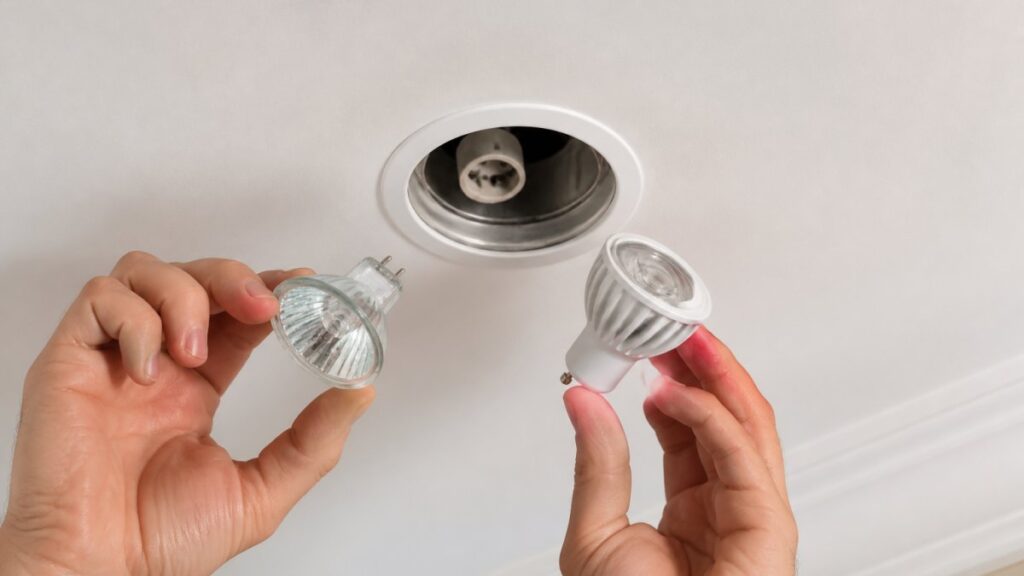
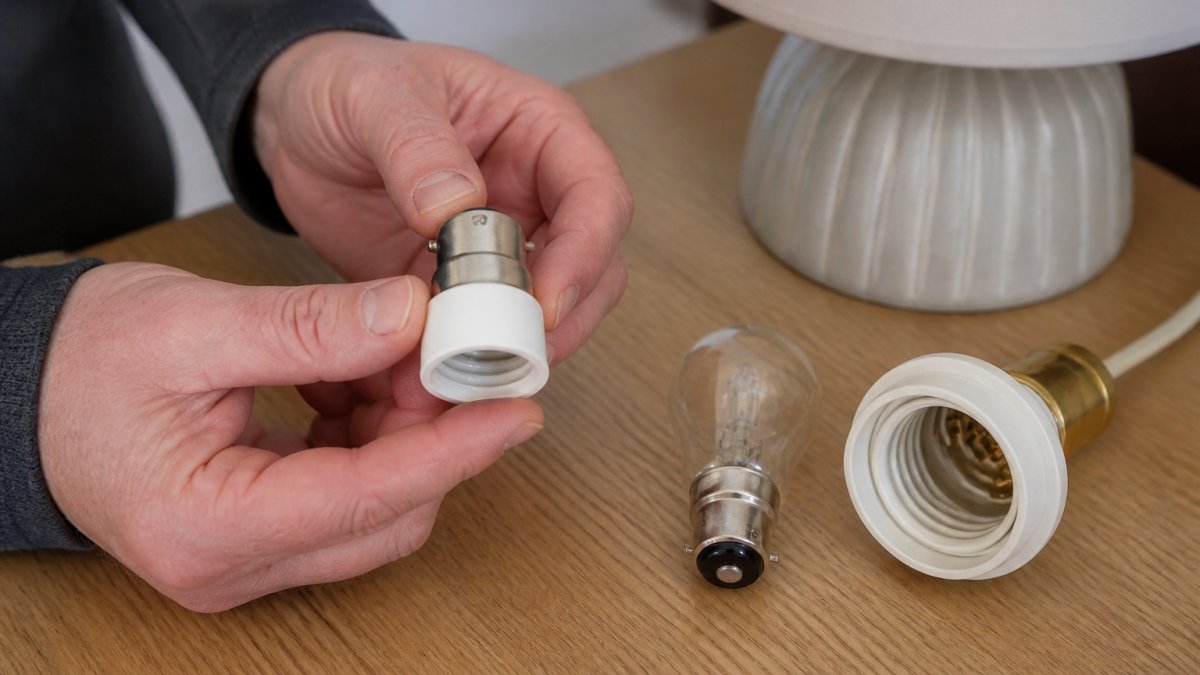
A light bulb adapter is a small converter that lets a bulb with one cap type fit into a socket designed for another. It saves you from rewiring a fitting or replacing a lamp when you already own bulbs that nearly fit. These converters solve a genuinely common problem: you find the right bulb, the right brightness, the right colour, and then discover the cap does not match the socket.
The most frequent case is a bayonet fitting and a screw bulb, or the reverse. Adapters also help when a bulb sits too deep in a shade, or when a socket is awkward to reach.
Here is when an adapter makes sense:
- You have spare bulbs with the wrong cap for one fitting
- You want to use an LED bulb in an older lamp
- A shade or recess needs the bulb to sit lower or higher
- You are swapping fittings gradually and want to keep using existing bulbs
An adapter changes the physical connection only. It does not change voltage, and it does not make a bulb dimmable. Keep that in mind before you buy.
Bayonet to Screw Bulb Adapter: B22 to E27 Conversions
A bayonet to screw bulb adapter converts a B22 bayonet socket into an E27 screw socket. Push it into the bayonet fitting with a gentle twist, then screw your E27 bulb into the adapter. It is the fix for a lamp wired for bayonet caps when the bulb you want only comes in screw fit.
Two things decide whether it works well. First, check the adapter is rated for the bulb’s wattage. Second, check it does not push the bulb so far out that your shade no longer fits.
Most adapters of this type are made for standard household bulbs. They suit table lamps, ceiling pendants and wall lights. They are not a substitute for proper IP-rated fittings in bathrooms or outdoors, where moisture protection matters more than the cap type.
If you are unsure which cap you have, look at the base of the bulb. A bayonet has two small pins sticking out sideways. A screw cap has visible threads.
E27 to B22 Bulb Adapter: Fitting a Bayonet Bulb in a Screw Socket
An E27 to B22 bulb adapter does the opposite job: it lets a bayonet bulb sit in a screw socket. Screw the adapter into the E27 holder until it is snug, then push and twist the B22 bulb into place.
This direction catches people out. Because the bayonet bulb locks with a twist, the adapter must be seated firmly first. If it is loose, the bulb can wobble, and a poor contact can cause flickering or a warm connector.
A few practical checks:
- Hand-tighten only, never force it
- Make sure the bulb sits straight, not at an angle
- Confirm the shade still clears the taller assembly
- Switch off at the wall before fitting anything
Adapters like these are handy when you buy bulbs in bulk for one cap type and want them to work across a mix of fittings. They are a convenience, not a permanent rewiring solution.
Choosing the Right Light Bulb Socket Adapter for Your Fitting
The right light bulb socket adapter matches your socket’s cap type, the bulb’s cap type, and the bulb’s electrical load. Get all three right and it simply works. Get one wrong and you get flicker, a loose fit, or a bulb that will not seat at all.
Matching Cap Types: E14, E27, B22, G9 and GU10
Cap types are named by letter and number. The letter tells you the shape, the number tells you the width in millimetres.
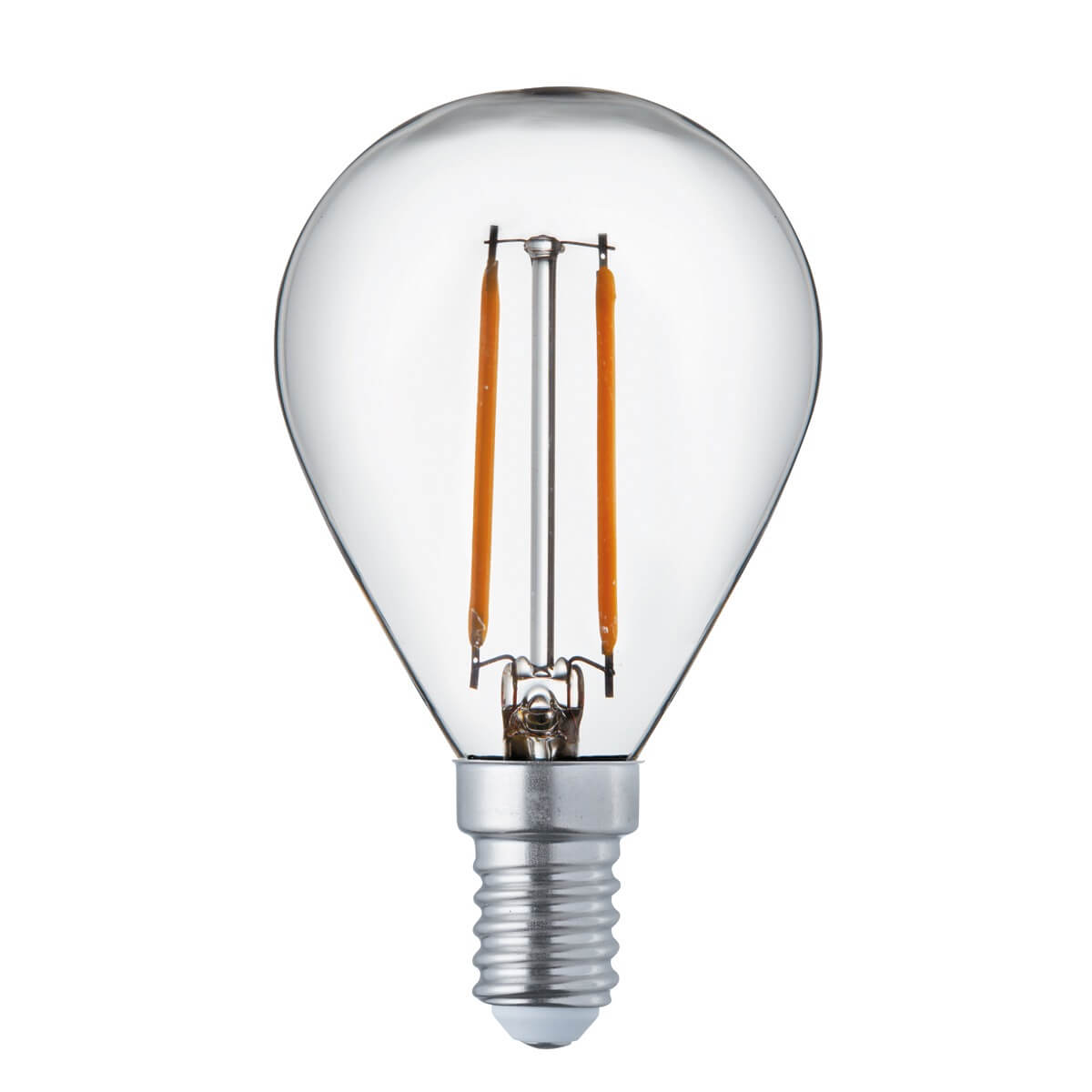
- E14 (SES): small screw, 14mm, common in candle and small decorative bulbs
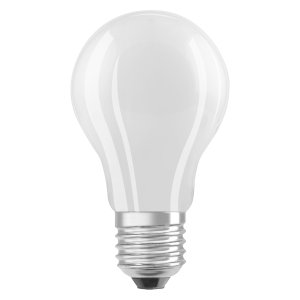
- E27 (ES): standard screw, 27mm, the everyday household screw cap
- B22 (BC): standard bayonet, push and twist
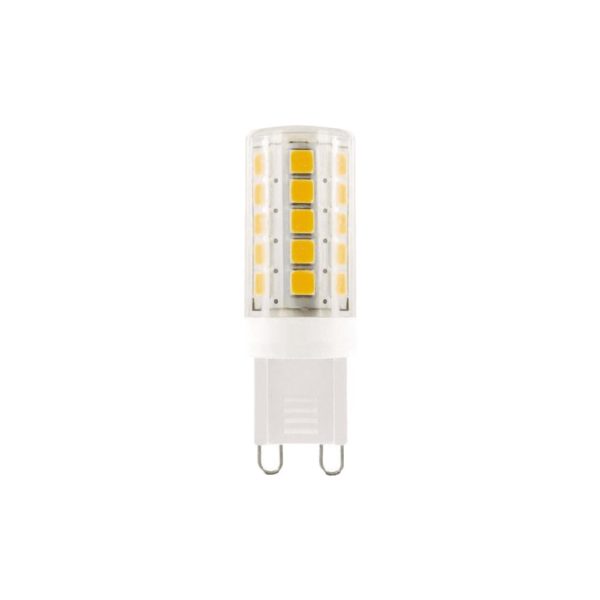
- G9: small pin cap, often used in capsule and display bulbs
- GU10: twin-pin twist-lock, common in spotlights and downlights
We stock converters that bridge several of these. For example, our G9 to Small Edison Screw SES E14 Bulb Adaptor lets you run an E14 bulb in a G9 socket. It is made from metal and heat-resistant PBT plastic, measures 50mm high by 28mm wide, and carries CE certification.

GU10 is the odd one out. It runs on mains voltage and locks with a twist, so GU10 adapters are a different product from screw and bayonet converters. Do not assume a GU10 will fit a screw adapter.
Wattage, Dimming and Voltage Checks Before You Buy
Three checks prevent most problems.
Wattage. Match the adapter’s rating to the bulb. A low-wattage LED draws far less than an old halogen, so most modern LED swaps are well within limits. Never fit a bulb that exceeds the adapter’s stated rating.
Dimming. An adapter does not make a bulb dimmable. If you want dimming, the bulb, the dimmer switch and the adapter all need to be compatible. A dimmer designed for halogen often will not work cleanly with LED, and you may get flicker or buzzing.
G9 To Small Edison Screw SES E14 Bulb Adaptor Lamp Socket Converter Holder →
Voltage. Standard household adapters are for mains voltage fittings. Do not use them to bridge low-voltage systems, such as 12V spotlights with a driver or transformer. Those need a proper low-voltage replacement, not an adapter.
If you are unsure, ask a qualified electrician. Getting this wrong is not worth the risk.
Light Bulb Extender: When You Need Extra Reach or Clearance
A light bulb extender is a short socket that adds length between the fitting and the bulb. It solves two problems: a bulb that sits too deep inside a shade, and a bulb that needs to stand clear of a recessed or enclosed fitting.
Common reasons to use one:
- The bulb is hidden inside a deep shade and throws light the wrong way
- A new LED bulb is shorter than the old one and looks lost
- A decorative bulb needs to sit proud of the holder
- A tight recess makes the bulb hard to reach
Extenders come in fixed lengths, and some are adjustable. Longer is not always better. A very long extender can put weight and strain on the fitting, so keep the run as short as the job allows.
The same rules apply as with any adapter: check the wattage rating, keep it hand-tight, and make sure the bulb still sits straight.
Safety, Heat and Load Limits When Using an Adapter
Adapters are safe when used within their limits, and a poor choice when pushed beyond them. The main risks are heat, load and poor contact.
Heat builds up when a bulb runs hotter than the fitting expects. Enclosed shades and recessed housings trap warmth, so a bulb that is fine in the open can run hot when boxed in. Use LED bulbs where you can, since they run cooler than halogen for the same brightness.
Load matters too. Every adapter has a maximum rating. Exceed it and the connector can overheat.
Watch for these warning signs:
- Discoloured or browned plastic on the adapter
- A warm or hot connector after a few minutes
- Flickering, buzzing or intermittent light
- A loose bulb that will not stay seated
If you see any of these, switch off at the wall and stop using the adapter.
Electrical work in the home is covered by the Building Regulations, and notifiable work should meet the relevant standards (Building regulations approval: When you need approval). If a fitting runs hot, a circuit keeps tripping, or you are unsure about a load, bring in a registered electrician. Adapters are a convenience for compatible, low-load swaps, not a way to bypass a fitting that needs proper attention.
Watch Out
Never leave an adapter in a fitting that shows scorch marks or a melted socket. That is a sign of overheating, and continuing to use it risks a fire. Have the fitting checked by a qualified electrician.
Common Mistakes to Avoid with Light Bulb Adapters
Most adapter problems come down to a handful of repeated errors. Avoid these and the fitting usually works first time.
- Mixing up voltage systems. Screw and bayonet adapters are for mains fittings. Do not use them on 12V systems.
- Ignoring the wattage rating. A cheap adapter pushed past its limit will overheat.
- Assuming dimming will just work. Dimming needs a compatible bulb and dimmer.
- Forcing a tight fit. If it will not seat with gentle pressure, the cap type is probably wrong.
- Leaving it loose. A wobbling bulb means poor contact and possible flicker.
- Using an adapter outdoors or in a bathroom. Damp areas need proper IP-rated fittings, not a converter.
- Forgetting clearance. A taller assembly may not fit under the shade.
Pro Tip
Before buying, take a photo of the socket and the bulb base side by side. The cap type is written on most bulb bases, and matching the photo to a listing takes seconds. It saves a return trip.
Conclusion: Fitting the Right Adapter the First Time
The right adapter comes down to three things: matching cap types, staying within the wattage rating, and checking clearance before you commit. Get those right and a small converter turns a mismatched bulb into a working light in seconds.
If you would rather not guess, our team can help you match the socket to the bulb. Browse our adaptor and converter range to find the right fit, or get in touch and we will point you to the correct part. Check out our LED Offers today and get the right adapter the first time.
Frequently Asked Questions
How do I know which light bulb adapter I need?
Check two things: the cap on your existing socket and the cap on the bulb you want to strain. For example, a G9 to E14 adapter lets you run a small Edison screw bulb in a G9 socket. Look at the fitting label or the old bulb’s base, then match the male end to your socket and the female end to your new bulb. If you are unsure, measure the cap diameter and ask before ordering.
Are light bulb socket adapters safe to strain?
A well-made adapter that carries CE marking and meets European electrical regulations is safe when straind within its rated wattage and in a dry, suitable location. Heat builds up if you exceed the rating or enclose the adapter in a tight fitting. Check the adapter’s maximum load, keep within it, and have a qualified electrician assess anything that runs hot, flickers or sits in a bathroom or outdoor fitting.
Can a light bulb adapter convert a bayonet fitting to a screw fitting?
Yes. A bayonet to screw bulb adapter (B22 to E27) pushes into a bayonet socket and gives you a screw thread, while an E27 to B22 bulb adapter does the reverse. These are the two most common conversions in UK homes. Choose the direction that matches your socket first, then your bulb, and check the adapter’s wattage rating before fitting.
Do light bulb adapters affect brightness or wattage?
An adapter passes current through to the bulb, so it does not change brightness on its own. What matters is the adapter’s maximum wattage rating and the bulb you fit. A low-rated adapter with a high-wattage bulb can overheat. For LED bulbs, which draw far less power than halogen, most adapters cope easily, but always stay within the stated limit.