












Flicker Free LED Bulbs for Living Rooms: A 2026 Guide
Table of Contents
- Why Flicker Free LED Bulbs Matter in Your Living Room
- Understanding LED Bulb Flicker and How to Test for It
- LED Bulb Colour Temperature: Choosing the Right Warmth for Living Spaces
- LED Bulb Lumens Guide: How Much Light Your Living Room Actually Needs
- Dimmable LED Bulbs: Flexibility Without the Flicker
- Flicker Free LED Bulbs We Recommend for Living Rooms
- Making Your Final Choice
- Frequently Asked Questions
Last Updated: October 8, 2026
Why Flicker Free LED Bulbs Matter in Your Living Room
Flicker in LED lighting happens when the bulb’s light output fluctuates rapidly, often imperceptibly to the naked eye, but detectable to your brain and eyes. This invisible flickering can cause eye strain, headaches, and fatigue, particularly in spaces where you spend hours relaxing or working.
The problem intensifies with cheaper LED bulbs. Poor driver circuitry in budget options creates visible or near-visible flicker that ruins the calm atmosphere you want at home. When you’re sitting on the sofa in the evening, your eyes are more sensitive to flicker than during the day. A quality flicker free LED bulb eliminates this problem entirely, delivering steady light that feels natural and doesn’t fatigue your vision.

Understanding what makes a bulb truly flicker-free, and how to choose the right one for your room, ensures you invest in lighting that actually improves your home environment.
Pro Tip
Flicker becomes more noticeable in dimly lit rooms and at lower brightness settings. If you use dimmer switches, choosing a dimmable flicker free LED bulb is essential, not all LED bulbs work reliably on older dimmer switches.
Flicker becomes more noticeable in dimly lit rooms and at lower brightness settings. If you use dimmer switches, choosing a dimmable flicker free LED bulb is essential, not all LED bulbs work reliably on older dimmer switches.
Understanding LED Bulb Flicker and How to Test for It
LED bulb flicker occurs because LEDs don’t produce light continuously like incandescent bulbs. Instead, they switch on and off at high frequency, controlled by a driver circuit.

The flicker rate matters. Most quality LED bulbs flicker at 3,000 Hz or higher, which your eye cannot detect. Budget bulbs often flicker at 100 Hz or lower, causing noticeable strobing effects and visual discomfort. Flicker free LED bulbs use advanced driver circuits that maintain constant light output, eliminating this problem.
Testing for flicker is straightforward. Use your smartphone camera to film the bulb at close range. If you see bands or waves moving across the screen, the bulb is flickering. A truly flicker free LED bulb will show a steady, unchanging image.
Another practical test: sit under the bulb for 20 minutes while reading. If you experience eye strain, headaches, or fatigue, the bulb likely has noticeable flicker. Quality flicker free LED bulbs feel effortless, your eyes don’t tire, and the light feels natural.
Watch Out
Avoid testing flicker by looking directly at the LED chip itself. The human eye can struggle to detect very high-frequency flicker (above 3,000 Hz) even when it’s present. The smartphone camera method is more reliable because cameras capture individual frames that reveal flicker invisible to your eye.
Avoid testing flicker by looking directly at the LED chip itself. The human eye can struggle to detect very high-frequency flicker (above 3,000 Hz) even when it’s present. The smartphone camera method is more reliable because cameras capture individual frames that reveal flicker invisible to your eye.
LED Bulb Colour Temperature: Choosing the Right Warmth for Living Spaces
Colour temperature, measured in Kelvin (K), defines whether light feels warm or cool. For living rooms, the right colour temperature creates the atmosphere you want and supports your comfort.
Warm white (2,700K to 3,000K) mimics traditional incandescent bulbs and creates a cosy, relaxing environment. This is the standard choice for living rooms, bedrooms, and anywhere you want to unwind.
Neutral white (4,000K to 4,100K) sits between warm and cool.
Cool white (5,000K and above) feels bright and alert, more suited to kitchens, bathrooms, and workspaces. Most people find cool white uncomfortable for extended relaxation in living areas.
For living rooms, choose 2,700K or 3,000K unless you have a specific reason to prefer brighter light. The warmer tone creates the ambient quality that makes a living room feel inviting.
The colour temperature of flicker free LED bulbs remains consistent whether the bulb is at full brightness or dimmed. Cheaper bulbs sometimes shift colour temperature when dimmed, which creates an odd, unpleasant effect.
LED Bulb Lumens Guide: How Much Light Your Living Room Actually Needs
Lumens measure the total amount of light a bulb produces. More lumens means brighter light, but brightness needs vary by room size, ceiling height, and how you use the space.
For accent lighting (wall lights, table lamps): 200-400 lumens is typically sufficient. These fixtures create mood and supplementary light, not primary illumination.
For general living room lighting (ceiling fixtures, floor lamps): 800-1,200 lumens works well for most rooms. This provides comfortable visibility without being overly bright.
For larger living rooms or spaces with high ceilings: 1,200-1,600 lumens may be needed to avoid dark corners.
A practical rule: if you’re replacing an old incandescent or halogen bulb, the LED equivalent will use a fraction of the power.
Don’t assume brighter is better. Overlighting a living room creates glare and an uncomfortable, clinical atmosphere. Choose lumens that match your room size and intended use. You can always add additional fixtures if one bulb isn’t enough.
Key Takeaway
The key to comfortable living room lighting is matching lumens to your room size and then choosing dimmable flicker free LED bulbs so you can adjust brightness to suit the time of day and your mood.
The key to comfortable living room lighting is matching lumens to your room size and then choosing dimmable flicker free LED bulbs so you can adjust brightness to suit the time of day and your mood.
Dimmable LED Bulbs: Flexibility Without the Flicker
Dimmable LED bulbs offer flexibility that fixed-brightness bulbs cannot match. You can lower the light in the evening to create a relaxing atmosphere, then brighten it for activities like reading or entertaining.
Not all LED bulbs work with dimmer switches. Standard LED bulbs on older dimmer switches often flicker, fail to dim smoothly, or don’t dim at all. Dimmable flicker free LED bulbs are specifically engineered to work reliably with dimmer switches, delivering smooth dimming without flicker or colour shifts.
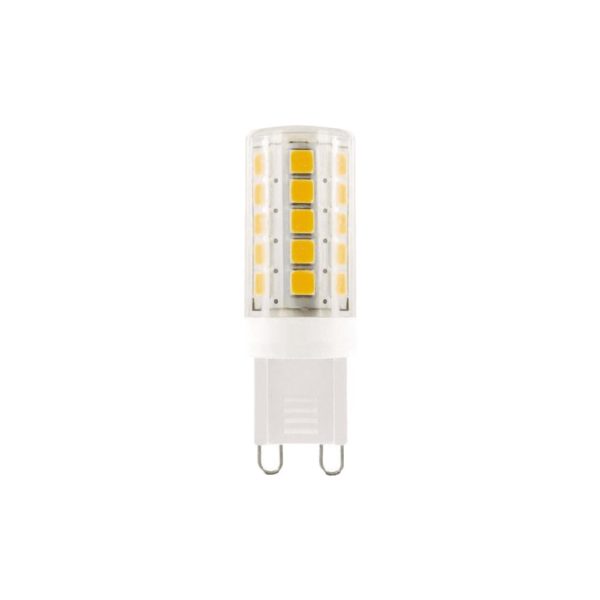
Capsule G9 LED Bulb 2W 220CP →
When choosing a dimmable bulb, check compatibility with your dimmer type. Modern leading-edge and trailing-edge dimmers work with most quality dimmable LEDs. Older rotary dimmers or thyristor-based dimmers may have compatibility issues.
The advantage of dimmable flicker free LED bulbs is that they maintain flicker-free operation across the entire dimming range. As you lower the brightness, the light remains steady and comfortable.
For living rooms with dimmer switches, investing in quality dimmable flicker free LED bulbs is essential.
Flicker Free LED Bulbs We Recommend for Living Rooms
We’ve selected bulbs across different fittings and brightness levels to cover the most common living room lighting setups. Each is genuinely flicker-free, meaning they use stable driver circuits that eliminate the eye strain and fatigue associated with cheaper alternatives.
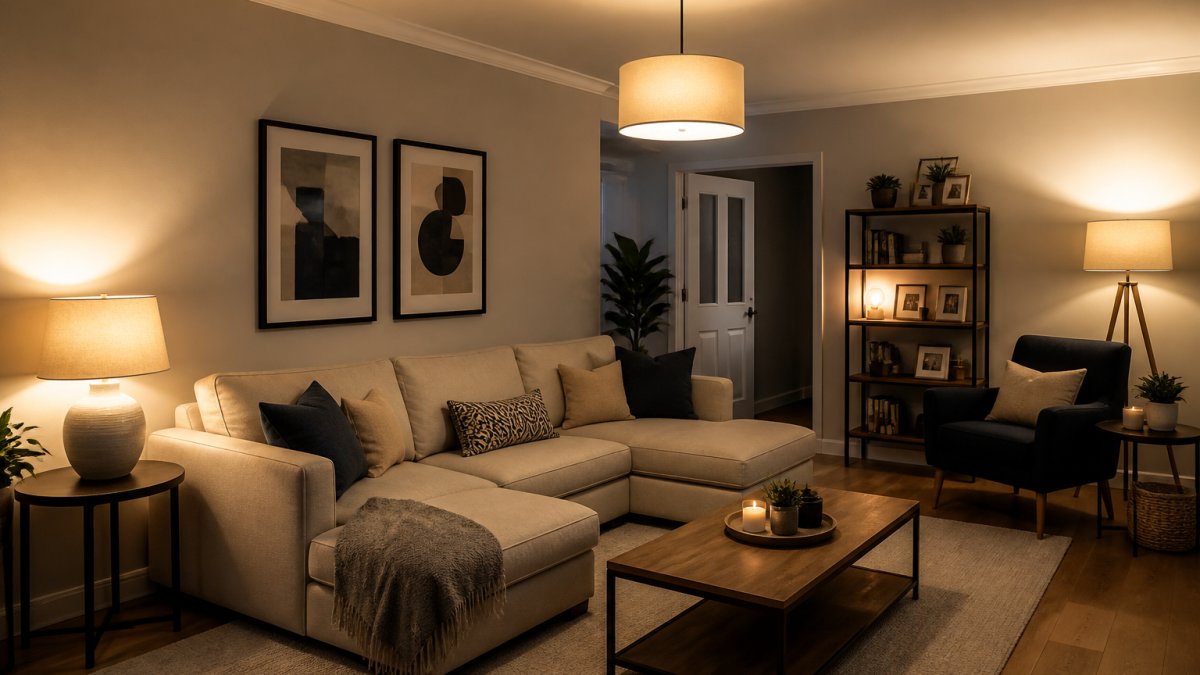
Consistent, steady illumination serves as the essential foundation for any organic modern living room, ensuring that the textures and natural materials within the space remain visually restful throughout the evening.
| Bulb Model | Fitting | Brightness | Dimmable | Best For | Price |
|---|---|---|---|---|---|
| Capsule G9 LED 2W 220CP | G9 | 20W equivalent | No | Accent lighting, decorative fixtures | £2.99 |
| Capsule G9 LED 3W 420CPFD | G9 | 28W equivalent | Yes | Dimmer-compatible accent lights | £3.99 |
| Capsule G9 LED 4W 510CPF | G9 | 33W equivalent | No | Brighter accent and wall lighting | £3.99 |
| Capsule G9 LED 5W 620CPFD | G9 | 40W equivalent | Yes | High-brightness dimmer lighting | £4.99 |
| B22 LED 12W 900BP | B22 Bayonet | 100W equivalent | No | Main ceiling lights, bright general lighting | £3.99 |
G9 Capsule Bulbs for Accent and Decorative Lighting
G9 bulbs fit compact fixtures like wall lights, table lamps, and decorative pendant lights. They’re smaller than standard bulbs, making them ideal for accent lighting that creates ambience without providing primary illumination.
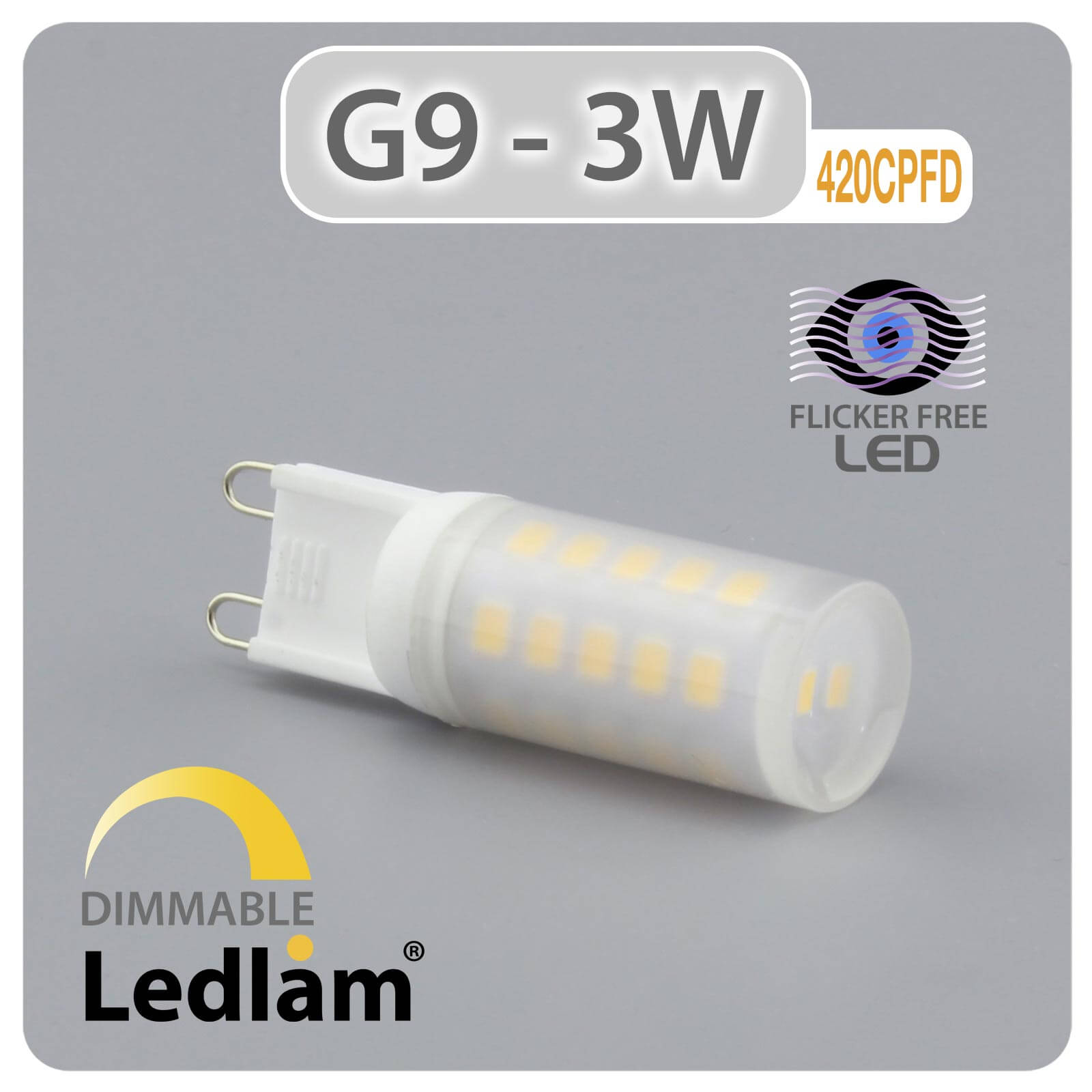
The Ledlam Capsule G9 LED Bulb 2W 220CP is the entry-level choice. At only 45mm long, it fits tight spaces and delivers 20W equivalent brightness. Use this for decorative fixtures where subtle accent light is all you need.
For dimmer-controlled accent lights, the Capsule G9 LED 3W 420CPFD is the practical choice. It’s dimmable, flicker-free across all brightness levels, and delivers 28W equivalent brightness. At £3.99, it costs only £1 more than the non-dimmable version but offers far greater flexibility.
If you need brighter accent lighting, perhaps for a reading corner or to illuminate artwork, the Capsule G9 LED 4W 510CPF delivers 33W equivalent brightness.
The Capsule G9 LED 5W 620CPFD is the premium option for high-brightness dimmer lighting. At 40W equivalent and fully dimmable, it’s the brightest G9 option available.
Best For
G9 bulbs work best in wall sconces, table lamps with small sockets, and decorative pendant lights. They’re not suitable for standard ceiling light fittings, which typically use B22 or E27 bases.
G9 bulbs work best in wall sconces, table lamps with small sockets, and decorative pendant lights. They’re not suitable for standard ceiling light fittings, which typically use B22 or E27 bases.
B22 Bayonet Bulbs for Traditional Fittings
B22 bayonet fittings are standard in most UK homes. These are the bulbs you’ll use in main ceiling lights, pendant lights, and most traditional light fixtures.
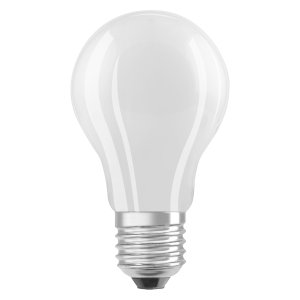
The B22 LED Bulb 12W 900BP is the workhorse choice for general living room lighting. At 100W equivalent and delivering 900 lumens, it provides bright, comfortable light suitable for most living rooms. At £3.99, it’s competitively priced and fully flicker-free, making it a straightforward upgrade from old incandescent bulbs. This is the bulb to choose for your main ceiling light or pendant fixture.
The 900BP is non-dimmable, so if you have a dimmer switch controlling your main ceiling light, you’ll need a dimmable alternative.
For most living rooms, a single 900BP bulb in a ceiling fixture provides sufficient primary lighting. You can then use dimmer-controlled G9 accent lights to adjust the overall ambience. This two-tier approach gives you flexibility without requiring every bulb to be dimmable.
Making Your Final Choice
Choosing flicker free LED bulbs for your living room comes down to three decisions: fitting type (G9 for accent lights, B22 for main fixtures), brightness in lumens (match your room size), and whether you need dimming capability.
Start with your main ceiling light. A B22 LED bulb like the 900BP provides bright, steady illumination without flicker. Then assess your accent lighting, wall sconces, table lamps, and decorative fixtures. If these are on dimmer switches, choose dimmable G9 capsule bulbs. If they’re fixed-brightness, the non-dimmable options work perfectly and cost slightly less.
The most important factor is choosing genuinely flicker-free bulbs. Cheap alternatives will save you a pound or two upfront but cost you in eye strain and fatigue. Quality flicker free LED bulbs are tested to eliminate flicker across all brightness levels, delivering the comfortable, natural light your living room deserves.
Frequently Asked Questions
How can I tell if an LED bulb is flickering?
The simplest method is the camera test: point your smartphone camera at the bulb and look at the screen. If you see a visible flicker or wave pattern on the camera display, the bulb is flickering. Your eye might not detect it directly, but cameras capture the rapid on-off cycles. You can also watch the bulb in your peripheral vision while moving your head side to side; flickering becomes more noticeable this way. Flicker free LED bulbs should show no visible pattern or wave when tested with a camera.
What colour temperature is best for a living room?
For living rooms, aim for warm white light between 2700K and 3000K. This colour temperature creates a relaxing, inviting atmosphere ideal for unwinding. Warmer tones (2700K) feel cosier and are better for evenings, while 3000K offers slightly brighter warmth without feeling cold. Avoid cool white (5000K+) in living spaces as it can feel clinical and energising rather than restful. Check the product packaging or listing for the Kelvin (K) rating to find the right warmth for your space.
How many lumens do I need for a living room bulb?
A typical living room benefits from 1500 to 3000 lumens total, depending on room size and natural light. For a single bulb in a standard ceiling fixture, aim for 800 to 1000 lumens as a starting point. If you have multiple lights, you can distribute the brightness across them. Smaller accent lights like G9 capsules provide 200 to 600 lumens and work well for table lamps or wall fixtures. Brighter isn’t always better; too much light can feel harsh. Start with moderate brightness and adjust based on how the space feels.
Can dimmable LED bulbs flicker, and will a standard dimmer switch cause problems?
Quality dimmable LED bulbs like those with flicker free technology should not flicker when used with LED-compatible dimmer switches. However, older dimmer switches designed for incandescent bulbs often cause LED flickering or incompatibility issues. If you have existing dimmer switches, check whether they’re rated for LED use, or upgrade to an LED-compatible dimmer. Dimmable LED bulbs are specifically engineered to work smoothly across brightness levels without the flicker that happens when standard LED bulbs are dimmed on incompatible switches.
Choosing the right flicker free LED bulbs transforms how your living room feels. Poor lighting causes eye strain and fatigue; quality lighting enhances comfort and ambiance. Ledlam’s flicker free LED bulbs are engineered to eliminate flicker entirely, whether you’re using them at full brightness or dimmed to create a relaxing evening atmosphere. Check out our LED Offers today and upgrade your living room with lighting that actually works for your eyes and your space.