















How to Layer Lighting in a Living Room
Quick Summary
To layer lighting in a living room, combine three types of light: ambient light for overall brightness, task light for activities like reading, and accent light to highlight features such as artwork or shelving. Using several sources lets you dim some and keep others on, so the room suits the moment.
- Map your living room’s lighting zones by listing the activities in each area.
- Spread ambient light across two or three fittings rather than one central pendant.
- Place task lamps beside reading chairs so light falls on the page, not your eyes.
- Aim accent lights at the feature, not the middle of the room.
- Choose warm white bulbs around 2700K and check they are compatible with your dimmer.
Table of Contents
- Why Layered Lighting Works Better Than One Ceiling Light
- Step 1: Map Your Living Room’s Lighting Zones
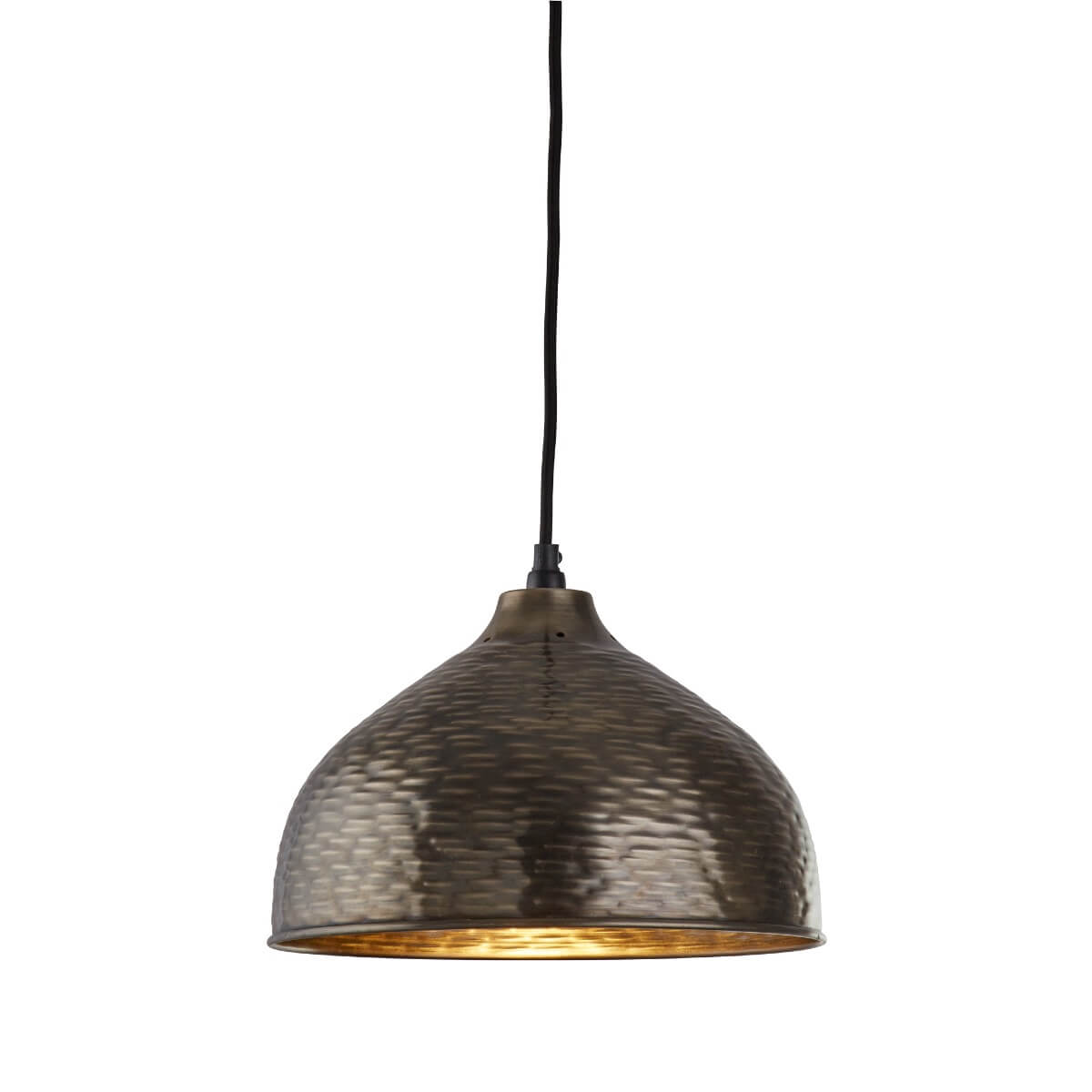
- Step 2: Set Up Ambient Lighting for Overall Illumination
- Step 3: Add Task Lighting Where You Read and Work
- Step 4: Place Floor Lamps and Accent Lights at the Right Heights
- Lighting a Living Room Without a Ceiling Light
- Choosing Warm White LED Bulbs and Finishing Your Layout
- Frequently Asked Questions
How to Layer Lighting in a Living Room
Last Updated: November 1, 2026
Why Layered Lighting Works Better Than One Ceiling Light
Most living rooms rely on a single ceiling fitting, and it shows. Ceiling lights throw flat, even light that makes a room feel like an office.
Ambient light fills the whole room. Task light helps you do things like read or sew. Accent light draws the eye to features such as artwork or shelving.
Here is how the three layers compare:
| Layer | Purpose | Typical Fittings | Where It Works Best |
|---|---|---|---|
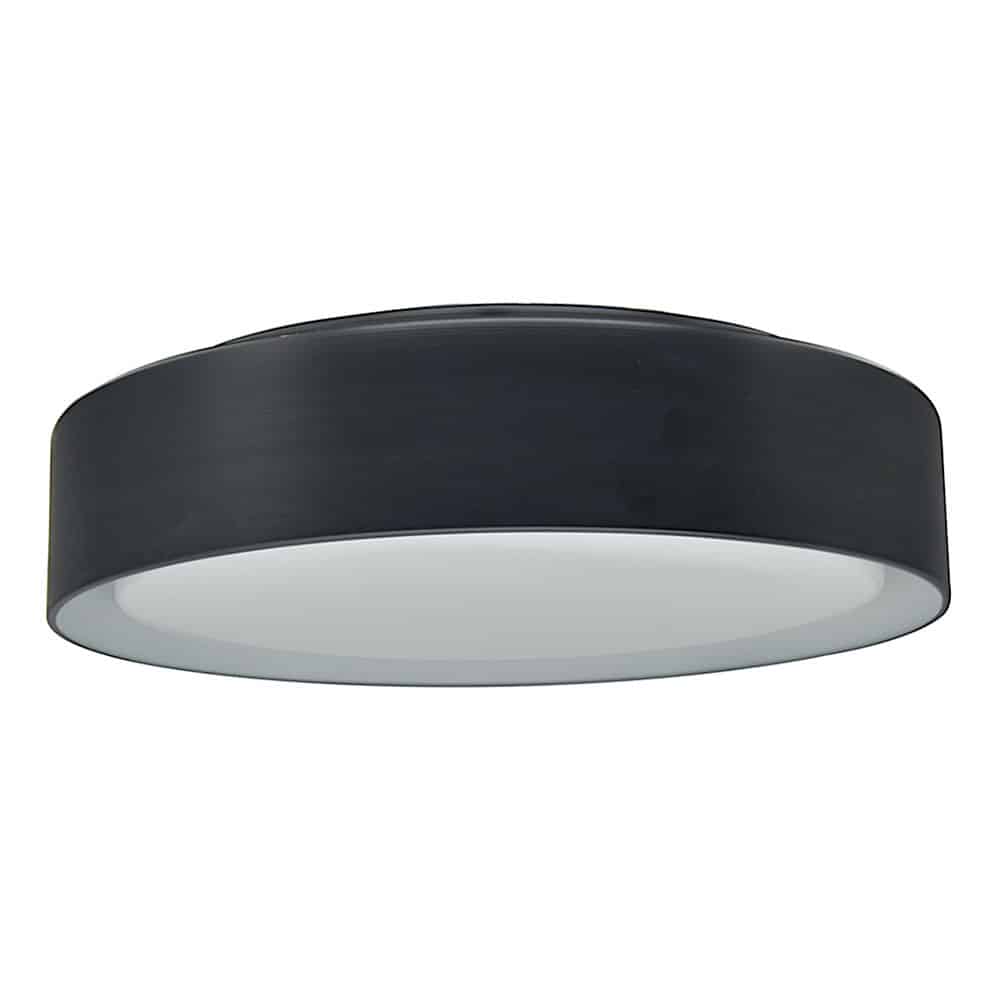
| Ambient | Overall brightness | Ceiling lights, wall lights | Whole room |
| Task | Focused light for activities | Table lamps, reading lights | Reading chairs, desks |
| Accent | Highlights features | Spotlights, picture lights | Artwork, shelves, alcoves |
Layering is also about flexibility. A single bright ceiling light can feel harsh in the evening, but a room with several sources lets you dim some lights and keep others on.
Step 1: Map Your Living Room’s Lighting Zones
Before buying anything, walk through your living room and mark where you actually spend time.
Start by listing the activities in each zone:
- Seating area: watching TV, chatting, relaxing
- Reading corner: books, magazines, tablets
- Dining or table area: meals, games, hobbies
Next, note where natural light comes in. Windows, sheer curtains and blinds all change how light behaves through the day.
Watch out: Placing all your light sources in the centre of the room is a common mistake. It leaves corners dark and makes the space feel smaller than it is.
Step 2: Set Up Ambient Lighting for Overall Illumination
Ambient light is your base layer. Its job is to bring the whole room up to a comfortable level without glare, so the eye can move around the room without straining. A ceiling fitting, a set of wall lights or a pair of floor lamps can all do this job, but the result depends far more on how much light you produce and where it lands than on the fitting style alone.
Start with a target light level, not a wattage
Most practitioners find that a living room feels comfortable at roughly 100-150 lux on the main surfaces for general use, rising to around 300 lux where you read or do close work.
That figure is a starting point, not a legal requirement. Dark walls, deep alcoves and heavy curtains all absorb light, so a room with lots of dark surfaces will need more.
Spread the light, don’t pool it
A single bright ceiling pendant creates a hot spot in the middle of the room and leaves the corners dim. Two or three lower-output fittings spread across the ceiling give a more even base layer and let you dim one area without darkening the whole room. Wall lights at roughly 1.7-1.8m above floor level wash light upwards and downwards, which lifts the ceiling and softens shadows without adding glare at eye level.
Pro Tip
If you are replacing a single pendant, keep the existing switched circuit and add a second, separately switched circuit for wall lights or a second ceiling point. Two circuits give you far more control in the evening than one dimmer on its own.
If you are replacing a single pendant, keep the existing switched circuit and add a second, separately switched circuit for wall lights or a second ceiling point. Two circuits give you far more control in the evening than one dimmer on its own.
Dimming: what actually works
Dimming is the single biggest upgrade to an ambient layer, but it only works if the lamp and the dimmer are compatible. LED bulbs often need a dimmer designed for LED loads (sometimes marked ‘trailing edge’ or ‘LED-compatible’); a dimmer intended for older incandescent bulbs may cause flicker, buzz or a limited dimming range. Check the bulb packaging for a dimming statement before you buy, and check the dimmer’s minimum load, many LED dimmers need at least 10-20W of connected load to work smoothly.
Warm light for the evening
Warm white light, around 2700K, suits most living rooms because it feels closer to the colour of candlelight and older incandescent bulbs. Cooler temperatures (4000K and above) read as clinical in a room meant for relaxing. If your ambient layer is on a dimmer, the perceived colour warms further as you dim, which is one reason dimmable warm white is the default choice for this room.
A note on installation and safety
In the UK, most lighting circuits are covered by Part P of the Building Regulations, which applies to electrical installation work in dwellings in England and Wales.
Once your ambient layer is in place, test it at dusk with every other light switched off. If the room feels flat or the corners are still dark, add a second ambient source before moving on to task and accent layers.
Step 3: Add Task Lighting Where You Read and Work
Task light is what makes a reading chair or desk usable. Place a lamp beside the chair so the light falls on the page, not in your eyes.
TOUCH TABLE LAMP, SATIN SILVER BASE, WHITE TAPERED SHADE →
The Touch Table Lamp, Satin Silver Base, White Tapered Shade from Ledlam is a good example. Its three brightness settings let you adjust the level for reading or for a softer evening glow. Shop the touch table lamp from our bedside lamps range.

Keep task lights close to where you sit. A lamp that is too far away forces you to lean in, which strains your eyes over time.
Step 4: Place Floor Lamps and Accent Lights at the Right Heights
Floor lamps add warmth to corners and sofas. Position them so the light falls across the room rather than straight down.
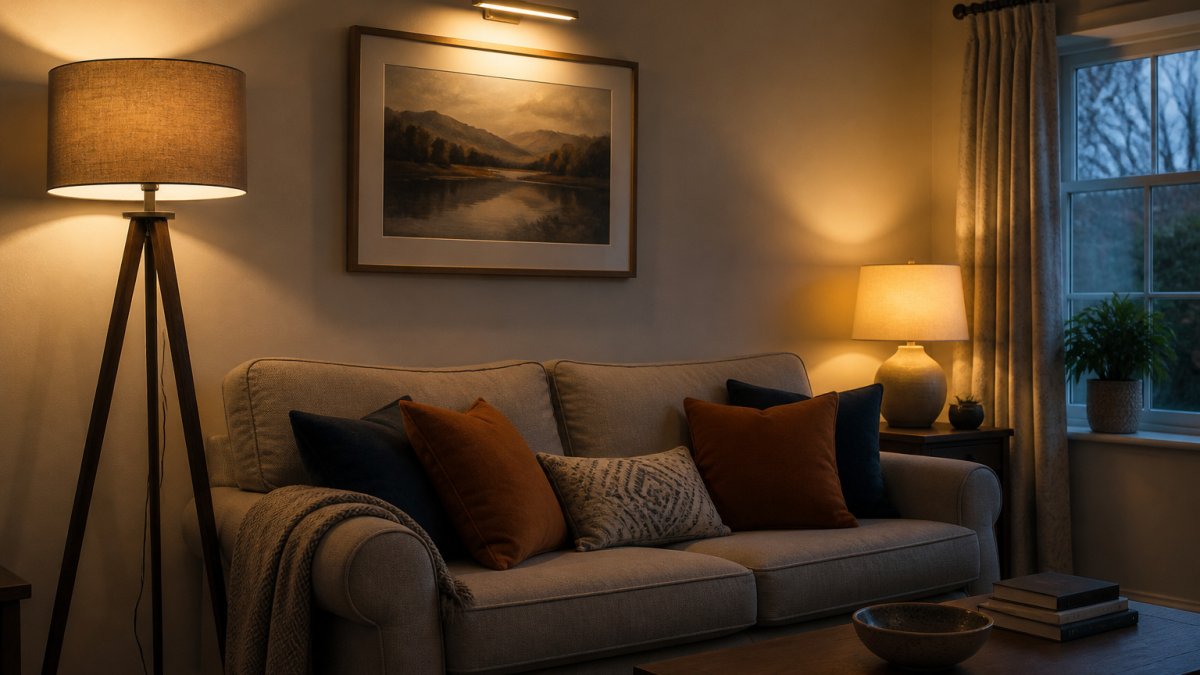
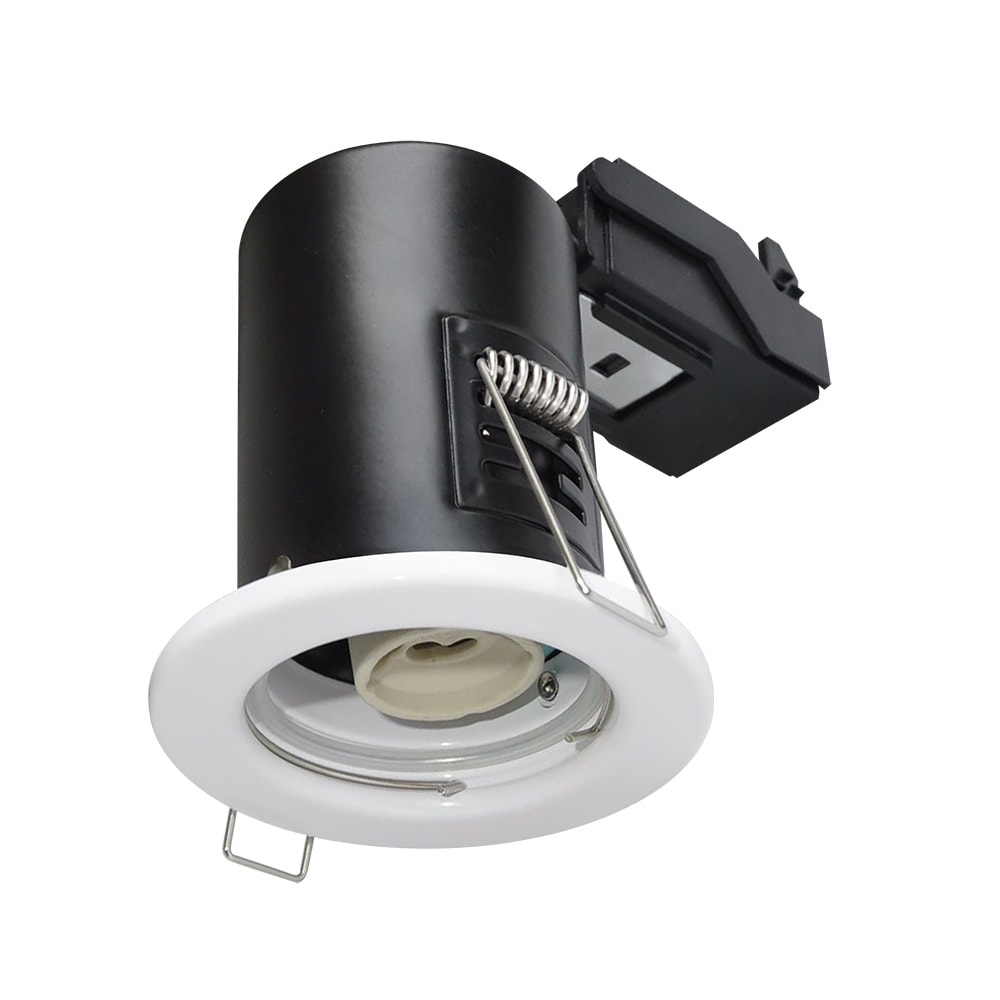
Accent lights come next. Spotlights and picture lights draw attention to artwork, shelves or architectural details. Aim them at the feature rather than the middle of the room.
The Trio 5LT Floor Lamp with Opal Balls adds a contemporary touch and spreads a soft glow across a seating area.
Lighting a Living Room Without a Ceiling Light
Some living rooms have no central fitting, or the ceiling light is in the wrong place. You can still layer light effectively. Use floor lamps and table lamps as your ambient layer, and add accent light where needed.


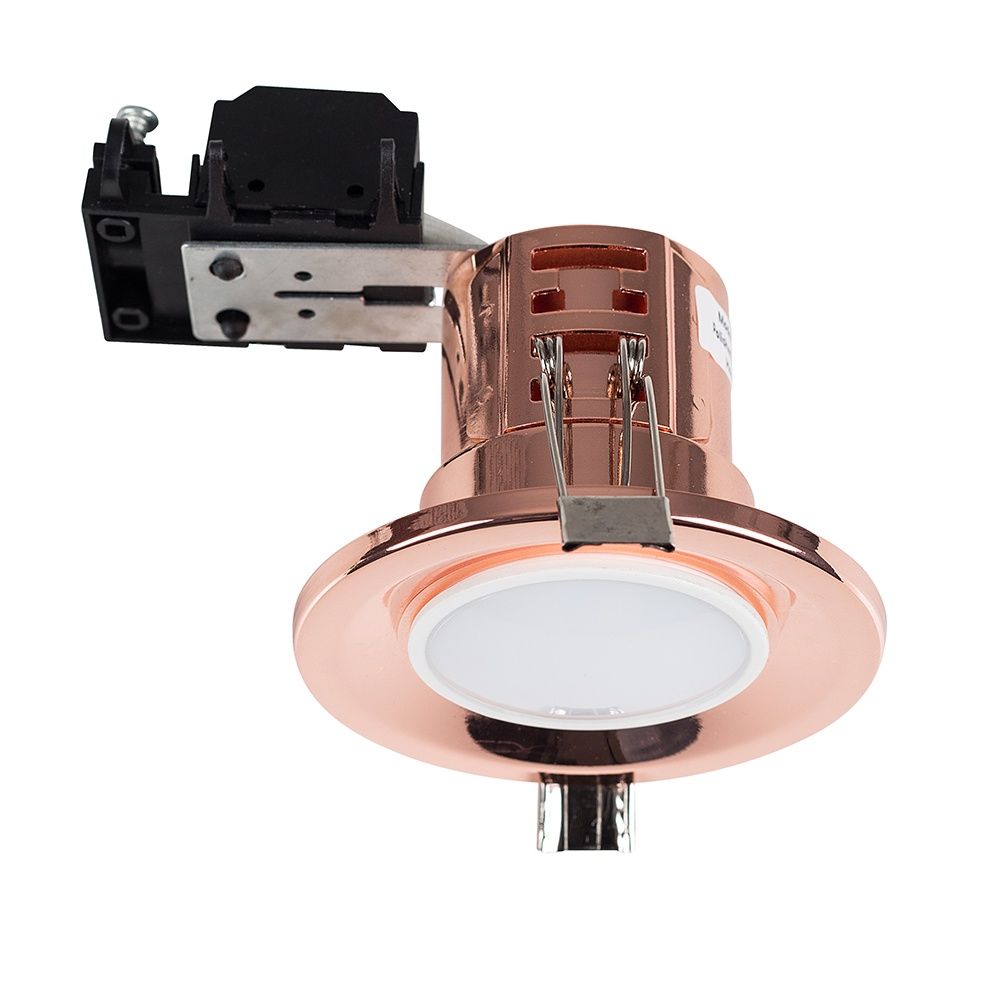
Adjustable surface spotlights are useful here. They mount directly to the ceiling and can be angled towards a bookcase, a picture or a corner.
Choosing Warm White LED Bulbs and Finishing Your Layout
Bulb choice matters as much as fitting choice, and it is where most layered lighting plans quietly fail. A beautiful floor lamp with the wrong bulb will glare, flicker or wash out the colours in the room. The good news is that four specifications, colour temperature, lumens, colour rendering and dimming compatibility, cover almost every decision.
Colour temperature: pick a warm base
Colour temperature is measured in kelvin (K). Warm white, around 2700K, gives the soft, inviting colour most people want in a living room. 3000K is slightly crisper and works well in a room that doubles as a workspace. Anything at 4000K or above reads as cool and clinical in a domestic living space. Keep the ambient, task and accent layers within a narrow band, mixing 2700K and 4000K in the same sightline makes both look wrong.
Lumens: brightness, not wattage
Lumens measure visible light output; watts measure power drawn. LED bulbs deliver far more light per watt than the incandescent bulbs they replaced, so a lower wattage can still give plenty of brightness. As a rough guide for a living room:
- Ambient ceiling or wall fittings: 400-800 lumens per fitting, spread across several points
- Task lamps for reading: 400-600 lumens at the page, with a shade that directs light downwards
- Accent spotlights and picture lights: 200-400 lumens, aimed at the feature rather than the room
These are starting points. A dark corner or a room with heavy curtains will need more; a small, pale room may need less.
Colour rendering: why CRI matters for artwork and furniture
Colour rendering index (CRI) describes how faithfully a bulb shows colours compared with natural light, on a scale up to 100. A CRI above 80 is fine for general ambient light. For accent lighting on artwork, textiles or wood, look for CRI 90 or above, the difference on a deep red or a warm oak is noticeable. Cheaper bulbs often omit the CRI figure; if it is not stated, assume it is modest.
Dimming compatibility
If a bulb sits on a dimmer, check that the bulb is marked as dimmable and that the dimmer is rated for LED loads. Non-dimmable LEDs on a dimmer will flicker, buzz or fail early. Many dimmable LEDs also have a minimum load, so a single 2W bulb on a dimmer rated for 20W may not dim smoothly, pairing it with other lamps on the same circuit usually solves this.
Running costs: a quick illustrative calculation
LED bulbs are cheap to run, and the difference adds up across a layered scheme. As an illustration, a 5W LED bulb used for 4 hours a day draws 20Wh a day, or about 7.3kWh a year. At a typical domestic electricity unit rate, that is a few pounds a year per bulb, a fraction of what an equivalent 40W incandescent would cost.
Finishing the layout
Once your fittings and bulbs are in place, test the room at different times of day. Switch each layer on and off, and note which combinations feel right for watching television, reading or entertaining. Adjust heights and angles until each zone works for its purpose. If a lamp throws glare at eye level, raise the shade or move the lamp behind the seated position.
Key Takeaway
A layered living room is really four decisions: how much ambient light you need, where the task light falls, what you want to accent, and whether every bulb is dimmable and the right colour temperature. Get those right and the fittings almost choose themselves.
A layered living room is really four decisions: how much ambient light you need, where the task light falls, what you want to accent, and whether every bulb is dimmable and the right colour temperature. Get those right and the fittings almost choose themselves.
Ready to start? Browse our full range of LED lighting, bulbs and floor and table lamps online at Ledlam, or visit our shop at Basildon Market to see the fittings in person.
Frequently Asked Questions
What are the three layers of lighting in a living room?
The three layers are ambient, task and accent lighting. Ambient lighting gives general illumination across the room, usually from a ceiling light, downlights or wall lights. Task lighting supports specific activities such as reading or working, typically from a table or floor lamp positioned close to the chair. Accent lighting highlights features like artwork, shelving or an architectural detail. Using all three lets you switch between a bright everyday setting and a relaxed evening mood without changing the bulbs.
Where should floor lamps be placed in a living room?
Place a floor lamp beside the seat where you read or relax, usually next to an armchair or at one end of the sofa, so the light falls over your shoulder onto the page. Keep it away from the television screen to avoid glare and reflections. If the room is large, a second floor lamp in a corner can balance the space and help define a seating area. Choose a shade that sits at or just above eye level when seated.
How do you light a living room with no ceiling light?
Rely on floor lamps, table lamps and wall lights for general illumination, then add accent lighting for depth. Position lamps in several spots so the light is spread around the room rather than concentrated in one place, which avoids harsh shadows. Plug-in lamps with LED bulbs keep running costs low. If you plan to add a ceiling fixture later, check with a qualified electrician about the wiring and any Building Regulations requirements before you start.
Should living room lights be warm or cool?
Warm white light, typically around 2700K to 3000K, suits most living rooms because it creates a relaxed, cosy atmosphere in the evening. Cooler light can feel crisp and is more useful for detailed tasks in a study area. Many people choose warm white for general and accent lighting and a slightly brighter bulb for reading. Using a mix of colour temperatures works well as long as they are broadly consistent across the room, so the space does not look patchy.
