


Quality Lighting Solutions for Local Suppliers
Table of Contents
- What Makes Quality Lighting Solutions Stand Out
- How to Choose LED Lighting for a Business
- LED Panel Lights for Offices and Commercial Spaces
- LED Emergency Light Solutions for Safety Compliance
- Understanding a Lighting Supplier Product Range
- Comparing Quality Lighting Options: Features and Value
- Frequently Asked Questions
Last Updated: October 9, 2026
What Makes Quality Lighting Solutions Stand Out
Quality lighting solutions for local lighting suppliers go beyond simply providing light. They combine durability, energy efficiency, and practical performance that matches the demands of commercial and residential spaces. When you’re choosing quality lighting solutions, you’re investing in products that deliver consistent brightness, withstand environmental stress, and reduce running costs over time.
The difference between standard and quality lighting becomes obvious in real-world use. A well-designed LED floodlight maintains its brightness output after thousands of hours, while cheaper alternatives fade or flicker. Premium materials like aluminium die-cast bodies resist corrosion in outdoor environments. Built-in drivers eliminate the need for external power supplies, simplifying installation and reducing failure points.

At Ledlam, we focus on quality lighting solutions that solve actual problems. Our range includes floodlights with sealed fascia glass and silicone rubber ensuring superior waterproof/airtight performance, premium quality aluminium alloy bodies that are corrosion resistant, and high-power LED chips. These aren’t premium-priced novelties, they’re practical choices that save money through reliability and energy efficiency.
The key features that separate quality from mediocrity include IP ratings (which measure weatherproofing), colour temperature consistency, lumen output stability, and build materials. A quality floodlight maintains its specifications across temperature ranges and doesn’t degrade after a season outdoors.
How to Choose LED Lighting for a Business
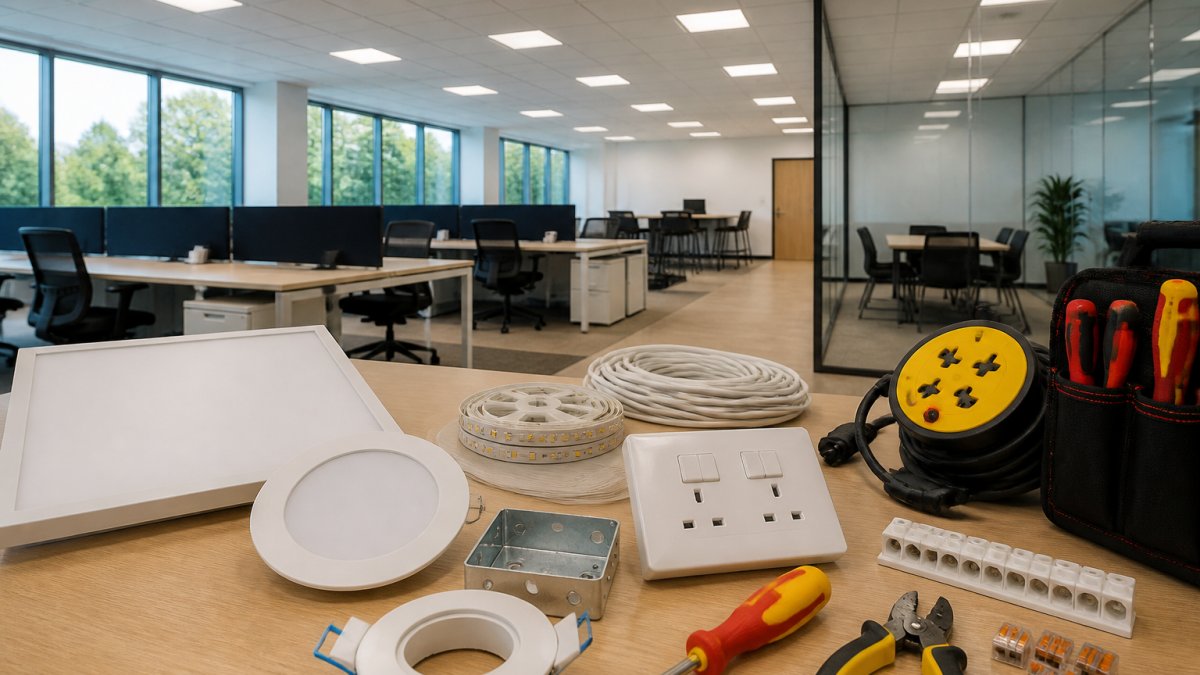
Selecting the right LED lighting for a business requires balancing brightness needs, durability standards, and long-term operating costs. The process starts with understanding your space and its demands, then matching those requirements to specific product capabilities.
Brightness and Colour Temperature
Brightness is measured in lumens, not watts. This matters because LED technology is far more efficient than older halogen or metal halide systems. A 50W LED floodlight typically produces as much light as a 400W halogen equivalent. For your business, this means lower electricity bills without sacrificing visibility.
Colour temperature, measured in Kelvin (K), affects how a space feels and functions. Cool white (5000-6500K) suits offices, retail spaces, and areas where task accuracy matters. Warm white (2700-3000K) works better in hospitality and residential settings where comfort is the priority. Many businesses choose a middle ground around 4000K for general-purpose lighting.
When choosing brightness and colour temperature, consider the task. A warehouse needs high lumens and cool white for safety and inventory checking. A retail shop might prefer warm white to create an inviting atmosphere while still maintaining visibility. Office spaces benefit from cool white to support concentration and reduce eye strain.
Durability and Weather Resistance
Durability determines how long your lighting investment lasts and how often you’ll replace it. IP ratings tell you how well a light resists dust and water. IP65 means complete dust protection and water jet resistance, suitable for outdoor use and damp environments. IP44 offers moderate protection, adequate for covered outdoor areas.
The housing material matters significantly. Die-cast aluminium bodies resist corrosion far better than plastic or untreated steel. Silicone rubber gaskets around the glass lens create an airtight seal that keeps moisture out, preventing internal condensation that causes premature failure.
Sealed fascia glass is a practical feature often overlooked. It prevents dust accumulation inside the lens, which reduces brightness over time. A sealed design maintains light output consistency and reduces maintenance needs.
LED Panel Lights for Offices and Commercial Spaces
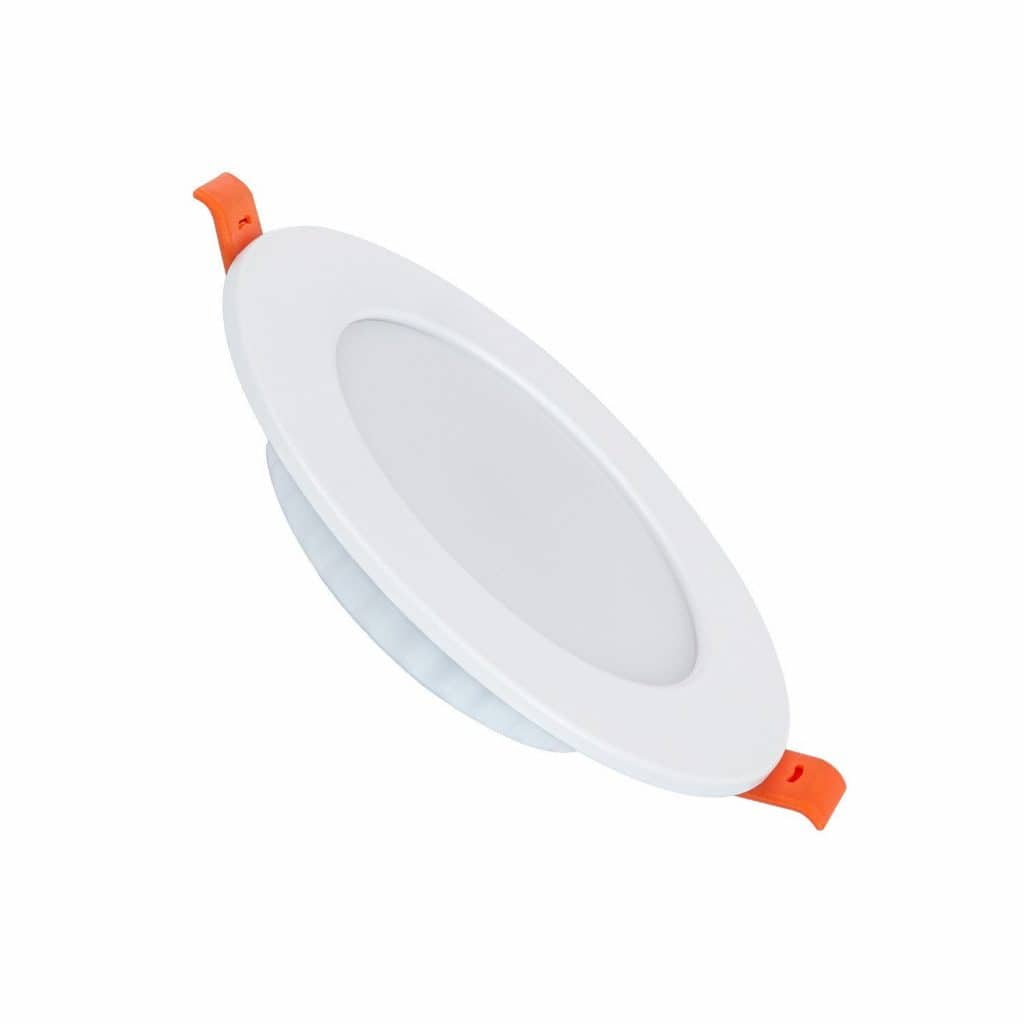
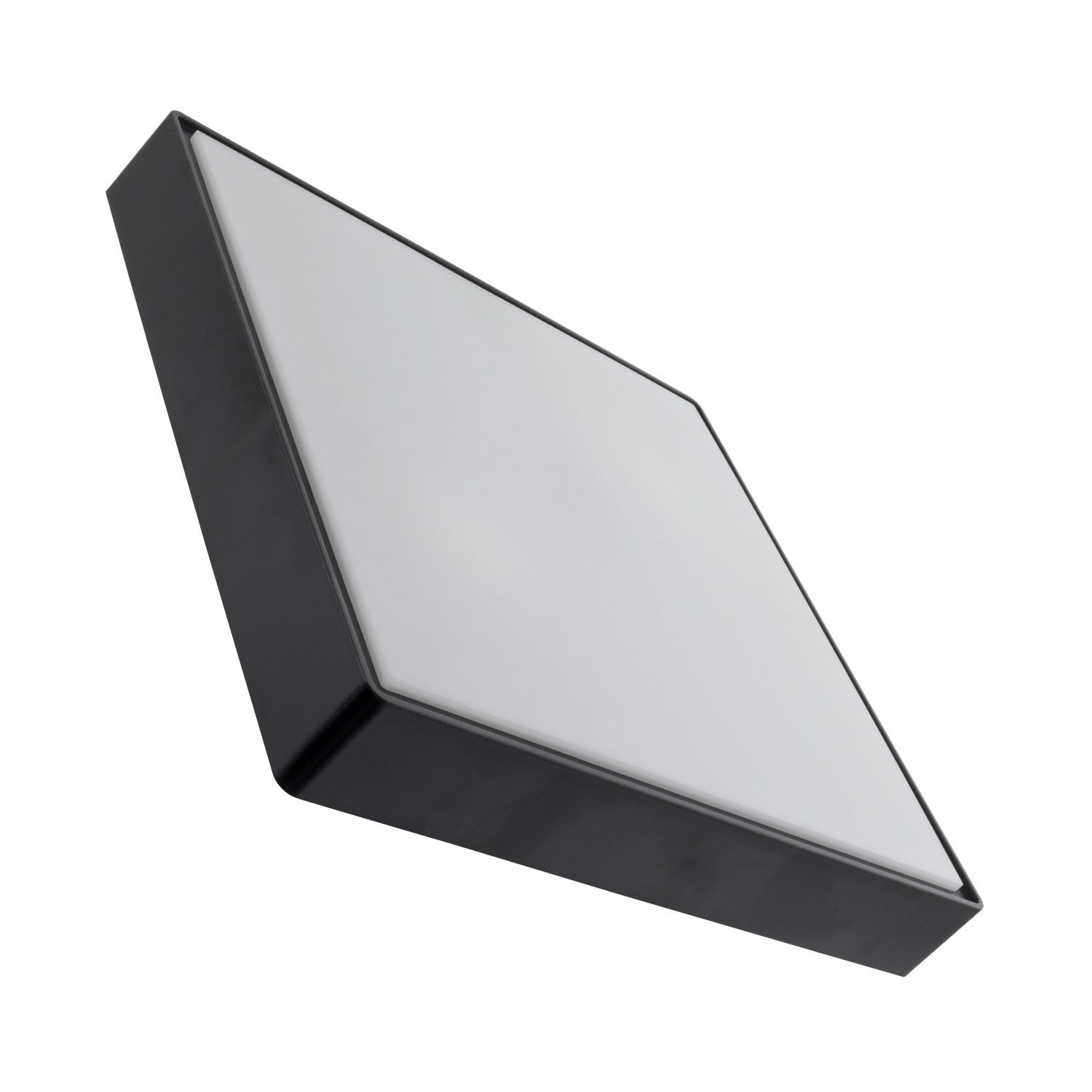
LED panel lights distribute light evenly across large areas without glare or hot spots. They’re slimmer than traditional ceiling fixtures, suit contemporary office design, and use far less energy than fluorescent alternatives.
Panel lights work well in open-plan offices, retail environments, and commercial kitchens where consistent, shadow-free lighting matters. They mount flush to ceilings, maintaining clean aesthetics. The even spread of light reduces eye strain compared to traditional downlights or spotlights.
LED Emergency Light Solutions for Safety Compliance
Emergency lighting is a legal requirement in most commercial premises. Building Regulations require that escape routes remain visible during a power failure, and emergency lights must activate automatically within seconds.
LED emergency lights combine the light source and the backup battery in a single unit, eliminating the need for external power supplies or complex wiring. When mains power fails, the battery activates instantly, maintaining illumination along escape routes for the required duration.
The placement of emergency lights follows Building Regulations guidance. They must illuminate exit doors, escape routes, and changes in level or direction. Spacing depends on the light output and the width of the escape route. A qualified electrician should assess your specific premises to determine the correct number and placement of units.
Quality emergency lights use LED technology because it’s energy-efficient and reliable. LEDs have long lifespans, reducing replacement frequency. The sealed design prevents dust accumulation that would reduce brightness, which is critical for safety compliance.
Testing is a legal requirement. Most regulations require functional testing monthly and full-load testing annually. A suitably qualified electrician should carry out annual certification to confirm your emergency lighting system meets current standards.
Understanding a Lighting Supplier Product Range
A comprehensive lighting supplier offers products across several categories: outdoor floodlights, emergency lights, panel lights, downlights, and accent lighting. Each category serves different applications and comes in various specifications.
100W SMD SLIM FLOODLIGHT 6400K WHITE BODY,WHITE WIRE →
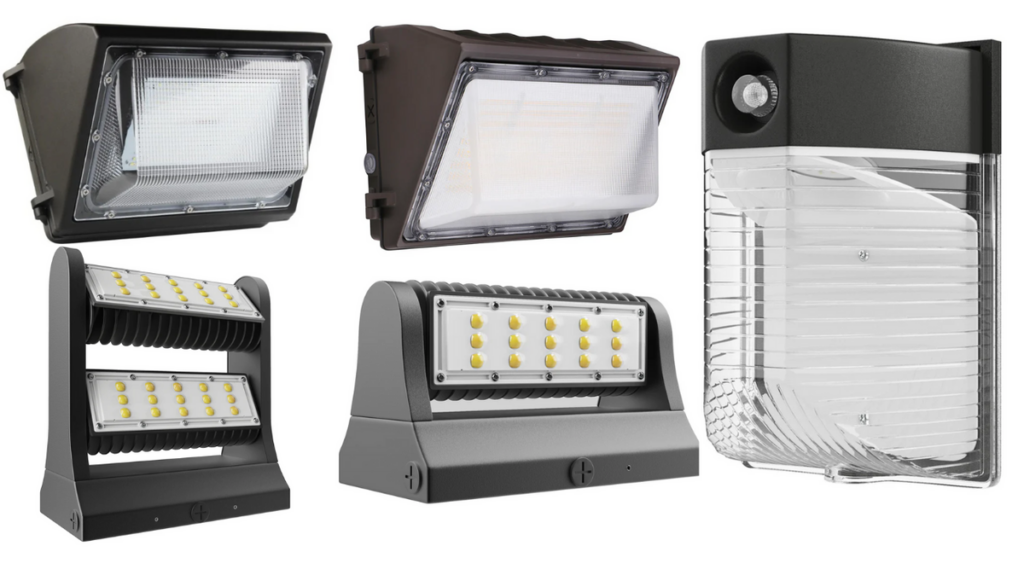
Outdoor floodlights from a quality supplier include options ranging from 10W to 1000W, with multiple colour temperatures and finishes. This range allows you to match brightness to the area size and aesthetic to the building style. Sensor-equipped models add motion detection or daylight sensing, reducing energy waste by running lights only when needed.
Dimmer compatibility is an often-overlooked specification. If your premises has existing dimmer switches, not all LED lights will work without flickering.
Comparing Quality Lighting Options: Features and Value
When comparing quality lighting solutions, the decision comes down to application, budget, and specific requirements. Different product types serve different purposes, and the “best” choice depends on your situation.
| Product Type | Starting Price | Best For | Key Advantage | Durability Rating |
|---|---|---|---|---|
| Standard Floodlight | £28.89-£33.19 | General outdoor lighting | Cost-effective, proven design | High |
| Sensor-Equipped Floodlight | £29.99 | Automated security lighting | Energy savings, convenience | High |
| Smart Floodlight with Camera | £288.09 | Premium security and monitoring | Remote access, real-time alerts | Very High |
| LED Panel Light | Variable | Office and commercial spaces | Even light distribution, modern aesthetics | High |
| Emergency Light | Variable | Compliance and safety | Automatic activation, long lifespan | Very High |
Standard Floodlights vs Sensor-Equipped Models
Standard floodlights remain on whenever power is supplied. They’re ideal for areas requiring constant illumination: building façades, sports facilities, industrial sites, and hoardings. The simplicity means fewer components that can fail, and they’re straightforward to install and maintain.
The 30W SMD Floodlight with Samsung Chip at £28.89 represents excellent value in this category. The Samsung LED chip ensures consistent colour rendering and long lifespan. The die-cast aluminium body and sealed fascia glass provide the durability needed for outdoor use. This model suits building façades, car parks, and general commercial outdoor lighting where 24/7 operation is acceptable.

Sensor-equipped models add motion detection (PIR) or daylight sensing, reducing energy consumption by activating only when needed. The 30W SMD PIR Sensor Slim Floodlight at £29.99 adds motion detection for minimal cost increase over standard models. This suits security lighting around buildings, car parks, and outdoor storage areas where continuous operation isn’t necessary.
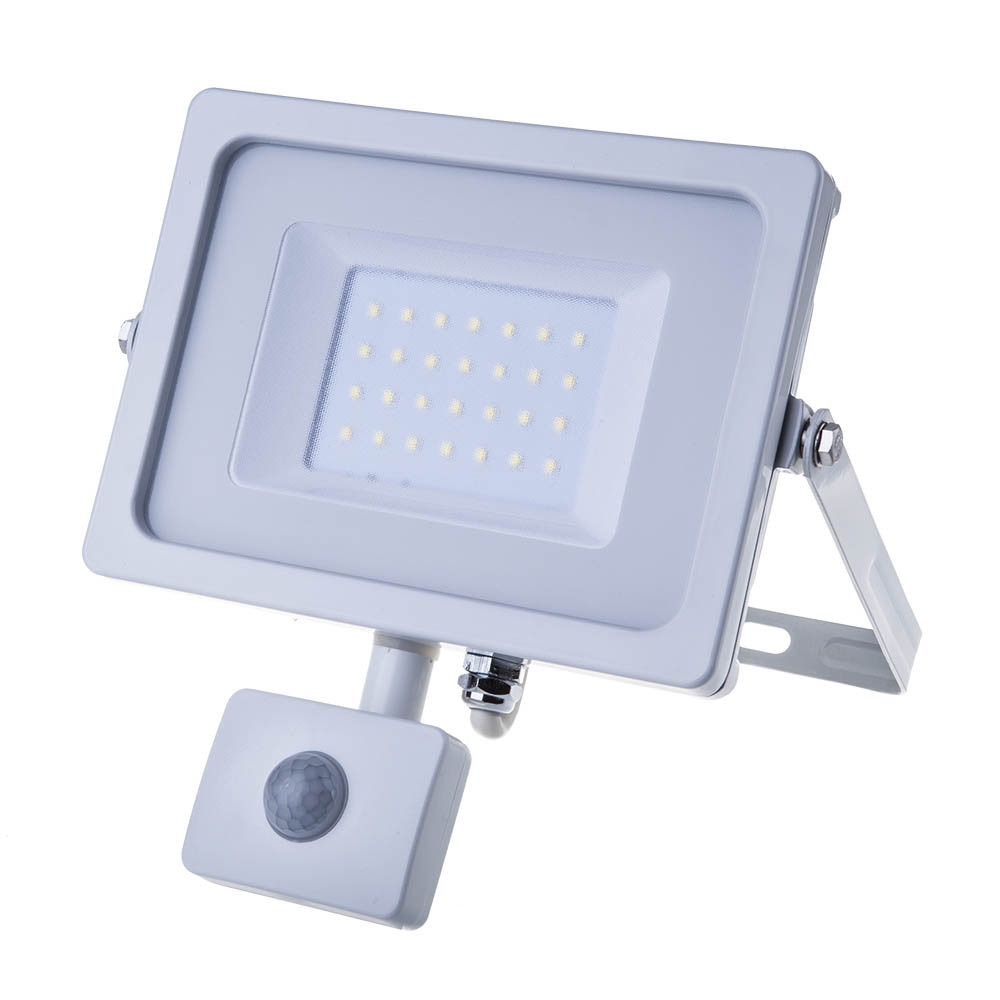
The energy saving from sensor models varies by application. A floodlight running 12 hours daily uses more energy than one running only 4 hours when motion is detected. For security purposes, the motion activation also provides a deterrent effect that constant lighting cannot match.
Smart Lighting with Integrated Monitoring
Smart floodlights with integrated WiFi, sensors, and cameras represent the premium option. The 18W LED Floodlight with WiFi Sensor Camera at £288.09 combines lighting, motion detection, and video monitoring in a single unit.
This model suits businesses requiring both security and remote monitoring capabilities. The integrated camera allows real-time alerts to your phone or computer when motion is detected. The WiFi connectivity enables scheduling and remote control, you can adjust settings without visiting the site. The built-in PIR sensor provides motion-based activation, reducing energy consumption.
The higher cost reflects the additional technology and the convenience it provides. For small businesses or remote properties, the ability to monitor activity without installing separate security cameras offers genuine value. For larger premises, these units can supplement traditional CCTV systems or provide coverage in areas where fixed cameras aren’t practical.
Quality smart lighting requires reliable WiFi connectivity. Before choosing this option, confirm that your premises has adequate signal strength in the installation areas. Poor connectivity will cause unreliable performance and frustration. Integrating a dedicated local hub ensures consistent smart lighting control even when the broader network experiences temporary instability.
Choosing quality lighting solutions for your business means balancing immediate costs against long-term reliability and operating expenses. The products Ledlam supplies, from standard floodlights to smart monitoring systems, are designed to deliver consistent performance across thousands of hours of operation. Whether you need outdoor security lighting, office panel lights, or emergency compliance lighting, the key is matching the right specification to your actual requirements rather than choosing based on price alone.
Building Regulations guidance on emergency lighting requires that escape routes remain illuminated during power failure, and British Standards for emergency lighting provide detailed technical specifications for compliant installation. For specific requirements in your premises, a qualified electrician can assess your needs and recommend appropriate solutions.
Ledlam offers a comprehensive range of quality lighting solutions with competitive pricing and practical support. Check out our LED Offers today to find the right lighting for your business, or visit our Basildon Market store for expert advice on selecting products that match your specific requirements.
Frequently Asked Questions
What should I look for in a quality lighting supplier?
A quality lighting supplier offers a broad range of products with clear specifications, transparent pricing, and knowledgeable support. Look for suppliers who stock durable LED solutions with proper certifications, provide detailed technical information about brightness and colour temperature, and can advise on fitting compatibility. A local supplier should be accessible for questions and able to help you match products to your specific needs rather than pushing generic solutions.
How do I choose the right LED lighting for a business?
Consider three key factors: brightness (measured in lumens), colour temperature (typically 4000K to 6500K for commercial spaces), and durability (IP rating for outdoor use). Assess your space’s layout and existing fittings, then match wattage and fitting type accordingly. For outdoor areas, choose weatherproof aluminium-bodied units with IP65 rating. A lighting supplier can help verify compatibility with your existing installation.
What is the difference between LED panels and downlights?
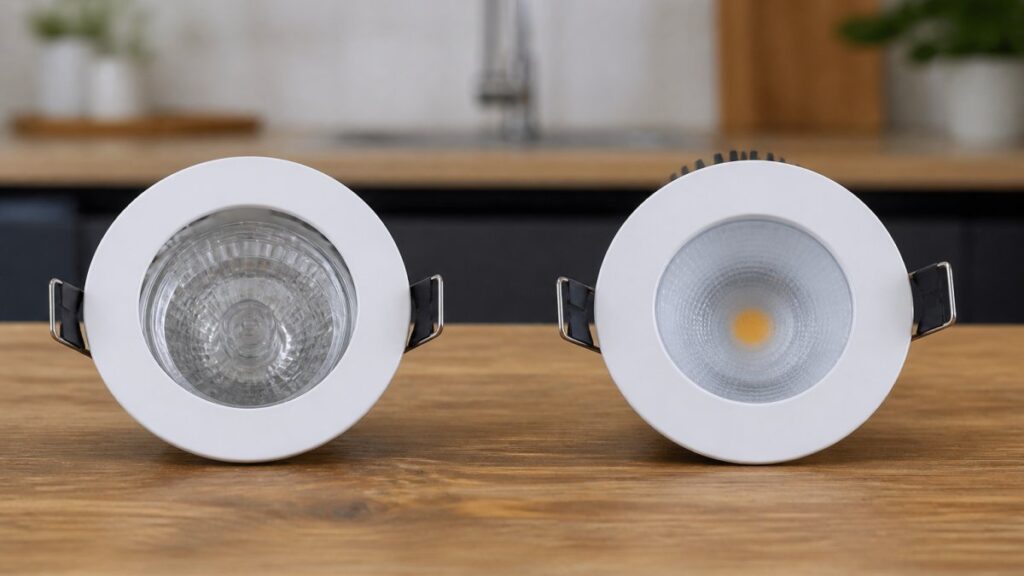
LED panels provide broad, even illumination across large areas and are ideal for office ceilings and commercial spaces where uniform lighting matters. Downlights focus light downward in a more concentrated beam, making them suitable for accent lighting or task-specific areas. Panels typically offer better energy efficiency for full-room coverage, whilst downlights work better for highlighting specific features or reducing energy use in smaller zones.
Should I hire a qualified electrician to install commercial LED lighting?
Yes, for most commercial installations a qualified electrician should handle the work. This ensures compliance with Building Regulations and electrical safety standards, proper circuit design for your lighting load, and correct installation of any sensor or smart features. A professional assessment is particularly important if you’re retrofitting existing fixtures or adding new circuits. Your lighting supplier can advise on compatibility and specifications, but installation should be left to a certified professional.
How much energy will I save by switching to LED lighting?
LED lighting typically uses 75-80% less energy than traditional halogen or metal halide floodlights. The exact savings depend on your current fixtures, usage hours, and local electricity rates. For a business running outdoor floodlights 10-12 hours daily, switching from 400W halogen units to 50W or 100W LED equivalents can reduce monthly energy costs significantly. Your lighting supplier can help calculate estimated savings based on your specific setup and usage patterns.