













How to Use Smart Lighting in Your Home
Last Updated: October 25, 2026
Quick Summary
Smart lighting home solutions adapt to your needs, reduce energy consumption, and integrate with other home automation devices. LED smart bulbs consume a fraction of the power that traditional bulbs do, whilst automation schedules turn lights off automatically in unused rooms, delivering measurable energy savings.
- Smart bulbs work independently but require the wall switch to stay on; smart switches require electrical installation but work with ordinary bulbs.
- Motion sensors, scheduling, and remote control eliminate manual light management and create security benefits through irregular on-off patterns.
- Local control systems like Zigbee and Z-Wave operate independently of internet connectivity, protecting privacy and reliability.
- Start with one room or fixture type to test the system before expanding to broader home automation.
- Integration with voice assistants, motion sensors, and smart hubs enables complex automation like occupancy-based lighting or coordinated temperature control.
Table of Contents
- Why Smart Lighting Matters for Modern Homes
- The Real Benefits of Smart Lighting
- Smart Bulbs vs Smart Switches: Which Works Best for You
- Smart Lighting Ideas for Home Automation
- Smart Lighting Without Wi-Fi: Local Control Options
- Integrating Smart Lighting with Other Smart Home Devices
- Getting Started with Smart Lighting Today
- Frequently Asked Questions
Why Smart Lighting Matters for Modern Homes
Smart lighting home solutions have shifted from a novelty to a practical upgrade that most homeowners eventually consider. The question isn’t whether smart lighting works, it’s whether the benefits justify the investment for your specific situation.
At Ledlam, we help customers understand what smart lighting actually delivers beyond the marketing hype. The real appeal isn’t just remote control; it’s about creating lighting that adapts to your needs, reduces energy consumption, and integrates with the rest of your home automation setup. Whether you’re retrofitting a single room or planning a whole-house upgrade, understanding the practical advantages of smart lighting in your home is essential before committing time and money.
Smart lighting has become more affordable and reliable than it was five years ago. The technology works, the integrations are solid, and the energy savings are measurable. What matters now is matching the right solution to your home’s existing infrastructure and your actual usage patterns.
The Real Benefits of Smart Lighting
The benefits of smart lighting extend well beyond convenience. Energy efficiency is the most quantifiable gain: LED smart bulbs consume a fraction of the power that traditional halogen or incandescent bulbs do. A typical household can reduce lighting energy use significantly by switching to smart LED technology, particularly when combined with automation schedules that turn lights off automatically in unused rooms.
Dimming capability is another genuine advantage. Rather than replacing bulbs with different wattages, you adjust brightness electronically. This flexibility means you can create different moods in the same space without swapping fixtures. The British Standards Institution guidance on lighting design emphasises that appropriate lighting levels improve both comfort and safety in residential spaces.
Scheduling and automation save effort over time. Set your hallway lights to turn on at dusk and off at midnight. Program your bedroom lights to gradually brighten in the morning, mimicking a natural sunrise. These routines run without intervention once configured.
Remote control adds genuine utility if you travel regularly or want to simulate occupancy when away. Turning lights on from your phone while driving home means you arrive to a lit house rather than a dark one.
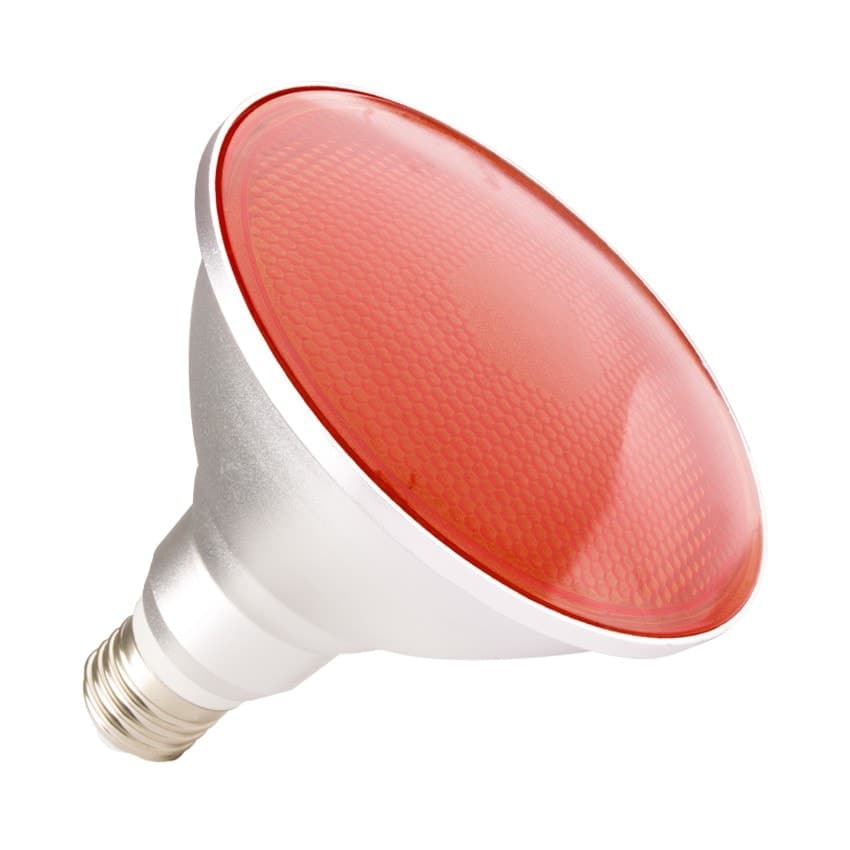
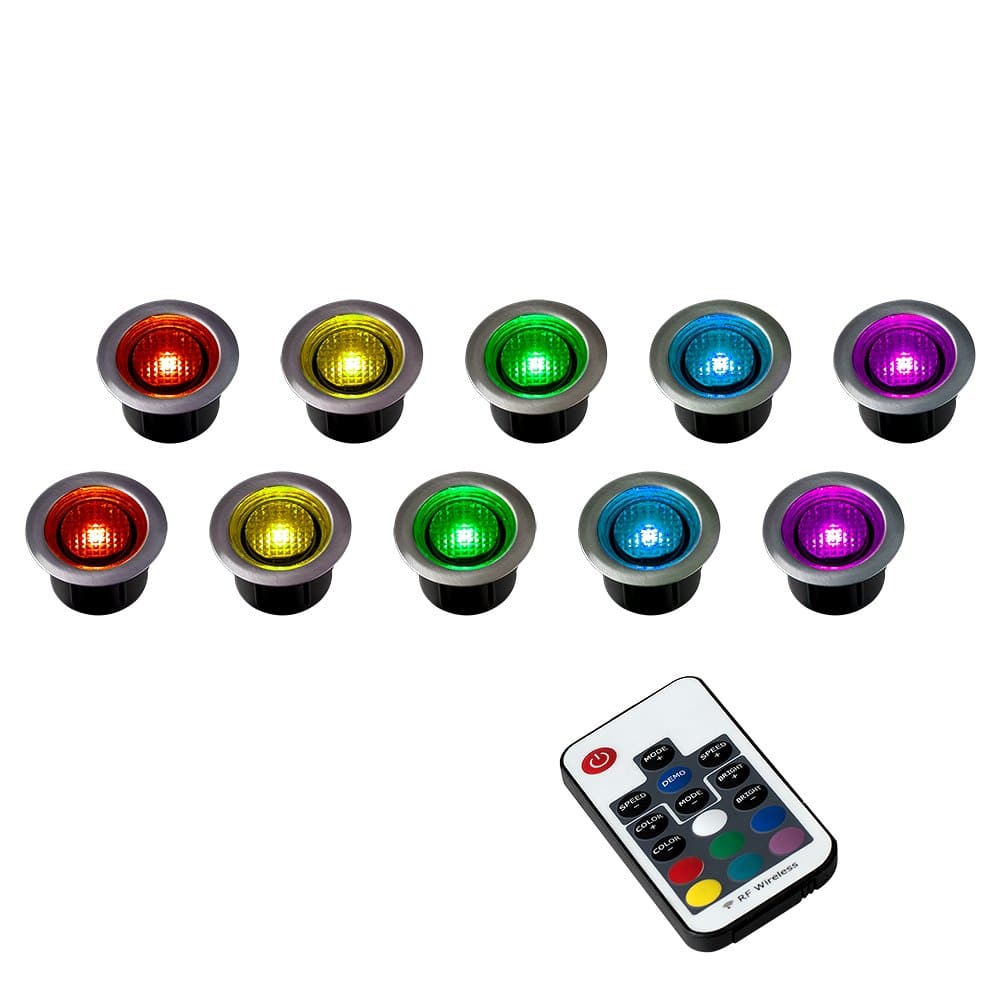
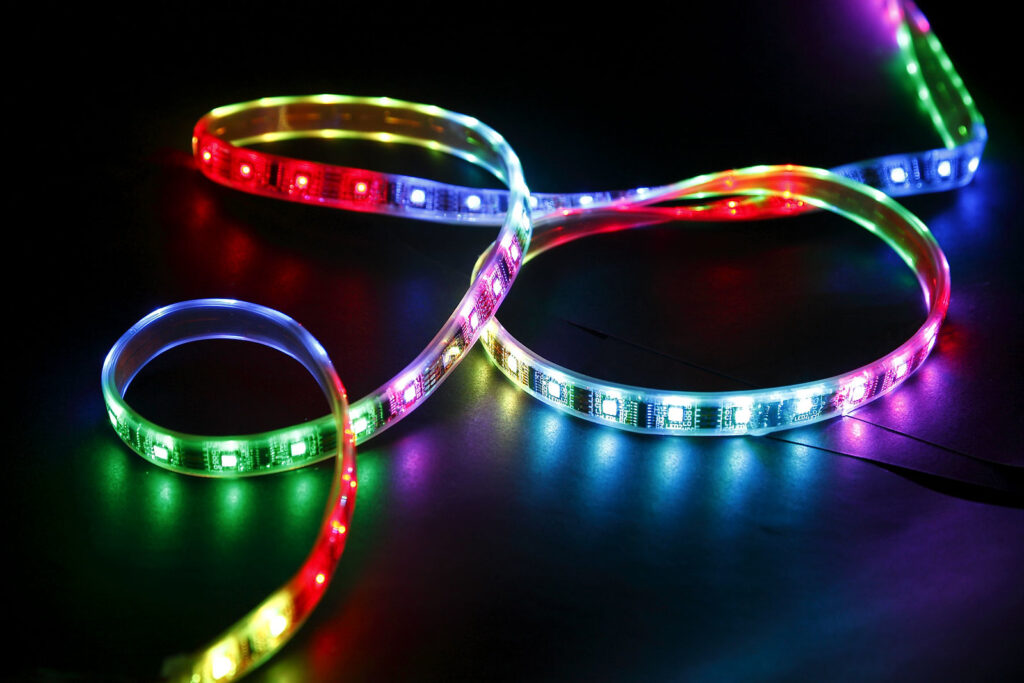
Colour-changing bulbs appeal to specific use cases. Entertainment spaces, accent lighting, and mood-setting scenarios benefit from the ability to shift colour temperature or full-spectrum colours. For most everyday lighting, kitchens, bathrooms, hallways, white light at adjustable brightness covers the practical need.
Smart Bulbs vs Smart Switches: Which Works Best for You
Smart bulbs and smart switches solve the same problem differently, and the best choice depends on your existing setup and usage patterns.
Smart bulbs replace your existing bulbs with intelligent versions. They work independently, controlled via an app or voice assistant. The Which? consumer research on smart home devices highlights that smart bulbs offer straightforward installation for most homeowners.
The drawback is that smart bulbs only work if the physical switch stays on. If someone flips the wall switch off, the bulb loses power and can’t respond to automation or remote commands.
Smart switches replace the wall switch itself, controlling any bulbs connected to that circuit. How to Install WiFi Light Switches: Step-by-Step provides practical guidance if you’re considering this option. This approach works with ordinary, cheaper bulbs, you don’t need to buy intelligent bulbs at all.
The trade-off is installation. If you’re not comfortable working with electrics, you’ll need to hire an electrician. Guidance on safe electrical installation from the Institution of Engineering and Technology recommends that anyone unfamiliar with electrical work should engage a qualified electrician.
For most homeowners, smart bulbs suit rental properties and situations where you want to experiment without permanent changes. Smart switches suit owner-occupied homes where you’re willing to invest in infrastructure and want broader control across multiple fixtures.
Smart bulbs and smart switches each have distinct advantages and limitations depending on your home setup.
| Solution | Best for | Key difference |
|---|---|---|
| Smart bulbs | Rental properties, gradual upgrades | Work independently; require wall switch to stay on |
| Smart switches | Owner-occupied homes, multiple fixtures | Require electrical installation; work with ordinary bulbs |
Smart Lighting Ideas for Home Automation
Practical applications of smart lighting home automation start simple and expand as you become comfortable with the technology. Begin with high-traffic areas: hallways, bathrooms, and bedside lamps benefit immediately from motion-sensing or scheduled automation. A hallway light that turns on automatically when you approach at night eliminates the fumble for a switch in darkness.
Bedroom lighting can be programmed to gradually brighten over 15-30 minutes, simulating a natural sunrise and easing you into wakefulness. The reverse works for evening: lights gradually dim, signalling to your body that sleep time is approaching. This aligns with natural circadian rhythms and can improve sleep quality.
Kitchen and dining room lighting suits scene-based control. Create a “cooking” scene with bright white light, a “dining” scene with warmer tones and medium brightness, and a “cleaning” scene with maximum brightness. Switch between them with a single tap or voice command rather than adjusting multiple switches.
Outdoor lighting, porch lights, garden spotlights, pathway lights, benefits from automation tied to sunset and sunrise times. Lights turn on automatically as darkness falls and off as dawn breaks, with no manual intervention needed. Security lighting can be set to turn on when motion is detected after dark.
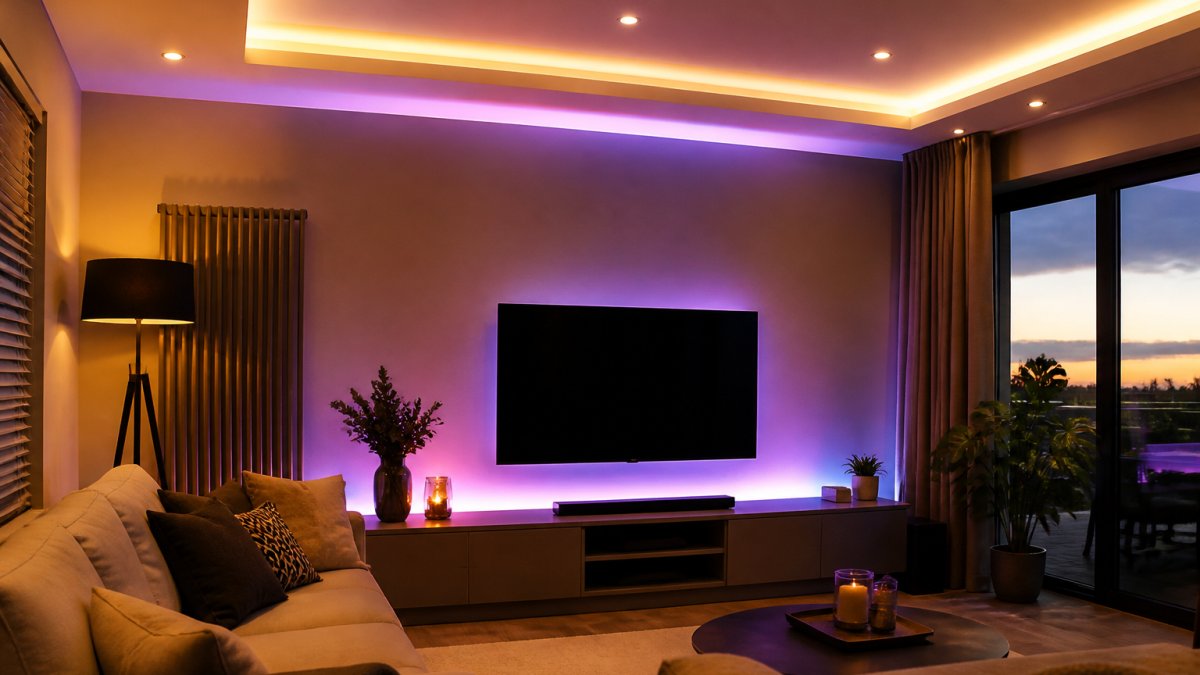
Entertainment spaces gain from colour-changing smart bulbs. Living rooms and home cinemas can shift to warm amber tones for film watching, then bright white for social gatherings. Accent lighting behind televisions or along shelving adds visual interest without serving a functional lighting purpose.
Smart Lighting Without Wi-Fi: Local Control Options
Not all smart lighting requires internet connectivity or cloud-based apps. Local control systems operate within your home network or via radio frequency, offering privacy and reliability without dependence on external servers.
Radio frequency remote controls are the simplest approach. A small remote communicates directly with a receiver built into the light or switch. No Wi-Fi, no app, no cloud account needed. The range is typically 10-20 metres, sufficient for most homes. These systems are straightforward, reliable, and free from connectivity issues.
4W GU10 Smart WiFi Dimmable RGBW LED Bulb →
Zigbee and Z-Wave are mesh networking protocols that create a local network within your home. Devices communicate with each other to relay signals, extending range and reliability.
Thread is a newer protocol gaining adoption in smart home devices. It operates similarly to Zigbee, creating a local mesh network. Thread-enabled devices require a Thread border router (often a compatible smart speaker or hub) but communicate locally first, with cloud integration as an optional layer.
For homeowners concerned about privacy or internet reliability, local control systems provide peace of mind. Your lighting automation doesn’t depend on a company’s servers remaining operational or your internet connection staying stable. The downside is reduced integration with voice assistants and fewer automation possibilities compared to fully cloud-connected systems.
Ledlam supplies both Wi-Fi-connected smart bulbs and local control options. The Building Research Establishment guidance on smart home installation recommends considering both connectivity and control options when planning a smart lighting setup, particularly in homes with older electrical infrastructure.
Integrating Smart Lighting with Other Smart Home Devices
Smart lighting becomes more powerful when connected to other systems in your home. Voice assistants like Amazon Alexa or Google Home can control smart lights through simple voice commands: “Alexa, dim the living room lights to 50%.” This eliminates the need to reach for a phone or physical switch.
Smart home hubs act as central control points. They manage communication between different devices and protocols, allowing a single app to control lights, thermostats, door locks, and security cameras.
Motion sensors trigger lights automatically. A bathroom motion sensor can turn on the light when you enter and off after 10 minutes of inactivity. Hallway sensors create a chain of lights that illuminate your path through the house.
Occupancy-based automation ties lighting to whether anyone is home. When the last person leaves, lights turn off automatically. When the first person arrives, lights gradually brighten to welcoming levels. This requires integration with a security system or location-based triggers from your phone.
Temperature and lighting can be coordinated through a smart thermostat. As your home heats up on a warm day, lights can shift to cooler colour temperatures to reinforce the feeling of coolness. As evening approaches and heating becomes active, warmer light tones complement the warmth of the space.
Smart home integration standards from the Connectivity Standards Alliance provide technical guidance on ensuring different manufacturers’ devices communicate reliably.
You can explore compatible smart bulbs for Alexa integration to understand which products work with your existing voice assistant setup.
Getting Started with Smart Lighting Today
Starting with smart lighting doesn’t require a complete overhaul. Choose one room or one fixture type and test the system. This approach lets you understand the technology, identify what automation genuinely improves your daily life, and avoid expensive mistakes.
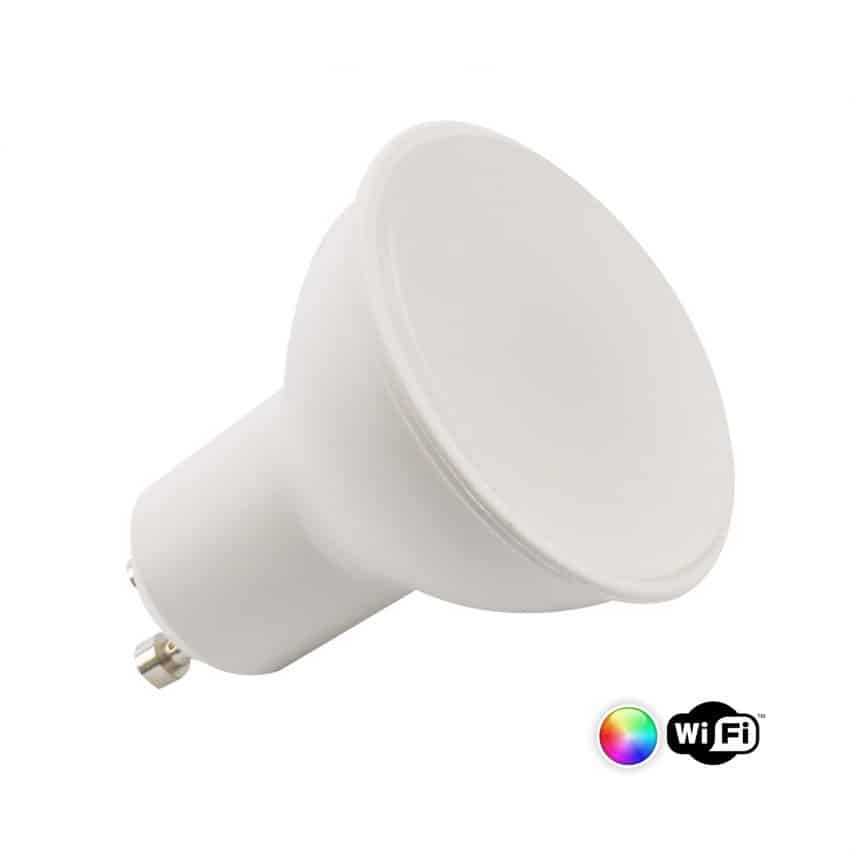
Begin with smart bulbs if you want minimal installation effort. The 4W GU10 Smart WiFi Dimmable RGBW LED Bulb from Ledlam offers full-spectrum colour control, dimming, and compatibility with Alexa and Google Home.
If you want to expand beyond a few bulbs, consider a smart switch for a high-traffic area. Smart switches control all bulbs on that circuit without requiring individual bulb upgrades.
For homes planning broader automation, a central hub like the Gateway Hub for 1100DRP Smart LED Downlight provides local network management and advanced scheduling. At £59.99, it enables more sophisticated automation than standalone bulbs or switches alone.
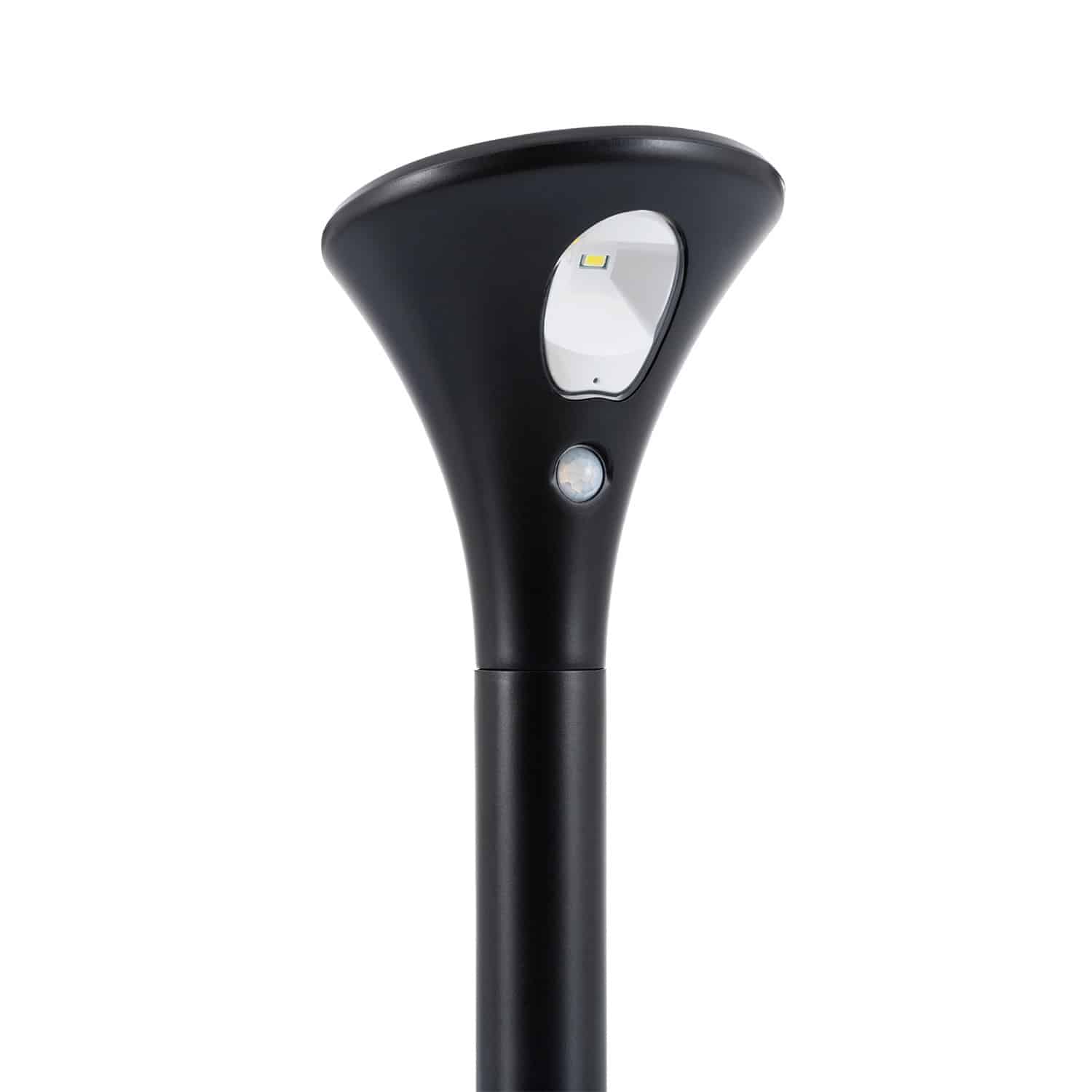
Motion-activated lighting adds convenience without requiring app interaction.
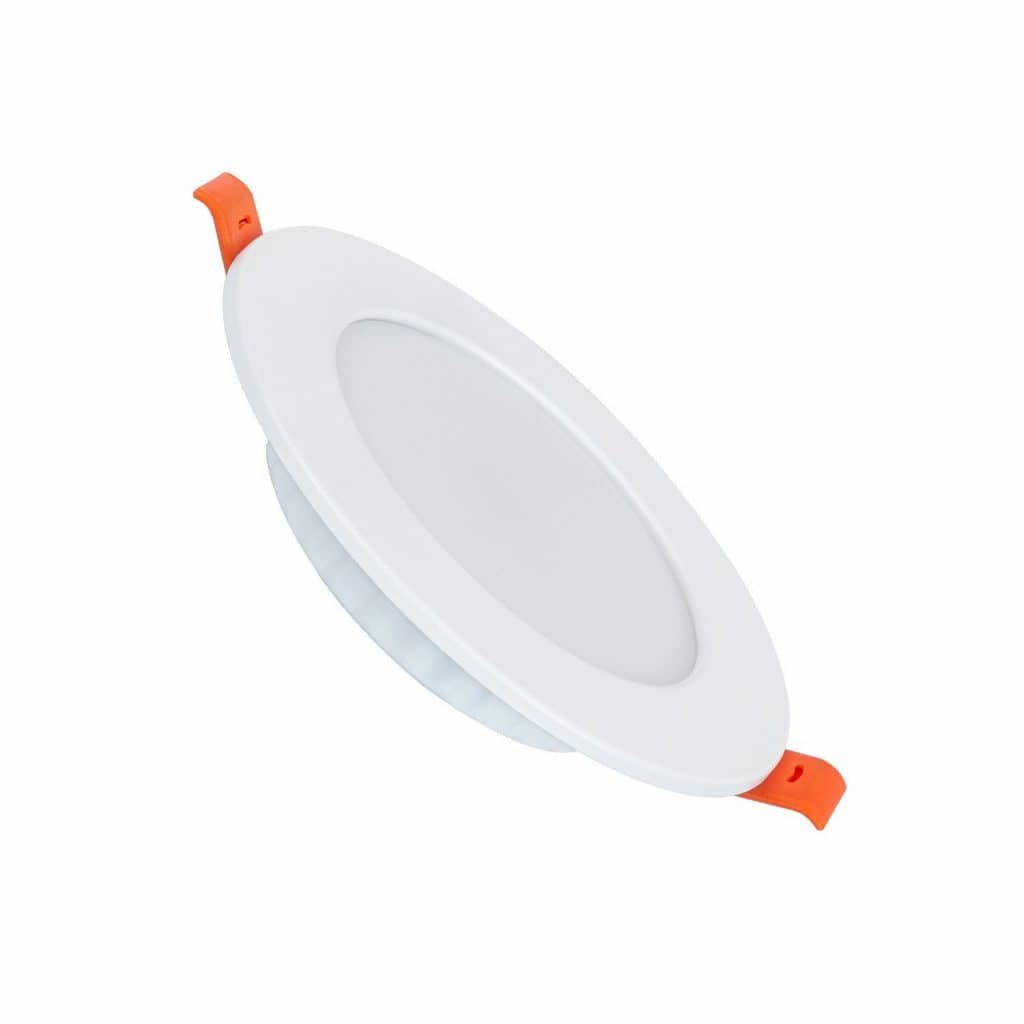
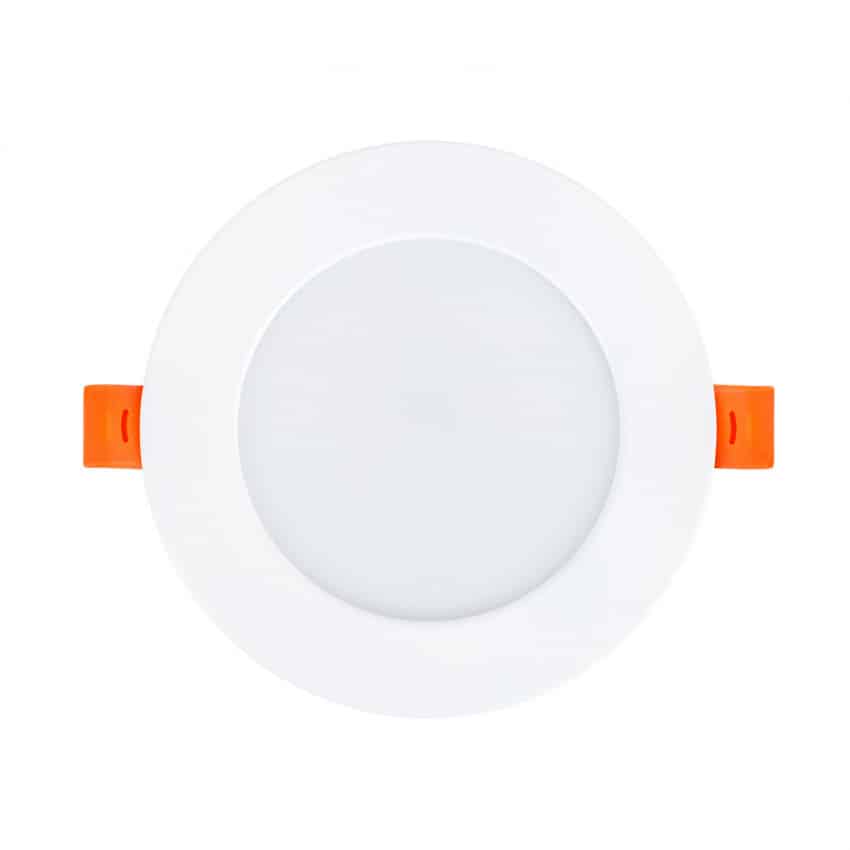
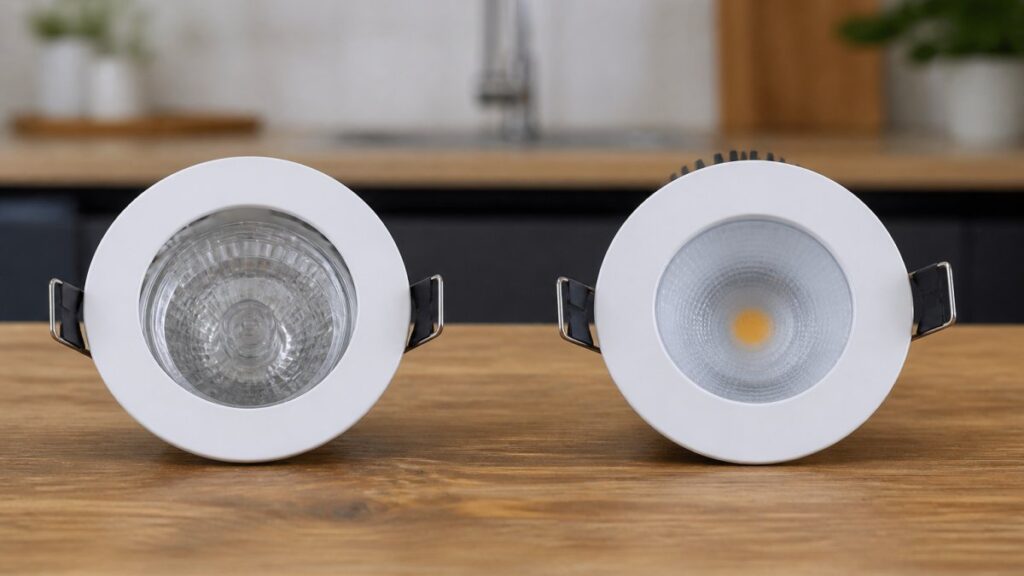
For downlight replacements, the Ledlam Downlight LED 5W Tilt 500DPD 3-STEP Dimmable at £7.99 offers straightforward dimming without Wi-Fi complexity. Three brightness levels (100%, 50%, 10%) cover most everyday needs, and no app or hub is required.
Start with one solution, live with it for a few weeks, then expand based on what you learn. Smart lighting that matches your actual behaviour patterns will deliver satisfaction and energy savings.
Smart lighting in your home works best when it solves real problems rather than adding complexity. Whether you choose Wi-Fi-connected bulbs, local control systems, or a combination of both, the key is matching the technology to your needs.
Frequently Asked Questions
What are the main benefits of smart lighting at home?
Smart lighting offers energy savings of up to 80% compared to traditional halogen bulbs, remote control via smartphone or voice commands, customisable brightness and colour temperature, and automation that adjusts lighting based on time of day or occupancy. You can also create different moods and scenes for various activities, from bright task lighting in kitchens to warm ambient lighting in living areas.
Do smart bulbs work without Wi-Fi?
Some smart lighting systems operate without Wi-Fi using local wireless protocols like RF (radio frequency) remotes or Zigbee networks. These options work independently of your broadband connection, making them reliable if your internet goes down. However, Wi-Fi-enabled smart bulbs offer broader features like remote access when away from home and voice assistant integration with Alexa or Google Home.
What’s the difference between smart bulbs and smart switches?
Smart bulbs replace your existing bulbs and offer individual control, colour-changing abilities, and scheduling directly from your phone. Smart switches control all bulbs in a fixture simultaneously and work with standard bulbs, making them ideal for upgrading existing lighting without replacing every bulb. Smart switches are often more cost-effective for controlling multiple lights, whilst smart bulbs provide greater flexibility and colour options.
Can smart lights really save money on my electricity bills?
Yes. Smart LED bulbs use approximately 10% of the energy of traditional 50W halogen downlights whilst producing equivalent brightness. Combined with automation features that turn lights off when rooms are unoccupied or dim them during daylight hours, you can reduce lighting energy consumption significantly. The savings accumulate faster if you replace multiple fixtures across your home.
