












Warm White vs Cool White: Which LED Colour Temperature Should You Choose?
For most homes, choose 2700K–3000K warm white in living rooms and bedrooms, and 4000K cool white for kitchens, bathrooms, utility rooms and work areas. 6000K daylight gives a much cooler, bluer appearance and is usually best reserved for outdoor security or specialist task lighting rather than everyday living spaces.
Warm white vs cool white: at a glance
| Colour temperature | Kelvin range | Appearance | Best rooms and uses | Typical products |
|---|---|---|---|---|
| Warm white | 2700K–3000K | Soft, yellow-white glow | Living rooms, bedrooms, dining areas and hospitality spaces | LED bulbs, GU10 lamps and decorative lighting |
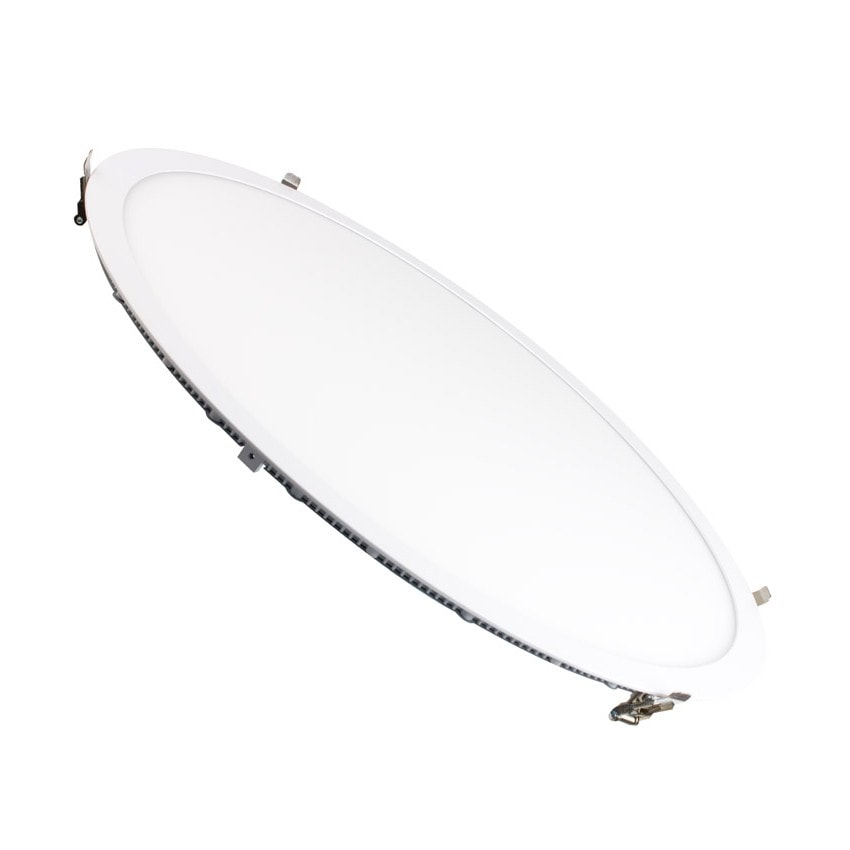
| Cool white | Around 4000K | Clean, neutral-white light | Kitchens, bathrooms, utility rooms, offices and shops | GU10 bulbs, downlights and LED panel lights |
| Daylight | Around 6000K–6500K | Crisp, noticeably blue-white light | Outdoor security, workshops and specific task areas | Security and flood lights |
Labels can vary between brands, so check the Kelvin figure on the packaging rather than relying on “warm”, “cool” or “daylight” alone.
What does Kelvin mean?
Kelvin (K) describes the colour appearance of a light source, not how hot the bulb gets. Lower numbers look warmer and more yellow; higher numbers look cooler and bluer. That’s why 2700K feels cosy, while 4000K looks cleaner and more neutral.
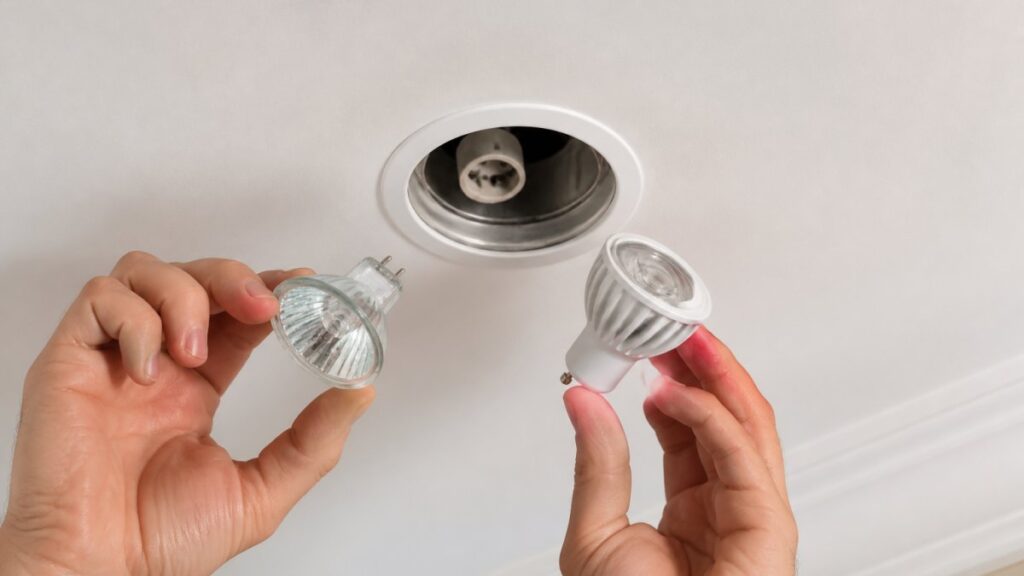
Colour temperature is different from brightness. Lumens tell you how much light a lamp produces; watts tell you how much electrical power it uses. When replacing a bulb, compare lumens and check the fitting and beam angle as well as the colour temperature. For example, a 5W LED GU10 typically replaces a 50W halogen GU10 and produces roughly 400–450 lumens, though outputs vary by model.

Which colour temperature suits each room?
- Living room: Choose 2700K or 3000K for a relaxed feel. Warm white LED bulbs work well with lamps, ceiling lights and accent lighting — table lamps and floor lamps are easy ways to layer warmer light. If you prefer a fresher, less yellow look, try 3000K.
- Bedroom: 2700K is a popular choice for a calm atmosphere, particularly for bedside lamps and evening use.
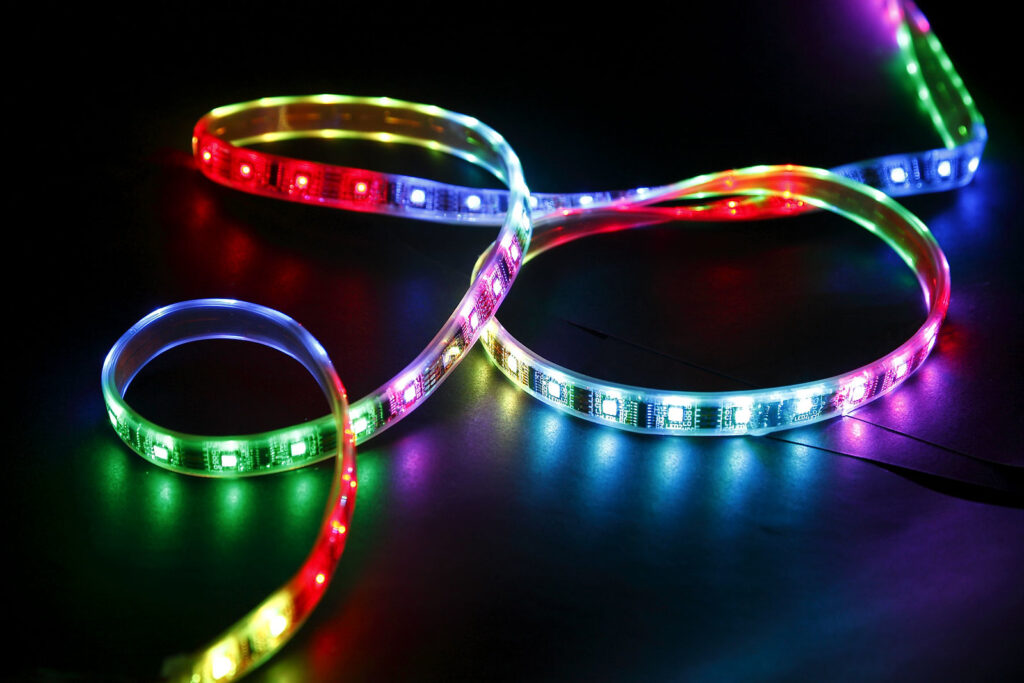
- Kitchen: 3000K gives a welcoming but practical general light; 4000K looks crisper and can suit modern kitchens or busy worktops. If you’re weighing up the best LED colour temperature for a kitchen, consider how you use the room and whether you have separate task lighting. Our LED strip lights work well under cabinets for task lighting.
- Bathroom: 3000K is a comfortable choice for general lighting. 4000K can be useful around a mirror for tasks such as shaving or applying make-up — our mirror lights suit this. When choosing LED bulbs for a bathroom, also check that the fitting’s IP rating is suitable for its position and exposure to water. Bathroom zones have specific electrical requirements, so follow the fitting instructions and use a qualified electrician where needed.
- Home office: 4000K can give a clear, neutral appearance for desk work — see our desk lamps. Use a suitable task light too; colour temperature alone does not determine how well-lit your work surface is.
- Hallway and stairs: 2700K–3000K usually makes these transition spaces feel welcoming. Keep adjoining areas in mind so the change in light colour is not too abrupt.
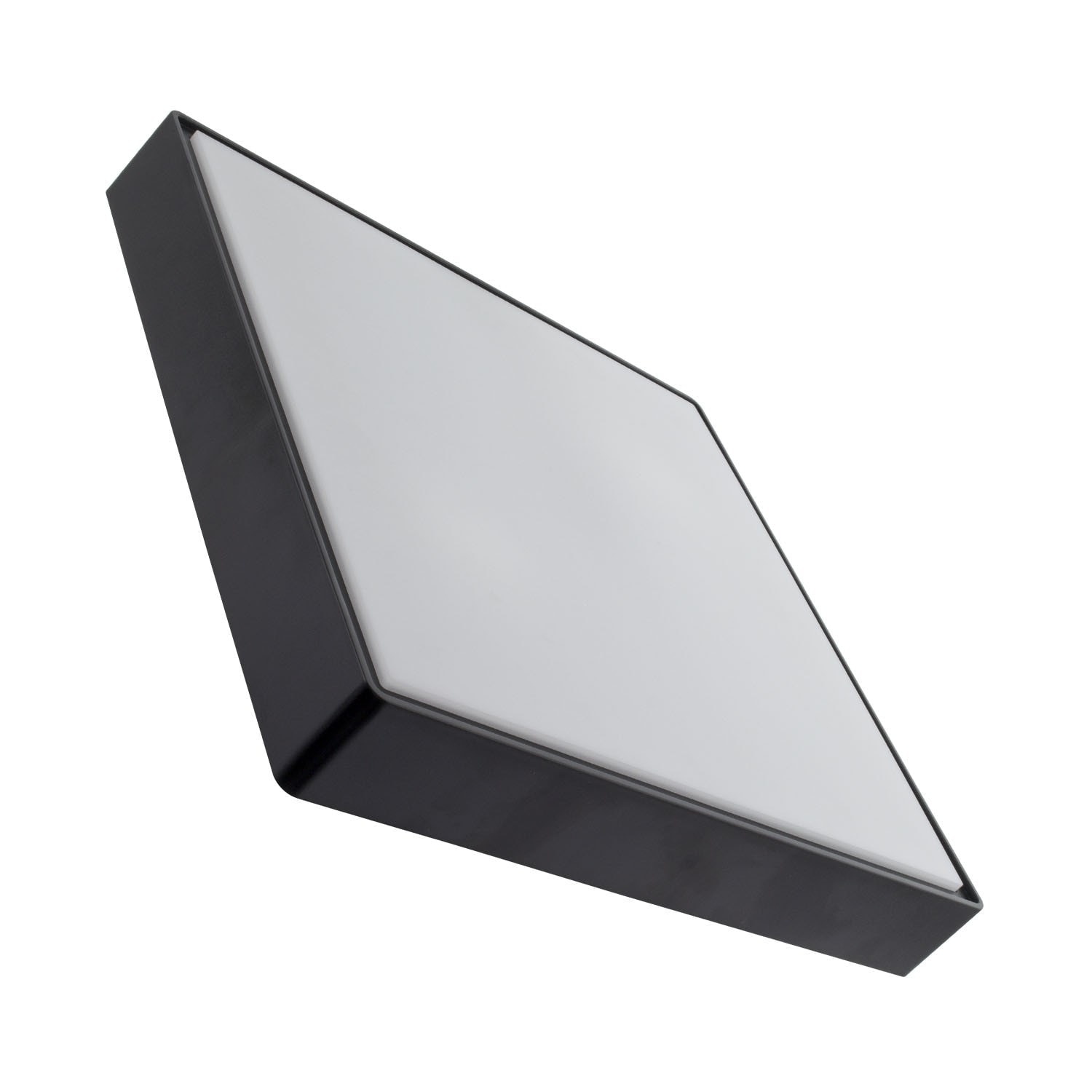
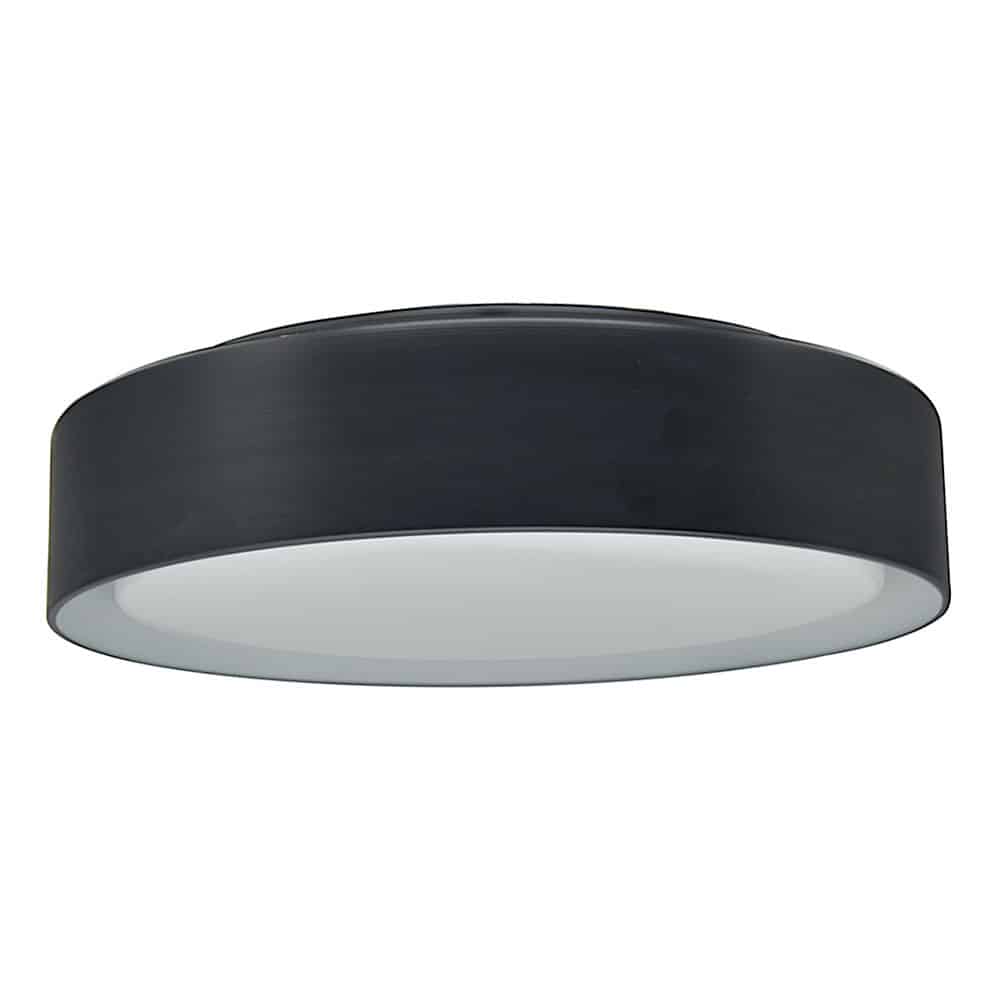
- Shop or retail space: Choose a temperature that suits the products and atmosphere. 3000K can feel inviting; 4000K gives a cleaner, more neutral appearance. Check colour rendering too if accurate product colours matter. Our commercial LED panel lights are available in both temperatures.
- Office or warehouse: 4000K is a common practical option for general work lighting. Consider the task, fitting layout and required light levels as well as the colour.
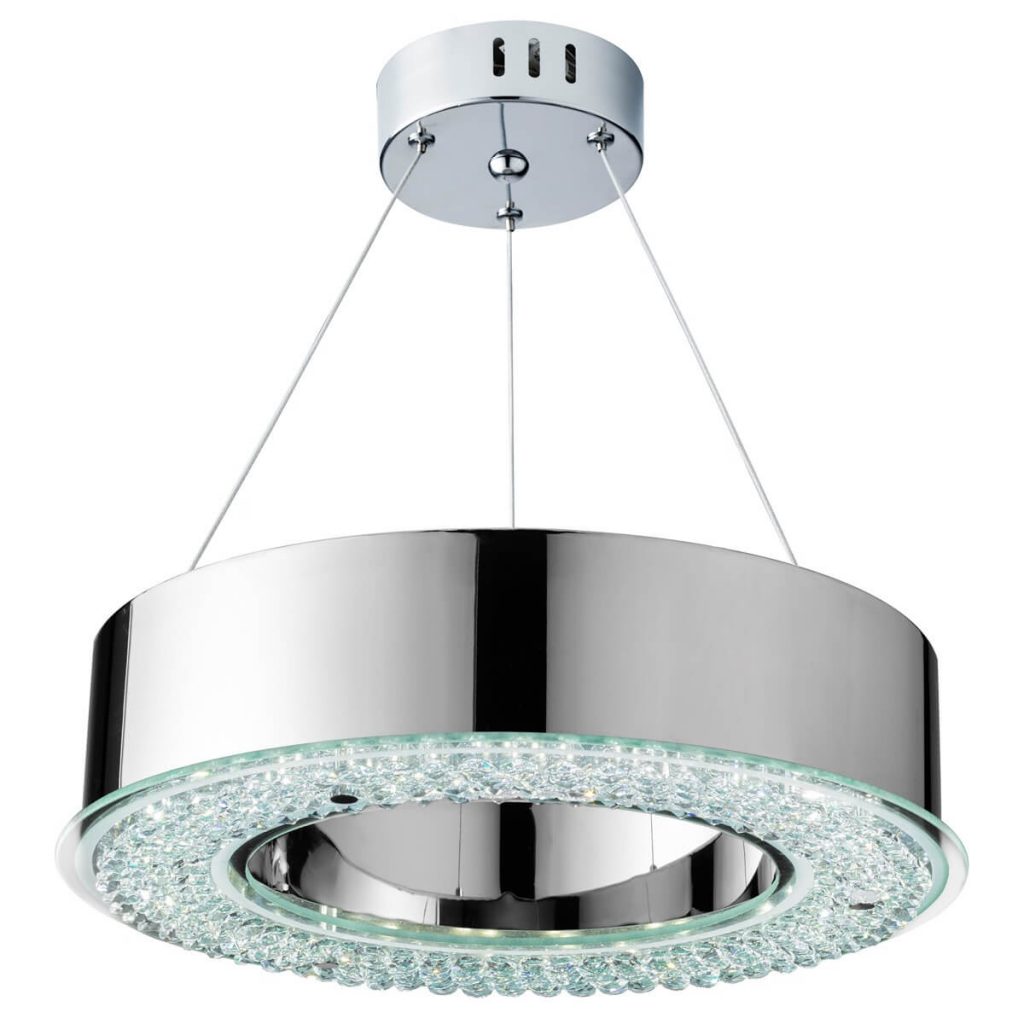
- Pub or restaurant: Warm white, typically 2700K–3000K, helps create a relaxed, intimate atmosphere — decorative wall lights on warm white dimmable lamps work well. Separate task lighting can provide extra visibility where needed.
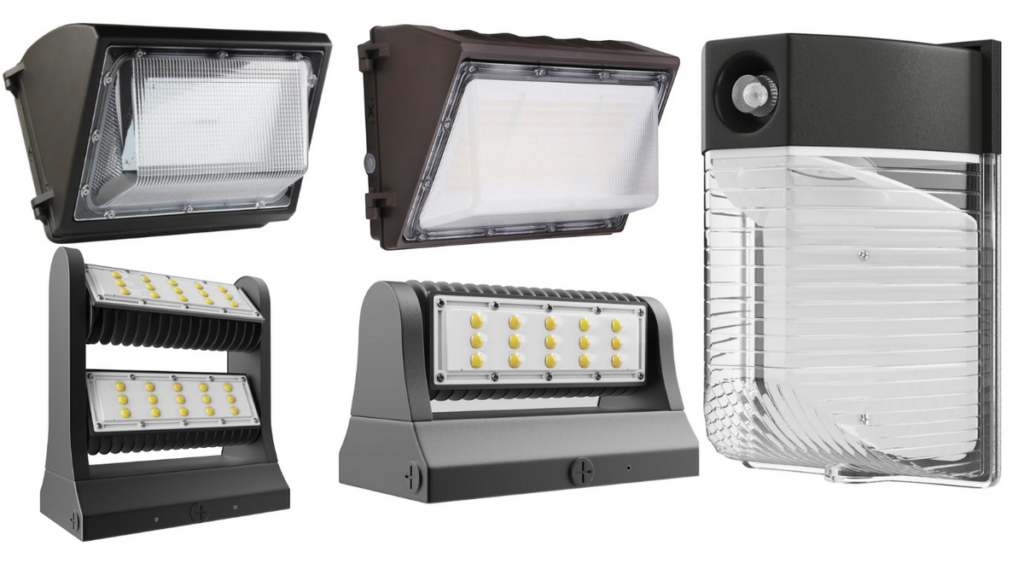
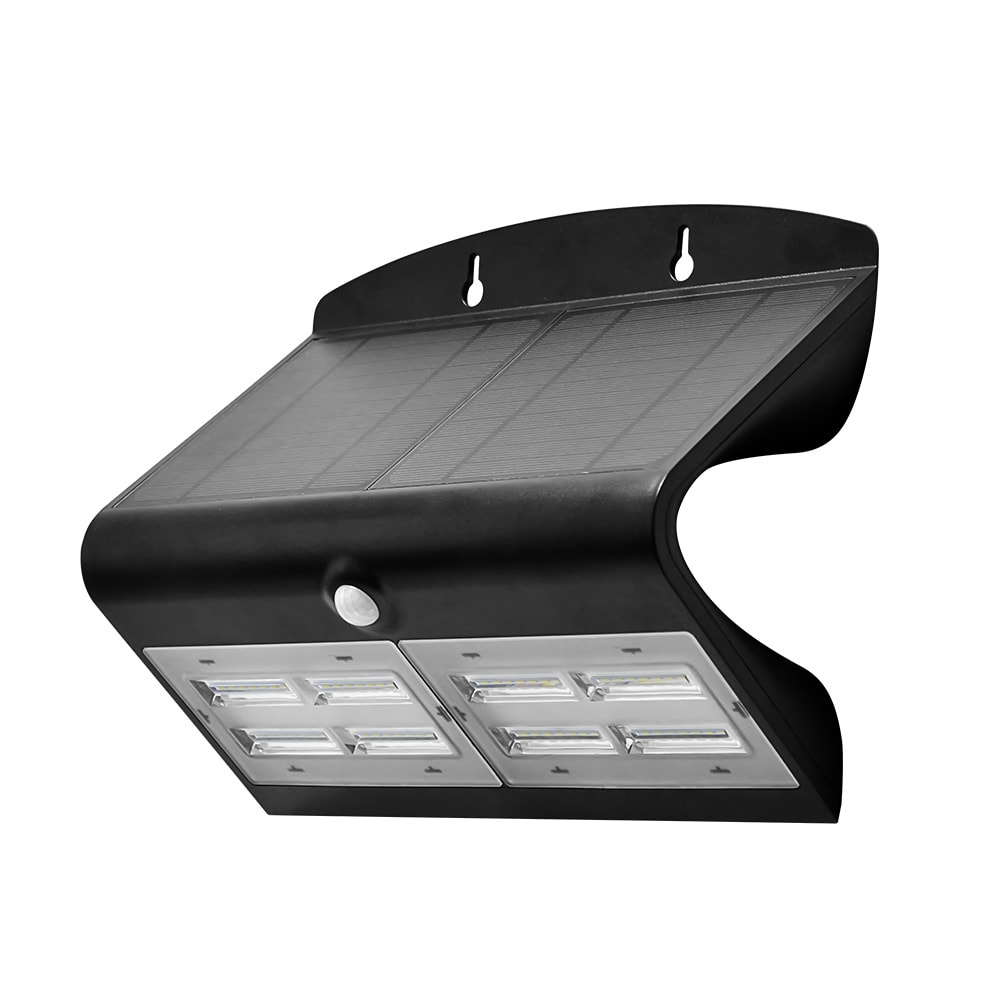
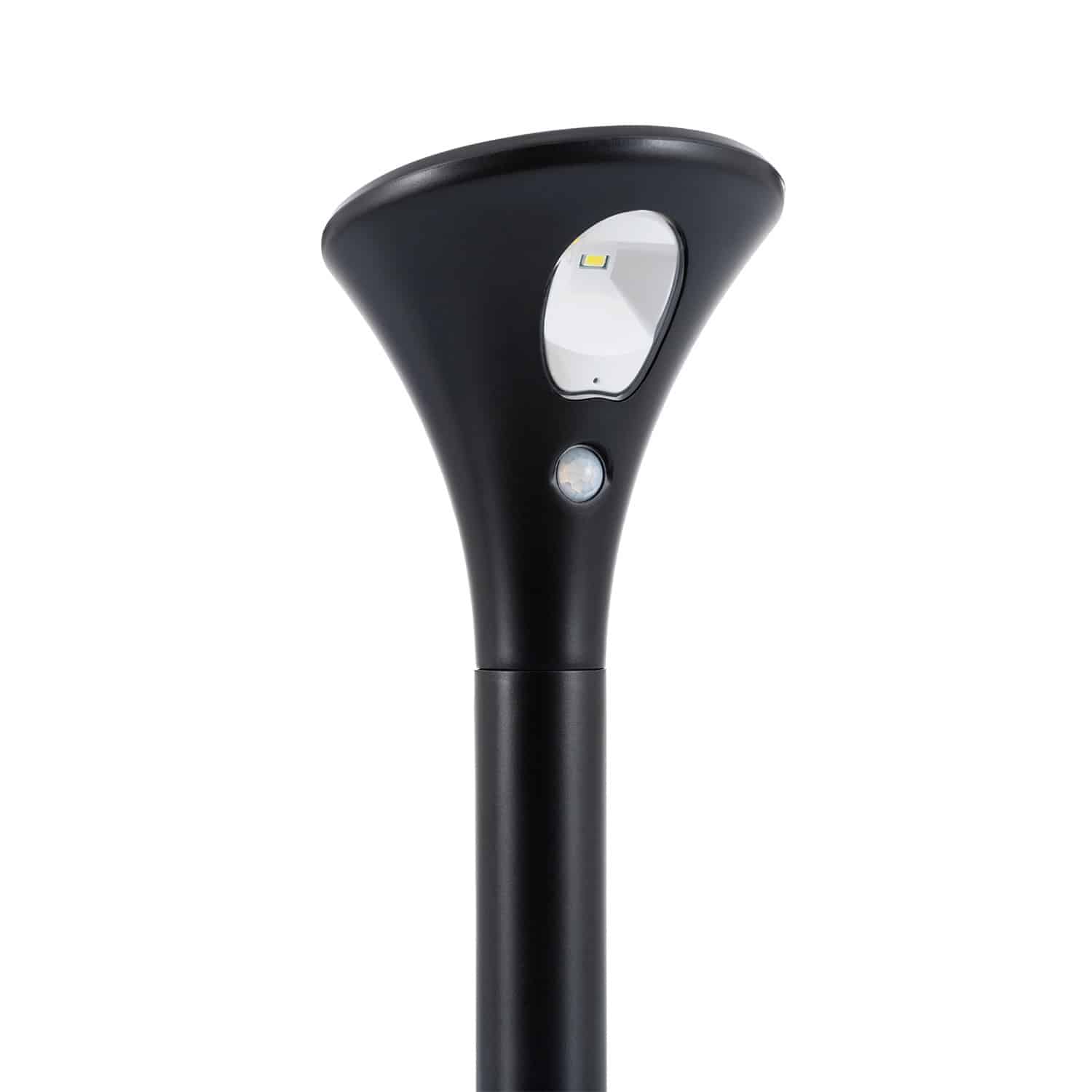
- Outdoor and security lighting: 4000K–6000K gives a cooler, crisp appearance. Our outdoor LED flood lights and outdoor wall lights typically come in cooler temperatures suited to security and entrances.

Warm white vs cool white vs daylight
In everyday terms, warm white is the cosiest option, cool white is more neutral, and daylight is the bluest of the three. The difference between 3000K vs 4000K is noticeable: 3000K still feels warm, while 4000K is closer to a clean white. The right colour temperature LED depends on the mood you want, the task and the other lighting in the room.
Be aware that colour labels aren’t used consistently. One brand may describe a product around 4000K as “cool white”, while another may call it “neutral white”. Compare the Kelvin rating when you want a closer match.
Replacing an old bulb? How to check its colour
Before ordering a replacement, look for the colour temperature on the old bulb’s packaging, the lamp body or its fitting label. It may be printed as a Kelvin number, such as 2700K or 4000K.
You might also see a three-digit code such as 827, 830, 840 or 865. These commonly indicate a colour rendering range followed by an approximate colour temperature: 827 is around 2700K, 830 around 3000K, 840 around 4000K and 865 around 6500K. Codes and labels can differ, so use the packaging or product information where available.
If there’s no label, switch on the old bulb and note its appearance. A yellowish, candle-like glow is likely warm white; a cleaner white may be around 4000K. This is a useful guide, but it won’t tell you the exact rating. LED light can also look different from halogen because of differences in the lamp, optics and colour rendering.

Can you mix colour temperatures in one room or circuit?
You can use different colour temperatures in one room, but visible bulbs with different colours can make the lighting feel inconsistent. For a neat, balanced look, use the same Kelvin rating across lamps in the same fitting or across a ceiling-light layout.
Mixing can work when it’s intentional, for example, warmer ambient lighting with a cooler task light. You can also have different colour temperatures on one circuit, provided the products and installation are suitable. Remember that they will switch on together, so the contrast will remain visible. A dimmer does not automatically make different-colour bulbs match; check that every lamp is dimmable and compatible with the dimmer. If you’re planning a dimmable setup, our dimmable LED GU10 spot lights pair with suitable dimmer switches.
Does colour temperature affect brightness or energy use?
No. A bulb’s colour temperature describes whether its light looks warm or cool; it does not tell you how bright it is or how much energy it uses. Lumens indicate light output, while watts indicate power consumption. Colour rendering, often shown as CRI or Ra, is a separate measure of how accurately colours appear under the light.
Frequently asked questions
Is 4000K too bright or white for a living room?
Not necessarily, but it will look less warm than 2700K–3000K. If you want a relaxed living-room atmosphere, start with warm white; choose 4000K if you prefer a cleaner, more neutral look.
What is 3000K warm white?
3000K is a warm-white light with a slightly cleaner appearance than 2700K. It’s a useful middle ground when you want warmth without a strongly yellow tone.
Is cool white better for bathrooms?
It can be useful for mirror and task lighting, but it isn’t automatically better for the whole room. Many people choose 3000K for general bathroom lighting and 4000K at the mirror. Always check the fitting’s suitability and IP rating for its location.
Do LED colour temperatures look the same as halogen?
Not always. A warm-white LED can be a close match for a halogen lamp, but the result also depends on the LED’s design, colour rendering and fitting. Check the Kelvin rating and, if matching matters, replace one lamp first to see how it looks in your room.
Shop warm white and cool white LEDs at Ledlam
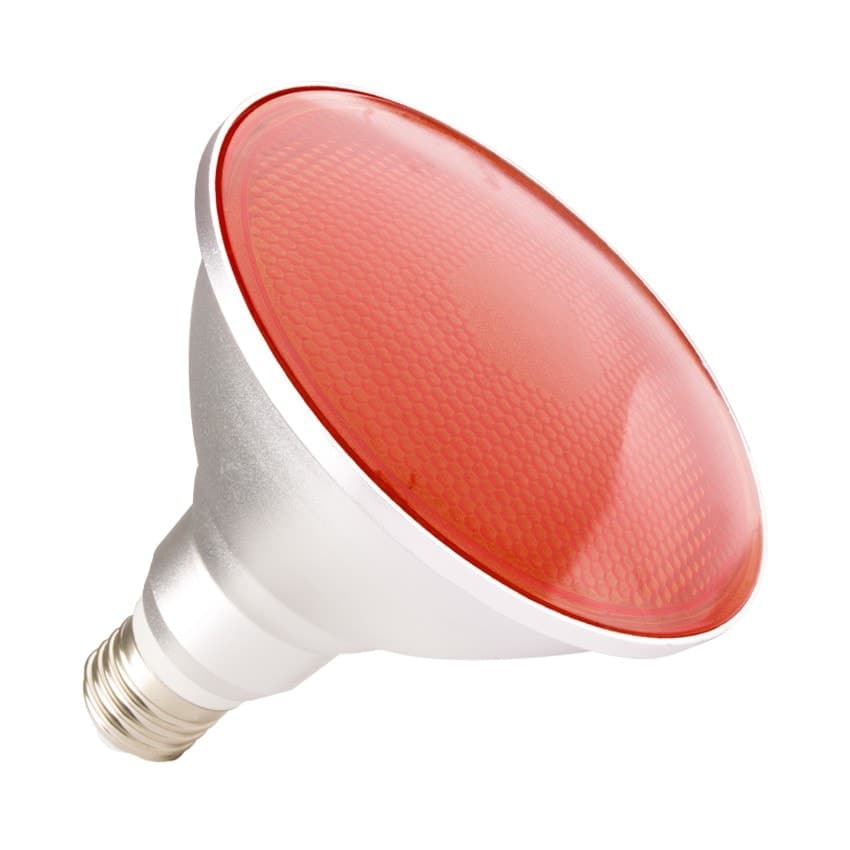
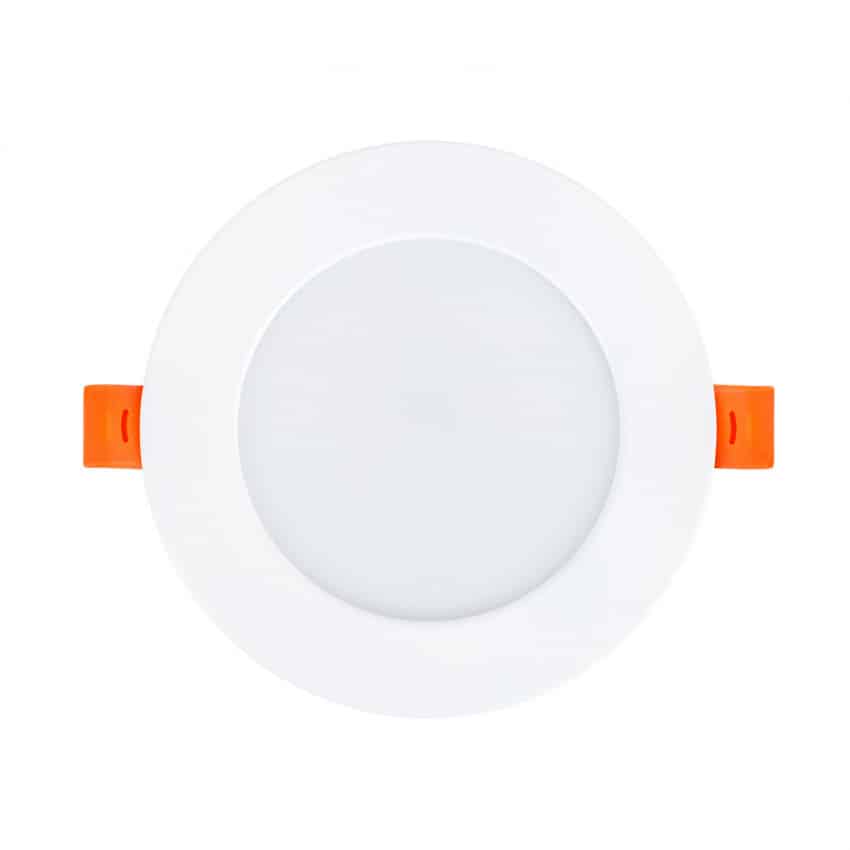
Ready to choose? Shop LED bulbs at Ledlam. Browse our full range of LED bulbs, including warm white GU10 LED spot lights for living rooms and kitchens, plus LED panel lights in both 3000K and 4000K for commercial spaces.
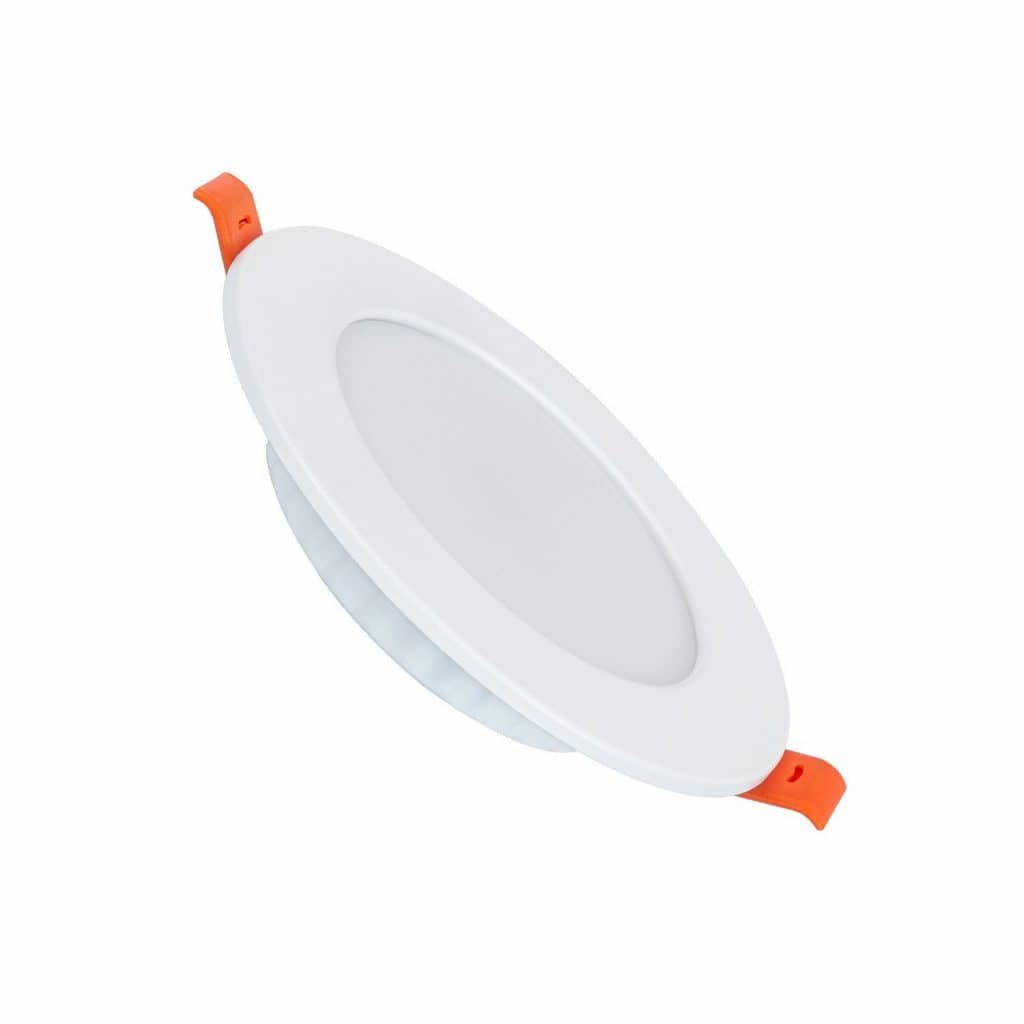
Explore our LED lighting range for the complete picture: downlights for living areas, LED strip lights for task and accent lighting, and dimmable LED bulbs if you want flexibility. Pair any dimmable lamp with a compatible dimmer switch.
Trade and public customers are all welcome, with free UK delivery on qualifying orders over £75. Prefer to see the light for yourself? Visit our Basildon shop to compare colour temperatures in person before you buy.
Related reading
For more buying guidance, read 9 LED lighting facts every UK buyer should know on the Ledlam blog.