











Alternatives to Standard Halogen Spotlights
Table of Contents
- Why Replace Halogen Spotlights with LED Alternatives
- GU10 LED Bulbs: The Direct Halogen Replacement
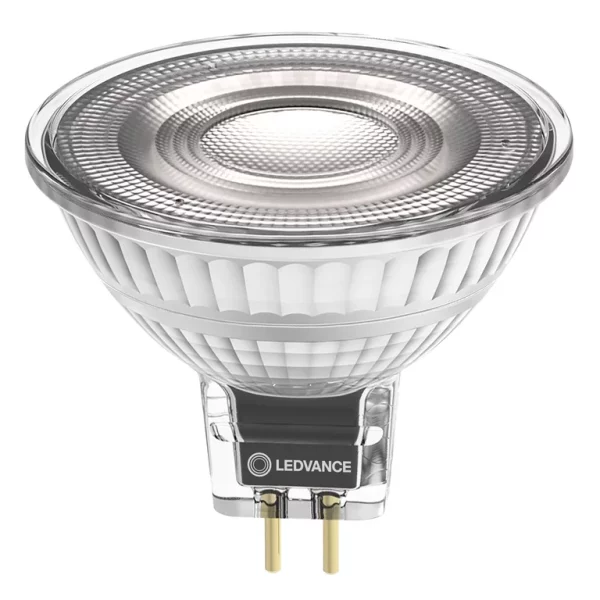
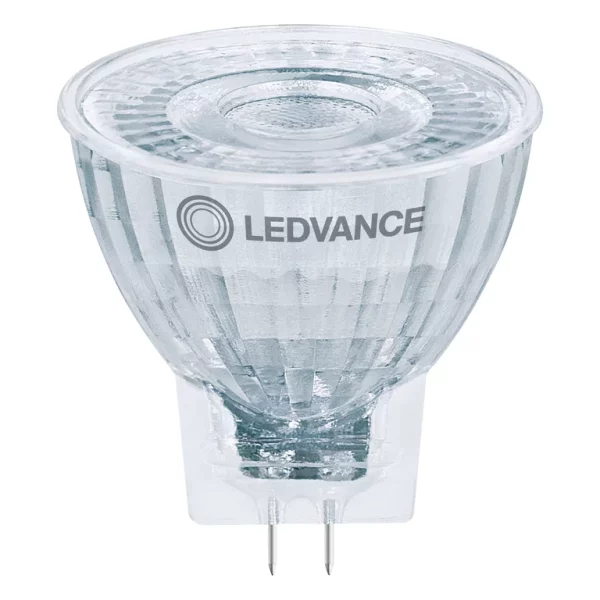
- MR16 LED Bulbs: Low-Voltage Spotlight Solutions
- LED Spotlight Brightness and Lumens: What You Need to Know
- LED Spotlight Dimmer Compatibility: Getting Flicker-Free Performance
- Integrated LED Downlights: A Permanent Alternative
- Comparison: Key Differences Between LED Spotlight Types
- Frequently Asked Questions
Last Updated: 12 October 2026
Why Replace Halogen Spotlights with LED Alternatives
Halogen spotlights have been the standard choice for decades, but they’re energy-hungry and short-lived. Switching to alternatives to standard halogen spotlights cuts energy consumption dramatically whilst delivering comparable or superior light quality. Most people discover this only when they’re frustrated by frequent bulb replacements or climbing energy bills, but there’s a better way forward.
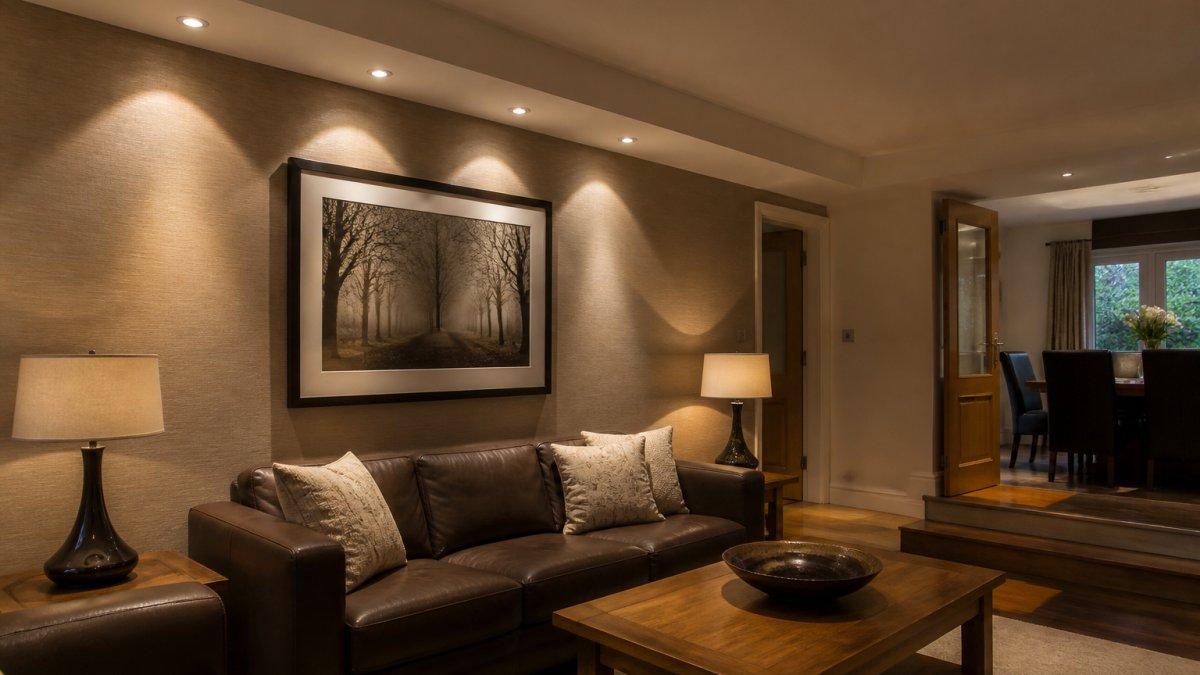
LED alternatives address the core frustrations with halogen. They run cooler, last far longer, and consume a fraction of the power. If you’ve got GU10 sockets or low-voltage MR16 systems, direct replacements exist. If you’re planning a more permanent upgrade, integrated LED downlights offer seamless installation without rewiring.
The key question isn’t whether to switch, it’s which alternative fits your setup. That depends on your existing fittings, whether you need dimming control, and whether you want a temporary replacement or a permanent retrofit. We’ve covered all three scenarios below.
GU10 LED Bulbs: The Direct Halogen Replacement
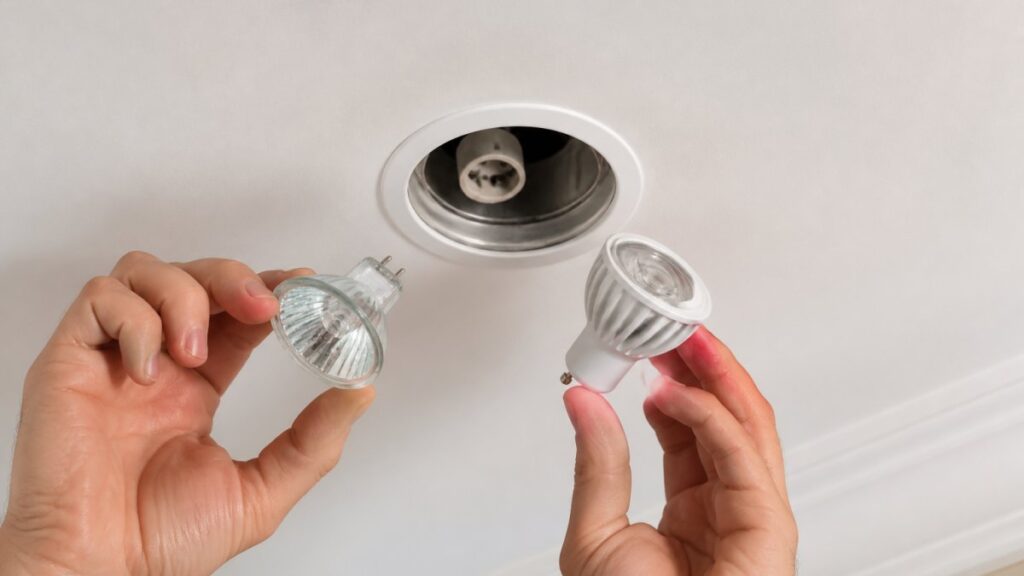
GU10 LED bulbs are the most straightforward alternatives to standard halogen spotlights for homes with standard mains-voltage ceiling fittings. They fit directly into existing GU10 sockets with no rewiring, no transformer, and no electrician needed. Unscrew the old halogen, screw in the new LED, and you’re done.

The brightness match is genuine. A 5W GU10 LED replaces a 50W halogen with comparable light output. Energy savings are immediate and substantial, you’ll see the difference on your next electricity bill. The lifespan difference is equally dramatic: where halogen lasts around 2,000 hours, LED lasts 30,000 hours or more. That’s the difference between replacing a bulb every few months and replacing it once a decade.
Two options cover most installations: standard non-dimmable bulbs for fixed brightness, and dimmable versions for flexible lighting control.
GU10 LED Spot Light 5W 500SPG: Standard Option
The GU10 LED Spot Light 5W 500SPG is the straightforward choice when you don’t need dimming. At £2.99 per bulb, it’s one of the most affordable alternatives to standard halogen spotlights on the market. The frosted glass cover delivers smooth, shadow-free light without visible LED chips, it looks like a proper spotlight, not a budget retrofit.
This bulb uses a high-quality SMD LED chip housed in a glass reflective cup, which ensures even light distribution across the beam. It’s instant-on (no warm-up delay), mercury-free, and runs cool enough to touch immediately after switching on. For kitchens, living rooms, and accent lighting where you want consistent brightness, this is the reliable workhorse.
The trade-off: you can’t dim it. If your room has a dimmer switch, this bulb won’t respond to it, it’ll either be fully on or fully off, defeating the purpose of the dimmer. That’s where the dimmable version enters.
GU10 LED Spot Light 5W 620SPD: Dimmable Option
The GU10 LED Spot Light 5W 620SPD dimmable costs more at £5.99, but it works with standard LED dimmer switches. If your existing halogen spotlights are on a dimmer, this is the right replacement, it’ll dim smoothly without flickering.

The dimmable version uses the same SMD LED chip and glass reflective cup as the standard model, so light quality is identical. The difference is internal: it includes dimming circuitry that lets you adjust brightness from full to 10% without the flicker that plagues cheaper dimmable LEDs. Smooth dimming matters more than most people realise, flickering lights cause eye strain and look cheap, even if the bulb itself is decent.
Both GU10 options deliver the same energy savings and lifespan, so your choice comes down to whether you need dimming control.
MR16 LED Bulbs: Low-Voltage Spotlight Solutions
MR16 LED bulbs are for low-voltage systems, the kind that require a transformer. If your spotlights are on a 12V transformer (common in kitchens, bathrooms, and accent lighting), MR16 is your fitting. These bulbs look identical to halogen MR16s and fit the same sockets, but they need a compatible transformer to work properly.

This is where many people encounter problems. Old halogen transformers sometimes work with LED MR16 bulbs, but not reliably. Incompatible transformers can cause flickering, buzzing, or premature bulb failure. The safest approach is to use an LED-compatible transformer, which ensures stable power delivery and protects your investment.
Transformer Compatibility and Installation
Before buying MR16 LED bulbs, check your existing transformer. If it’s labelled for halogen only, or if you’re unsure, assume it needs replacement. LED-compatible transformers are designed to handle the lower power draw and different electrical characteristics of LED bulbs. They’re not expensive, and they eliminate the guesswork.
When you install new MR16 LEDs with a compatible transformer, you’ll notice the same energy savings as GU10: roughly 88-90% less power than halogen, with lifespan extended to 30 times longer. The light quality matches halogen closely, smooth, warm, and shadow-free, thanks to the frosted cover and reflective cup design.
Ledlam stocks both MR16 LED Spot Light 6W 600SV 12V and MR16 GU5.3 LED Spot Light 5W 12V COB 500SPG at £4.99. Both are 50W equivalent replacements with dimmable capability when paired with an LED-compatible dimmer.
Watch Out
Never assume an old halogen transformer will work with MR16 LEDs. Incompatible transformers may damage the bulbs and void the warranty. When in doubt, upgrade to an LED-compatible transformer.
LED Spotlight Brightness and Lumens: What You Need to Know
Brightness in spotlights is measured in lumens. The more lumens, the brighter the light. When comparing alternatives to standard halogen spotlights, lumen output is your most reliable measure of actual brightness, not wattage.
GU10 LED Spot Light 5W 500SPG →
A 50W halogen spotlight produces roughly 450-500 lumens. A 5W LED spotlight produces similar lumens, which is why the energy saving is so dramatic. You’re getting equivalent brightness from one-tenth the power. This isn’t a compromise, it’s physics working in your favour.
Colour temperature also affects how bright a light appears. Warm white (2700K) looks softer and slightly dimmer than cool white (4000K or 5000K), even at the same lumen output. For living spaces, warm white feels more natural. For kitchens and bathrooms, cool white provides better task lighting and makes colours appear more accurate.
Pro Tip
When replacing halogen spotlights, match the colour temperature of your existing bulbs. If you’re unsure, 2700K (warm white) works in most home settings and closely matches the warm tone of halogen.
LED Spotlight Dimmer Compatibility: Getting Flicker-Free Performance
Dimmer switches are where many LED retrofits fail. Standard incandescent dimmers use a technique called phase-cutting to reduce brightness. LEDs require different electrical characteristics, and incompatible dimmers cause flickering, buzzing, or buzzing without dimming at all.
The solution is straightforward: use a dimmer switch rated for LEDs. These switches are designed for the low power draw and rapid switching speed of LED bulbs. They’re not significantly more expensive than standard dimmers, and they eliminate flicker entirely.
If you already have a standard dimmer installed, you have two options. First, replace it with an LED-compatible dimmer. Second, use non-dimmable LED bulbs and accept that you can’t adjust brightness. The second option is cheaper upfront but less flexible.
Dimmable LED spotlights from Ledlam (like the GU10 620SPD and MR16 models) work smoothly with LED dimmers. They’ll also work with some older dimmers, but compatibility isn’t guaranteed. If you’re uncertain, test with one bulb first, if it flickers, the dimmer isn’t compatible.
Integrated LED Downlights: A Permanent Alternative
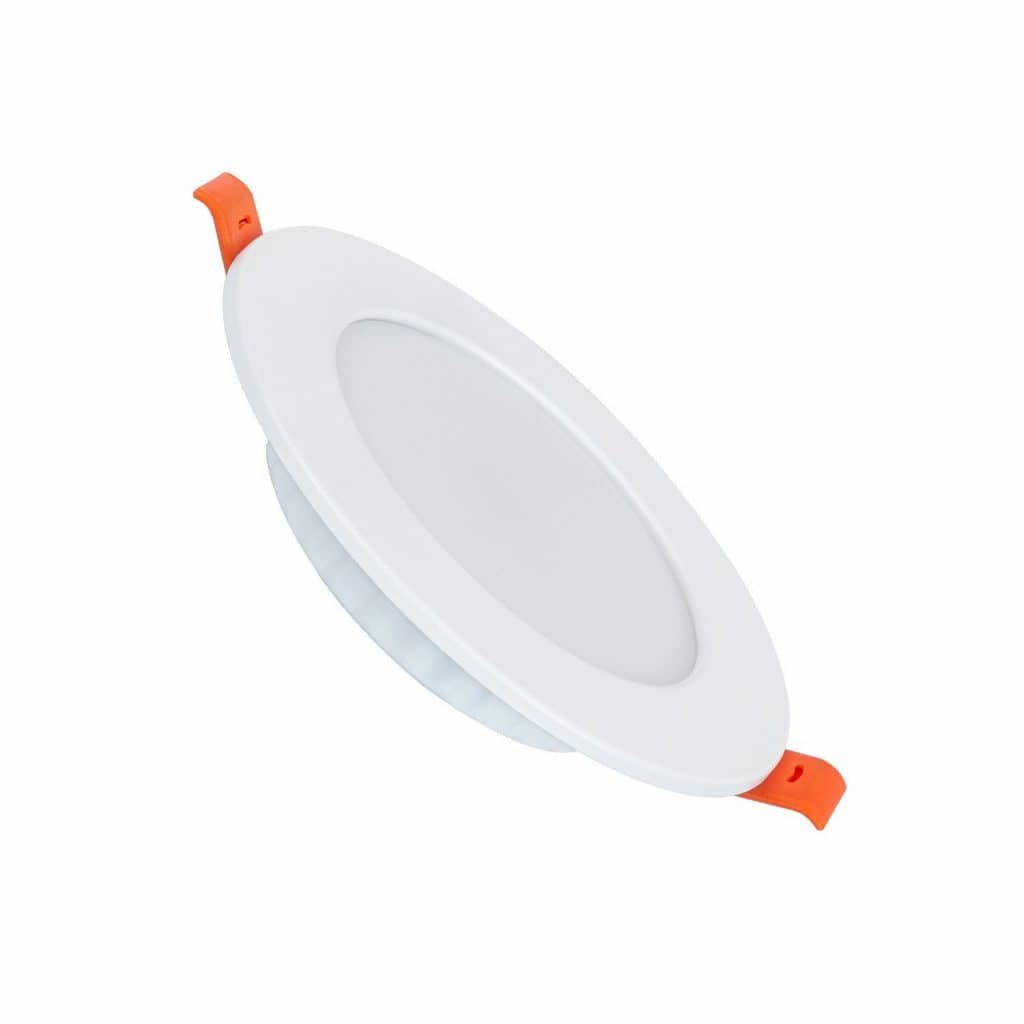
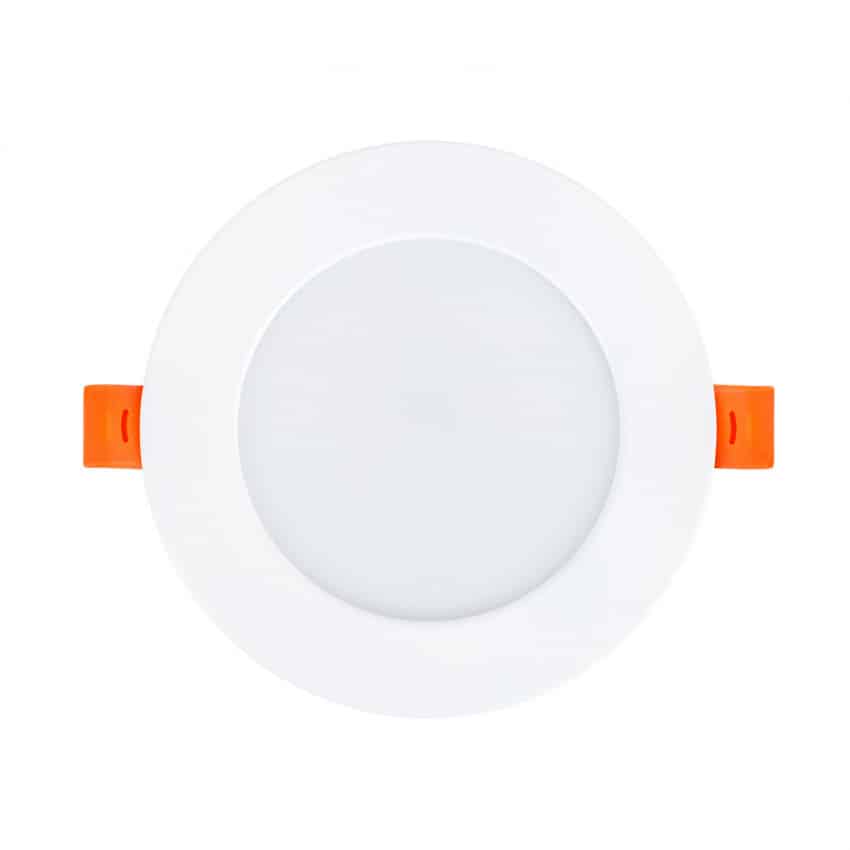
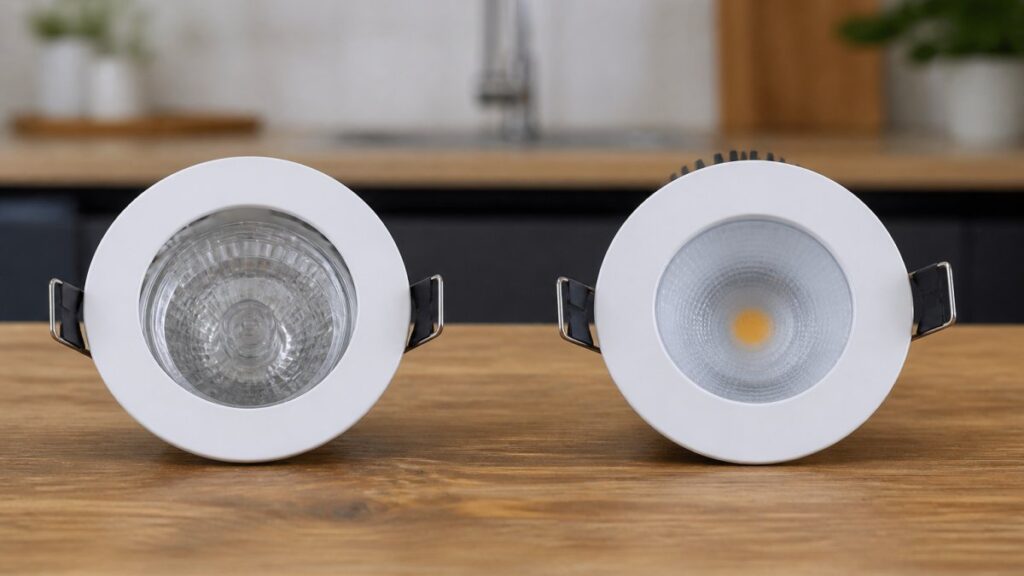
Integrated LED downlights are the most thorough alternative to halogen spotlights. Instead of replacing just the bulb, you replace the entire fitting. The LED, driver, and housing are all built-in as one unit. This approach eliminates transformer compatibility issues entirely and offers superior light quality.
The Ledlam Downlight LED 5W Tilt 500DPD 3-STEP Dimmable is an example. It fits into a standard 71mm ceiling cutout and includes a built-in driver, no external transformer needed. The 3-STEP dimming feature is clever: you don’t need a separate dimmer switch. Turn the light off, then back on within a few seconds, and it steps through three brightness levels (100%, 50%, 10%). Turn off and on again to cycle through.
The tilt mechanism lets you adjust the beam angle by up to 30 degrees, directing light exactly where you need it. The brushed steel finish looks modern and clean. At £7.99 per unit (sold in sets of five), it’s a serious upgrade for anyone planning a lighting refresh.
Integrated downlights are ideal for renovations, new builds, or situations where you’re replacing multiple fittings at once. For a single replacement in an existing setup, a simple bulb swap is faster and cheaper.
Best For
Integrated LED downlights work best for complete lighting overhauls or new installations. For replacing one or two spotlights, GU10 or MR16 LED bulbs are simpler and more cost-effective.
Comparison: Key Differences Between LED Spotlight Types
| Option | Fitting Type | Installation | Dimming | Cost per Unit | Best For |
|---|---|---|---|---|---|
| GU10 LED (non-dimmable) | Mains voltage | Bulb swap only | No | £2.99 | Fixed brightness, quick retrofit |
| GU10 LED (dimmable) | Mains voltage | Bulb swap only | Yes, with LED dimmer | £5.99 | Flexible lighting control |
| MR16 LED | Low voltage (12V) | Bulb swap + compatible transformer | Yes, with LED dimmer | £4.99 | Accent lighting, existing 12V systems |
| Integrated LED downlight | Mains voltage | Full fixture replacement | Yes, 3-STEP built-in | £7.99 per unit | Complete lighting refresh |
The choice depends on your existing setup. If you have GU10 sockets, stick with GU10 LEDs, they’re the simplest and cheapest option. If you have MR16 on a 12V transformer, MR16 LEDs are the direct replacement, but confirm transformer compatibility first. If you’re planning a major update or installing new, integrated downlights offer the best light quality and fewest compatibility headaches.
Energy savings are consistent across all options: roughly 88-90% less power than halogen, with lifespan extended to 30 times longer. The practical difference is in convenience, flexibility, and upfront cost.
Switching from halogen spotlights doesn’t have to be complicated. A simple bulb replacement solves the problem for most homes. If you’ve got GU10 fittings, the GU10 LED Spot Light 5W 500SPG delivers reliable brightness at £2.99 per bulb. Need dimming? The GU10 LED Spot Light 5W 620SPD dimmable handles that smoothly at £5.99. For low-voltage systems, MR16 LED bulbs at £4.99 replace halogen with the same fitting. For a complete upgrade, our integrated LED downlights offer superior control and light quality. Check out our LED offers today and find the right alternative for your home, available online or at our Basildon Market shop.
Frequently Asked Questions
Can LED spotlights replace halogen spotlights without changing fittings?
Yes, in most cases. GU10 LED bulbs fit directly into existing GU10 halogen fittings with no rewiring needed. MR16 LED bulbs require a compatible LED transformer rather than the old halogen transformer, but the fitting itself stays the same. Integrated LED downlights require a new fitting installation. Check your current fitting type before purchasing to ensure compatibility.
How much energy do LED spotlight alternatives actually save compared to halogen?
LED spotlight alternatives use approximately 90% less energy than equivalent 50W halogen bulbs. A GU10 LED Spot Light 5W 500SPG delivers the same brightness as a 50W halogen bulb while consuming only 5W. Over a year, replacing multiple halogen spotlights with LEDs can reduce lighting electricity costs significantly, especially in homes with many spotlights.
What is the difference between GU10 and MR16 LED bulbs?
GU10 bulbs connect directly to mains voltage (230V) and fit standard UK household sockets. MR16 bulbs run on 12V and require a transformer, typically used in low-voltage lighting systems. GU10 is more common in modern homes, whilst MR16 is often found in older installations or specialist lighting setups. Choose based on your existing fitting type.
Will LED spotlights work with my existing dimmer switch?
Not all LED spotlights work with standard halogen dimmer switches. Many LED spotlights flicker or fail to dim properly on old dimmers. Dimmable LED spotlights like the GU10 LED Spot Light 5W 620SPD are designed for compatibility with LED dimmer switches. If you want dimming capability, purchase dimmable LED bulbs and consider upgrading to an LED-compatible dimmer switch to avoid flickering.
How long do LED spotlight alternatives last compared to halogen bulbs?
LED spotlights last approximately 30 times longer than halogen bulbs. A halogen spotlight typically lasts 1,000 to 2,000 hours, whilst LED alternatives can last 25,000 to 50,000 hours depending on the model. This means fewer replacements, lower maintenance costs, and more reliable lighting over time.
Replacing the lamp is usually the cheaper route than replacing the fitting. If your spotlights take a two-pin MR16 bulb, check the lamp holders range for the matching connector, and remember a GU10 fitting and an MR16 fitting are not interchangeable.