












How to Calculate Lumens for a Living Room
Quick Summary
To calculate lumens for a living room, multiply the target light level in lux by the room’s floor area in square metres. A relaxed living room often works well at 100 to 150 lux, so a 20 square metre room at 150 lux needs about 3,000 lumens in total.
- Measure length and width in metres, then multiply them to get the floor area.
- Use 100 to 150 lux for relaxed ambient light, and 300 to 500 lux for reading.
- Total lumens equal target lux multiplied by room area in square metres.
- Divide the total lumens between ambient, task and accent lighting rather than one bulb.
- Round up the number of fittings so the room does not end up dim.
Table of Contents
- Why Lumens Matter More Than Watts When Lighting a Living Room
- Step 1: Measure Your Living Room Area
- Step 2: Choose a Target Light Level in Lux
- Step 3: Work Out the Total Lumens for the Room
- Worked Example: A 20 Square Metre Living Room
- Step 4: Split the Lumens Across Ambient, Task and Accent Lighting
- Turning Total Lumens Into a Bulb and Fitting Plan
- Booking Your Lighting Plan: Shop LED Ceiling Lights at Ledlam
- Frequently Asked Questions
Why Lumens Matter More Than Watts When Lighting a Living Room
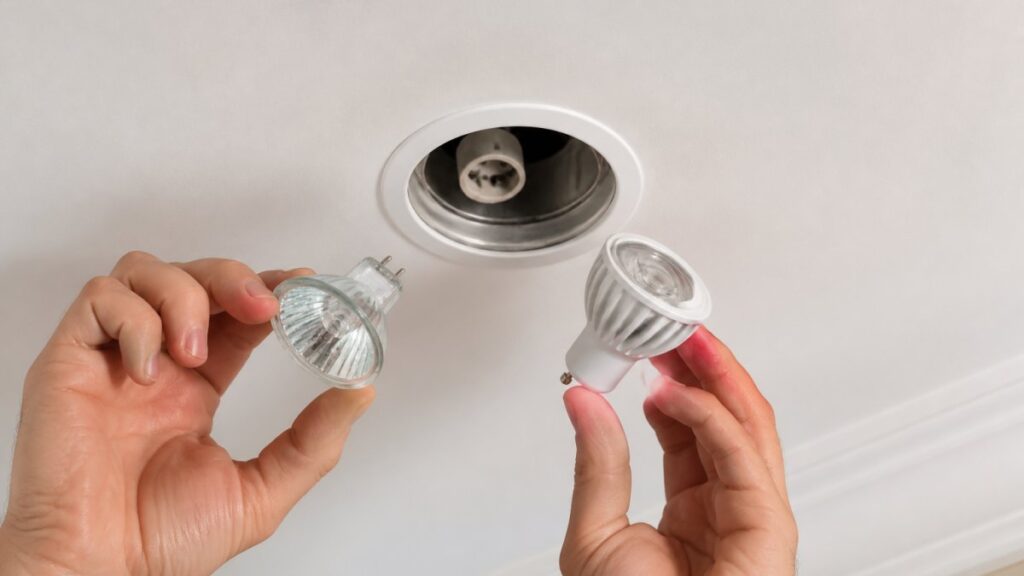
Most people shop for bulbs by wattage, but wattage only tells you how much power a bulb uses. It says little about how bright the room will be. Lumens measure light output, so they are the figure to work from when you calculate lumens for a living room.
Lumens, not watts, tell you how bright a bulb is. That is why a bulb’s lumen rating matters more than its wattage when you are planning how bright a room should be.
The rest of this guide shows you how to calculate lumens for your living room, then how to split that total across bulbs and fittings. You will also see a worked example for a 20 square metre room.
Step 1: Measure Your Living Room Area
Start by measuring the floor. Use a tape measure to record the length and width of the room in metres. Measure along the walls, not across the middle of the room, and note any alcoves or bay windows separately.
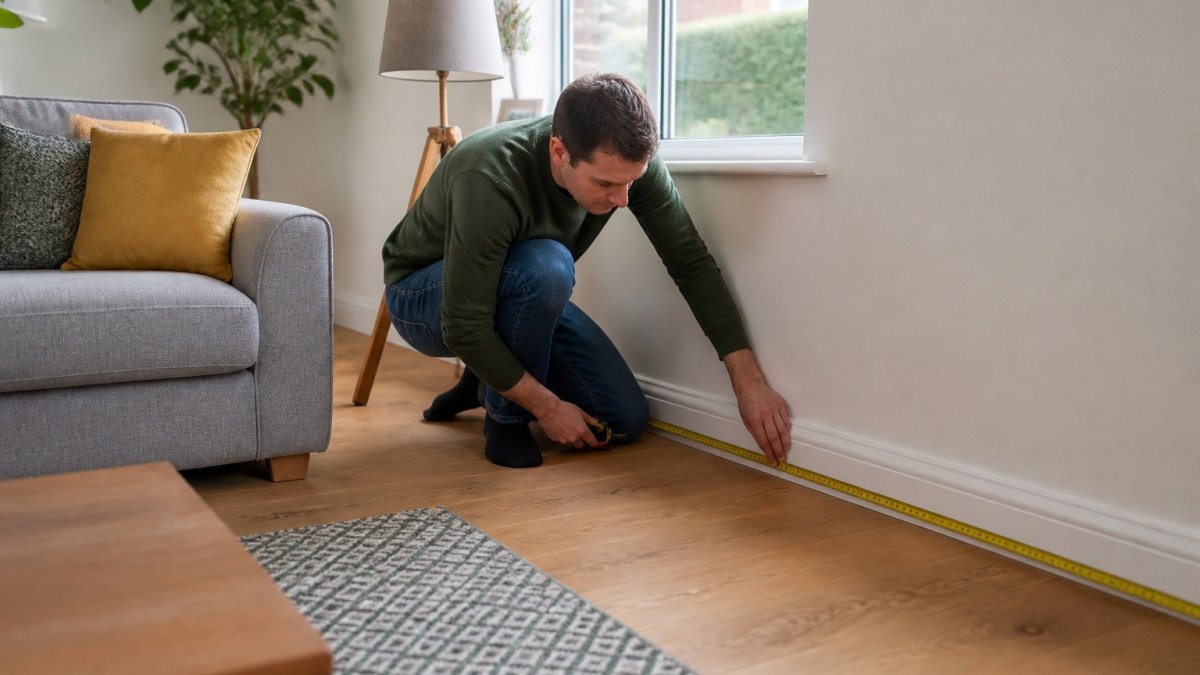
Multiply length by width to get the floor area. A room 5 metres long and 4 metres wide has an area of 20 square metres.
A common mistake is to skip the alcoves. Add them in, because they still need light.
Square metres versus square feet
Most UK rooms are measured in square metres, which is what we use throughout this guide. Some older plans and estate agent listings still show square feet. To convert, multiply square metres by 10.764. A 20 square metre room is about 215 square feet.
Stick to one unit from start to finish. Mixing the two is the most common source of a wrong lumen total.
Step 2: Choose a Target Light Level in Lux
Lux measures how much light actually lands on a surface. One lux is one lumen spread over one square metre. The lux level you choose sets how bright the room will feel, and it is the single assumption that most changes your final lumen total.
A relaxed living room often works well at around 100 to 150 lux for general ambient light. If you read, sew or do close work in the room, aim higher for those spots. Treat these figures as a starting point, because personal preference, the colour of your walls and the height of your ceiling all change how bright a room feels.
A practical starting table
Use these as starting points, then adjust for your own room. They are general best practice, not a legal requirement.
| Living room use | Target lux (starting point) |
|---|---|
| Relaxed ambient, evening use | 100 to 150 |
| General ambient with some tasks | 150 to 200 |
| Reading, sewing or close work spot | 300 to 500 |
| Accent on art or a feature wall | 100 to 200 at the surface |
What moves the number up or down
- Wall and ceiling colour. Dark paint, deep wallpaper and dark furniture absorb light, so a room with dark finishes usually needs a higher lux target to feel the same as a pale room.
- Ceiling height. A standard 2.4 metre ceiling is the usual assumption. A taller room spreads the same lumens over more air and surfaces, so you may need more output or fittings mounted lower.
- Windows and time of day. A room used mainly in the evening needs its artificial level to stand alone. A bright, south-facing room used in daytime can run lower.
- Age and eyesight. Most practitioners find that older occupants prefer a higher ambient level, often 200 lux or more, for the same room.
- Task versus ambient. Do not raise the whole room to task level. Light the task spot instead, which is cheaper and more comfortable.
Watch out: picking a single lux figure for the whole room and ignoring dark finishes or a tall ceiling is the most common reason a calculated total looks right on paper but feels dim in use.
The relationship between lumens and lux
Lux and lumens are linked by one simple idea: lux equals lumens divided by area. This means you can turn a target lux level into a total lumen figure by multiplying the lux by the floor area.
- Lux is the light level on the surface.
- Lumens are the total light the fittings give out.
- Area connects the two.
Stick to square metres throughout. Most UK rooms, plans and listings use square metres, and mixing units is the most common source of a wrong lumen total.
Step 3: Work Out the Total Lumens for the Room
Use this formula:
Total lumens = target lux × room area in square metres
For a living room with a target of 150 lux and an area of 20 square metres:
150 × 20 = 3,000 lumens
That 3,000 lumens is the total light you need across all the fittings in the room. It is not the output of a single bulb.
Here is a quick reference you can adapt:
| Room use | Target lux (starting point) |
|---|---|
| Relaxed ambient living | 100 to 150 |
| Reading or task area | 300 to 500 |
Many people find the lux numbers easier to pick once they see them next to a real room. Check the lux figures against your own experience of how bright a room should feel.
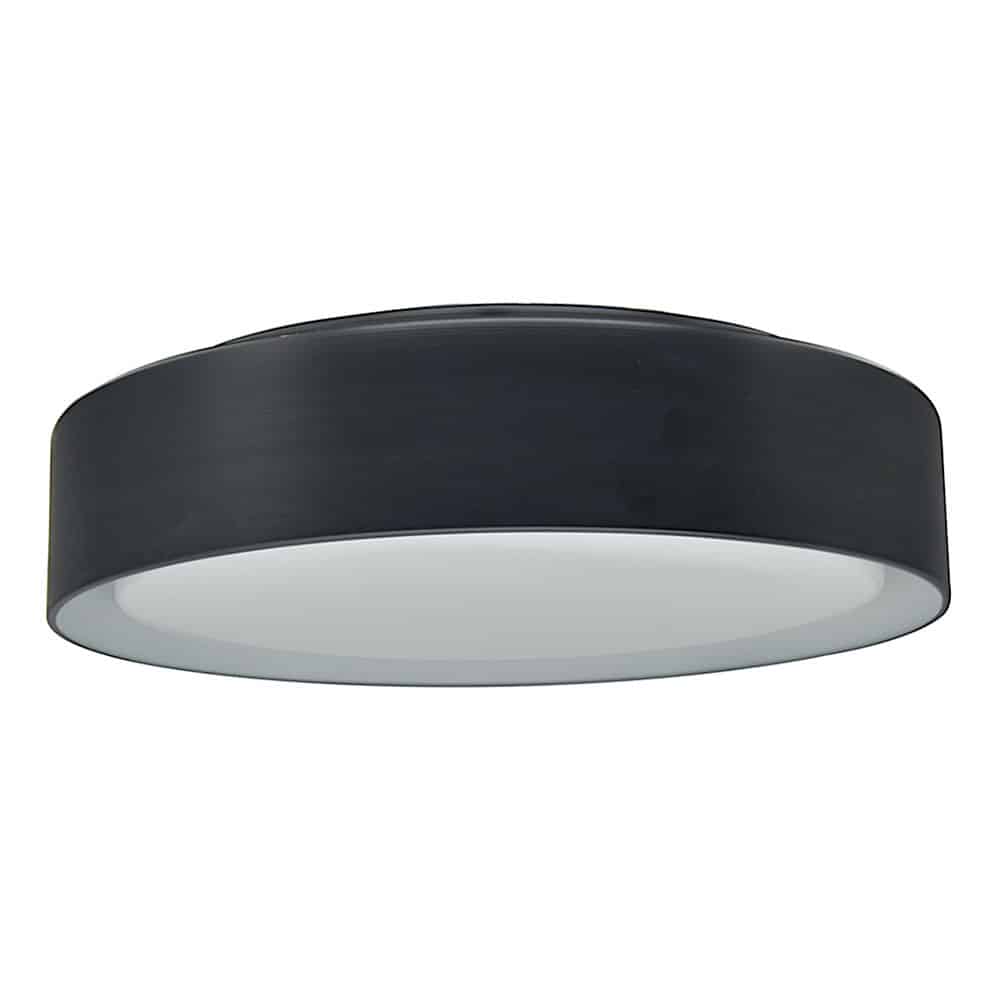
24W LED Surface Mounted Round Ceiling Lamp 470mm Brown – warm white →
Worked Example: A 20 Square Metre Living Room
Take a living room that measures 5 metres by 4 metres, giving 20 square metres. The household wants a comfortable ambient level of 150 lux, with a reading chair in one corner.
- Calculate the ambient total: 150 × 20 = 3,000 lumens.
- Add a small allowance for the reading corner, for example an extra 500 lumens for a floor lamp.
- Total target: about 3,500 lumens.
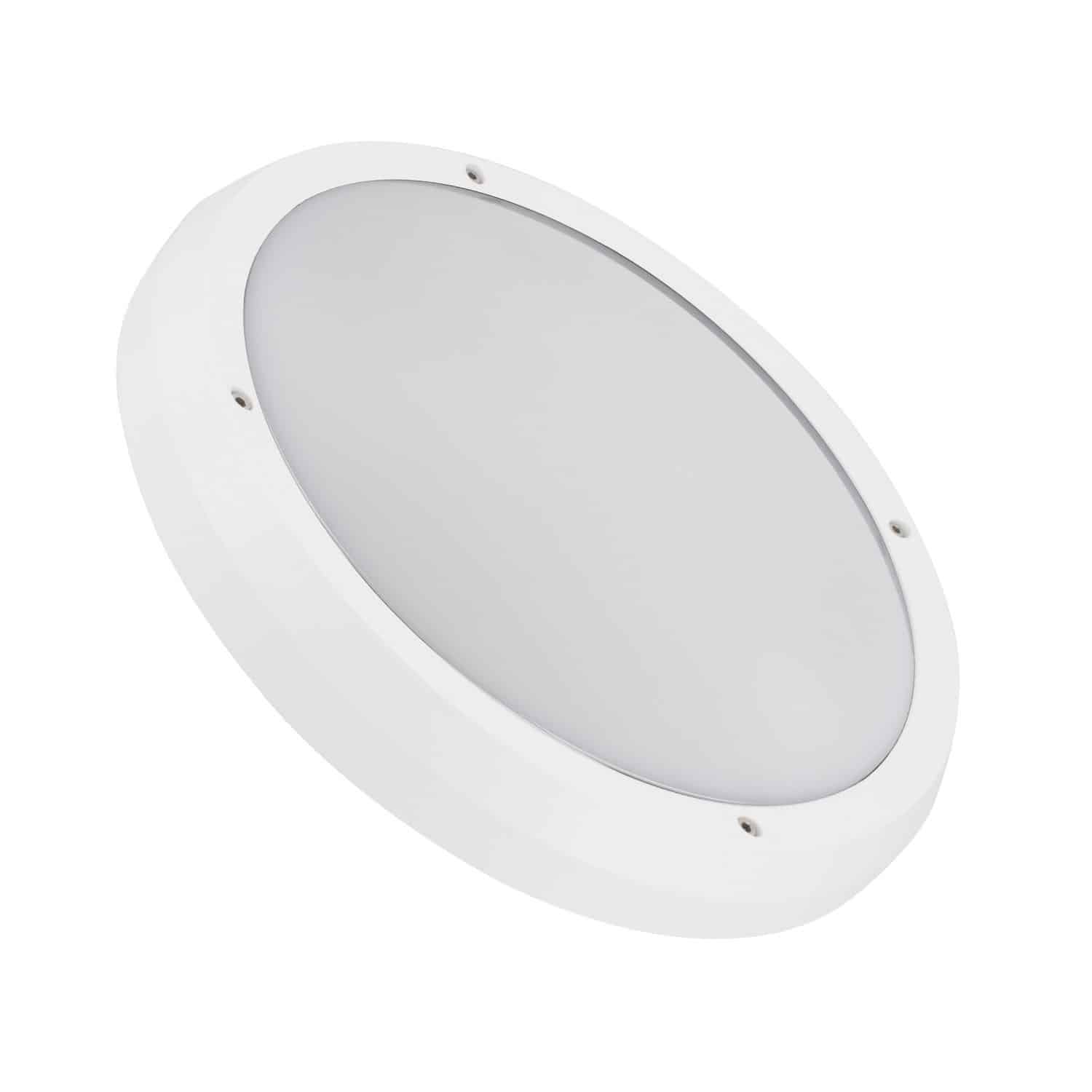
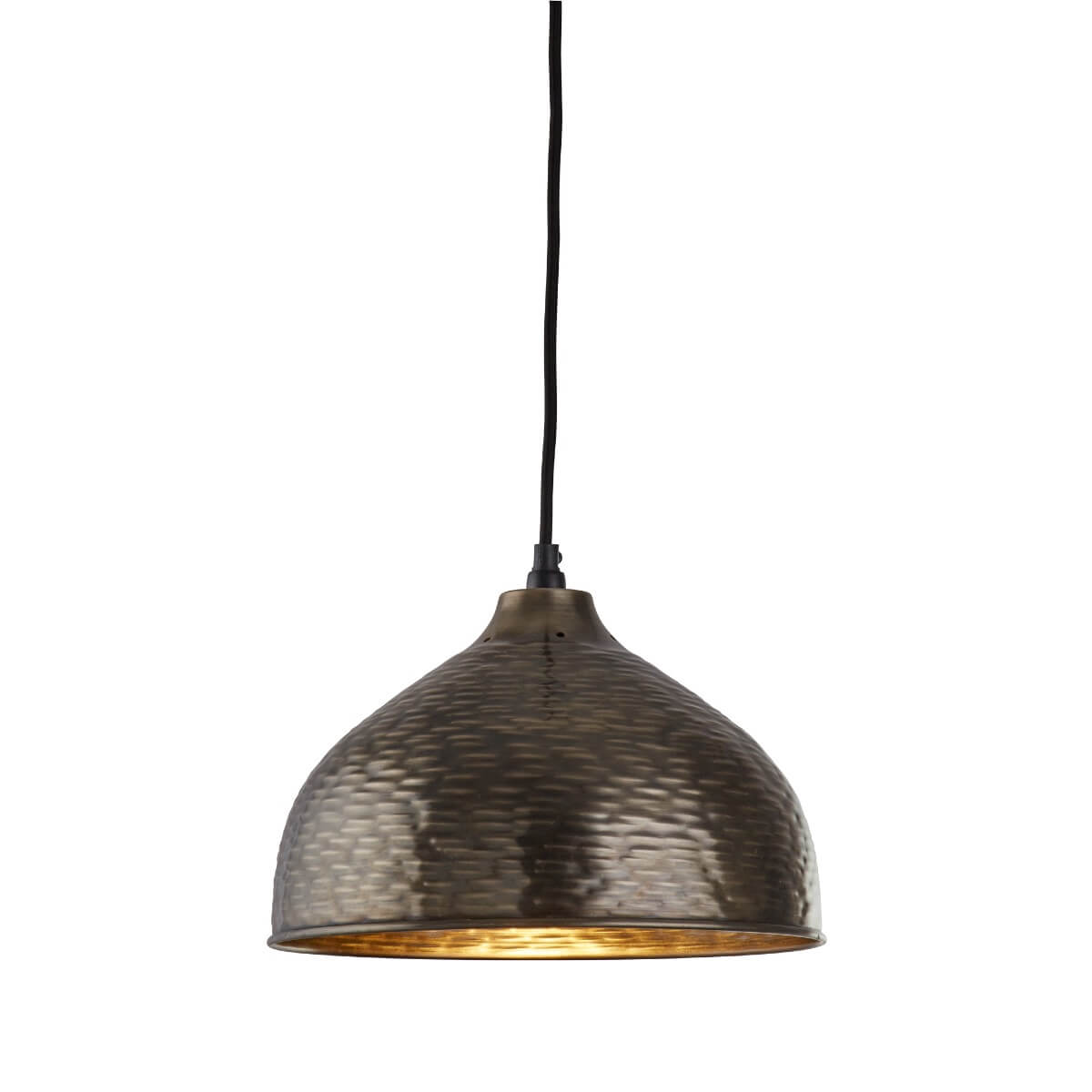
The 24W LED Surface Mounted Round Ceiling Lamp 470mm Brown is rated at around 2,100 lumens, so two fittings of that type would cover a 3,000 lumen ambient need, with a task lamp for the reading corner.
Check the numbers against the product listing before you buy. Lumen ratings can vary by model.
Step 4: Split the Lumens Across Ambient, Task and Accent Lighting
Most living rooms need three kinds of light, and the total lumen figure should be divided between them rather than treated as one bulb requirement:
- Ambient: the general light that fills the room. This is the bulk of your lumens.
- Task: focused light for reading, sewing or close work. Aim for a higher lux level in these spots.
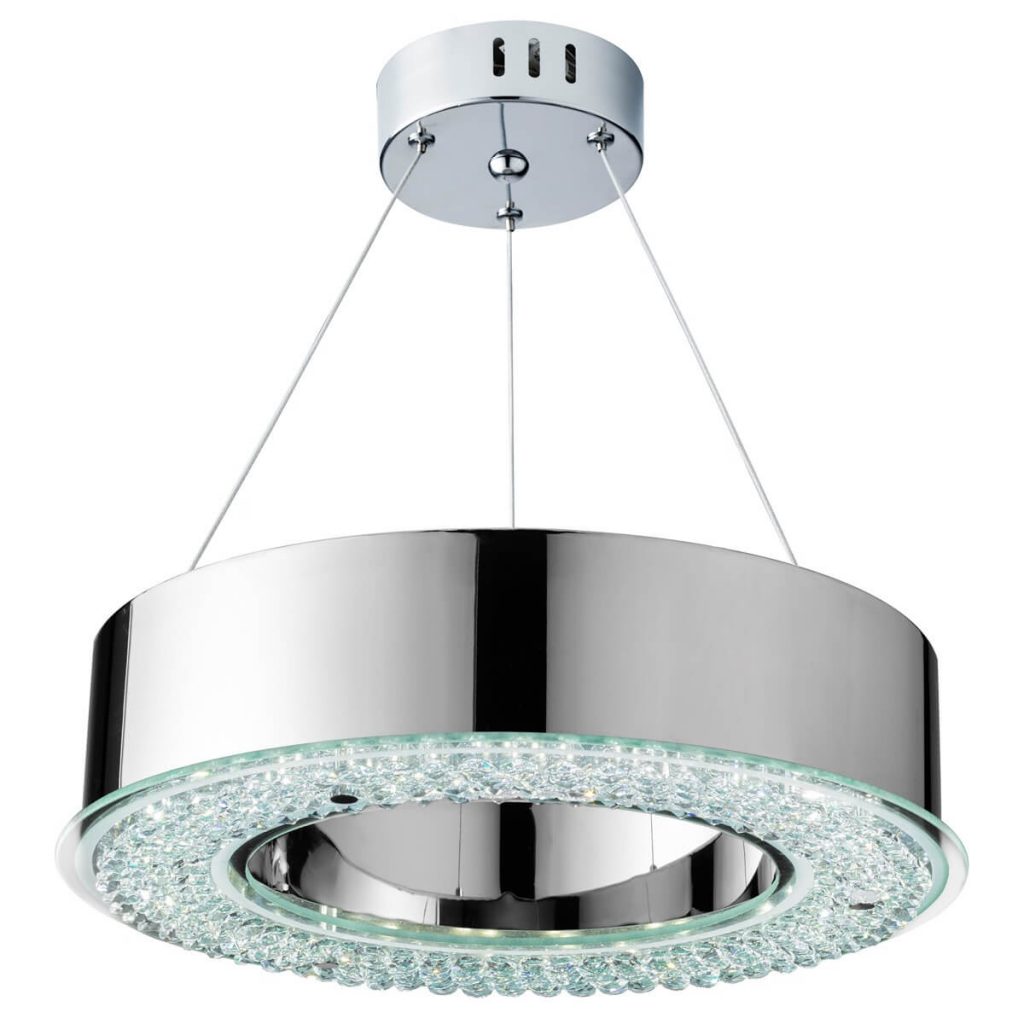
- Accent: light that highlights art, shelving or a feature wall. It usually needs fewer lumens. For statement or ambient lighting, you can browse chandelier options.
A sensible split for the 3,500 lumen example might be 3,000 lumens for ambient light, 300 for accent, and 200 for task light beside the chair. Adjust these shares to suit how you use the room.
Plan for scenes, not one brightness
A living room is used in different ways through the day, so plan for scenes rather than a single level. Usable starting targets:
- Relaxing in the evening: ambient at the lower end, around 100 lux, with accent light on and task light off.
- Entertaining: ambient at 150 lux or so, with accent light raised to add depth.
- Reading: ambient at 150 lux plus a task light giving 300 to 500 lux at the page.
A dimmer is what makes this practical. A dimmable fitting lets you run the same installation at a low level for relaxing and a higher level for entertaining without changing bulbs. For task and accent work, a dimmable LED downlight with three steps can be stepped down for mood lighting. Check that the dimmer switch and the lamp are compatible, because not every LED dims smoothly on every switch.

Open-plan rooms and uneven distribution
A single area-based estimate assumes light spreads evenly, which rarely happens in a real room. In an open-plan living and dining area, calculate each zone separately and add the totals rather than treating the whole floor as one living room. Dark finishes, deep alcoves, bay windows and tall furniture all create shadows that a flat calculation misses.
Watch out: a room that meets its lumen total on paper can still feel uneven if all the light comes from one central fitting. Spread ambient light across two or more fittings, and add task or accent light where people actually sit and look.
Turning Total Lumens Into a Bulb and Fitting Plan
Once you know the total lumen figure, work out how many fittings or bulbs you need. Divide the lumens for each zone by the lumen rating of the bulb or fitting you plan to use.
For example, if the ambient zone needs 3,000 lumens and each fitting gives 2,100 lumens, you would need two fittings. Round up rather than down, so the room does not end up dim.
Some practical checks:
- Match fittings to the room size. A large fitting in a small room can look heavy.
- Think about where people sit, not only where the ceiling is.
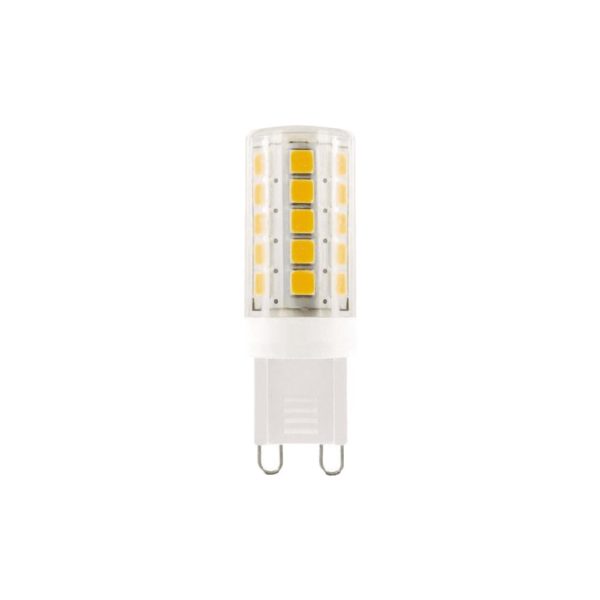
- For bulbs in table or floor lamps, check the lumen rating on the box, not the wattage.
If you need bulbs rather than a fitting,
Ledlam offers a range of LED ceiling lights. The 24W LED Surface Mounted Round Ceiling Lamp 470mm Oak Effect is available if you want a wood-effect finish.

Booking Your Lighting Plan: Shop LED Ceiling Lights at Ledlam
You now have the steps to work out a lumen target for your living room, a worked example, and a way to turn that figure into fittings. The next step is to choose your fittings.
Shop LED ceiling lights and bulbs online at Ledlam, or visit our Basildon Market shop to see fittings in person.
Last Updated: November 4, 2026
Frequently Asked Questions
How many lumens do I need for a living room?
Most UK living rooms work well at roughly 150 to 300 lux on the floor for general use, which translates to about 1,500 to 3,000 lumens for a 10 square metre room. Reading corners, dark wall finishes and older eyes may call for the upper end of that range. Start with the room area, choose a target lux level and multiply the two to get a starting figure, then adjust after checking the room in use.
How do I calculate lumens for a room?
Measure the length and width of the room in metres and multiply them to get the floor area in square metres. Choose a target light level in lux for the room’s use, then multiply the area by that figure to get total lumens. For a 4 by 5 metre room with a target of 200 lux, that is 20 square metres multiplied by 200, giving 4,000 lumens. Divide the total by the efficiency of your fittings if you want a more cautious estimate.
What is the difference between lumens and lux?
Lumens measure the total light output of a bulb or fitting, while lux measures how much of that light lands on a surface, one lumen per square metre equals one lux. Lumens are printed on packaging and tell you how bright a lamp is. Lux tells you how bright a room feels at the point you are working or relaxing. Lighting plans use lux as the target and lumens as the product specification.
Are lumens or watts more important when choosing an LED bulb?
Lumens are the more useful measure for LED bulbs. Watts describe how much electricity a bulb uses, and LEDs use far less power than older bulbs for the same brightness, so wattage no longer tells you how bright a bulb is. Check the lumen rating on the packaging to compare brightness between bulbs, and use wattage only to estimate running costs.
