












LED vs CFL Bulbs: Energy Savings Explained
Table of Contents
- LED vs CFL Bulbs: Key Differences at a Glance
- LED vs CFL Energy Consumption: Which Uses Less Power?
- LED Equivalent to CFL Wattage: Understanding the Conversion
- LED vs CFL Running Costs: Long-Term Savings Breakdown
- LED vs CFL Lifespan: Durability and Replacement Frequency
- Environmental Impact: Energy Efficiency and Sustainability
- Making the Switch: Why LED Is the Practical Choice
- Frequently Asked Questions
Last Updated: October 14, 2026
LED vs CFL Bulbs: Key Differences at a Glance
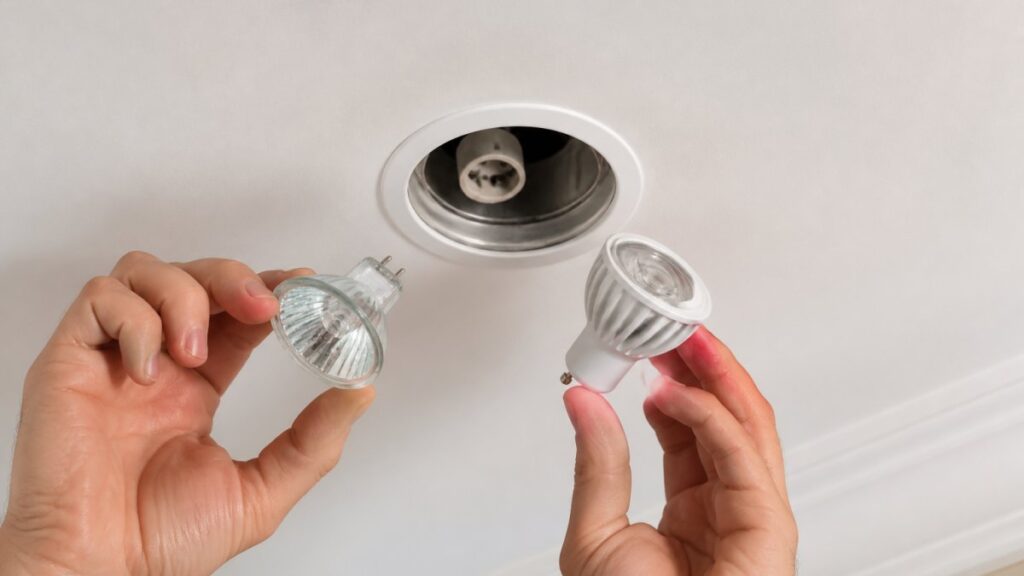
LED and CFL bulbs represent two different approaches to energy-efficient lighting, and understanding the distinction between them matters when you’re replacing old incandescent or halogen fixtures, led vs cfl bulbs energy savings explained helps you make the right choice. At Ledlam, we work with customers daily who face this choice, and the answer isn’t always straightforward, it depends on your specific application, budget, and how long you plan to keep the lights running.
LED (light-emitting diode) bulbs produce light by passing electricity through a semiconductor. CFL (compact fluorescent lamp) bulbs work by running an electric current through a gas-filled tube coated with phosphor. The practical difference is significant: LEDs are faster to switch on, don’t contain mercury, and last substantially longer. CFLs are cheaper upfront but require careful disposal because of the mercury inside.
For most UK households today, LED is the better choice. The energy savings are comparable between the two, but when you factor in lifespan, reliability, and the environmental cost of disposal, LED pulls ahead. That said, understanding the specifics helps you make confident decisions about which bulb to buy for each room.
LED vs CFL Energy Consumption: Which Uses Less Power?
Both LED and CFL bulbs consume far less power than the incandescent bulbs they replace, and led vs cfl bulbs energy savings explained shows why LED typically comes out ahead. The energy difference between LED and CFL themselves is modest, where LED truly wins is in efficiency combined with longevity.
A typical CFL bulb rated at 15W produces roughly the same brightness as a 60W incandescent bulb. An LED achieving the same brightness uses around 8-10W. In raw power consumption, the gap is small, perhaps 5-7W difference per bulb. Over a year, if a bulb runs 3 hours daily, that’s a difference of roughly 18-25 kilowatt-hours per bulb annually. At current UK electricity rates, that’s a saving of a few pounds per bulb per year.
The real advantage of LED over CFL emerges when you consider reliability. CFLs degrade over time and often flicker before they fail. LEDs maintain consistent brightness throughout their lifespan. This means you’re getting usable light for longer, not just technically-on light that’s fading.
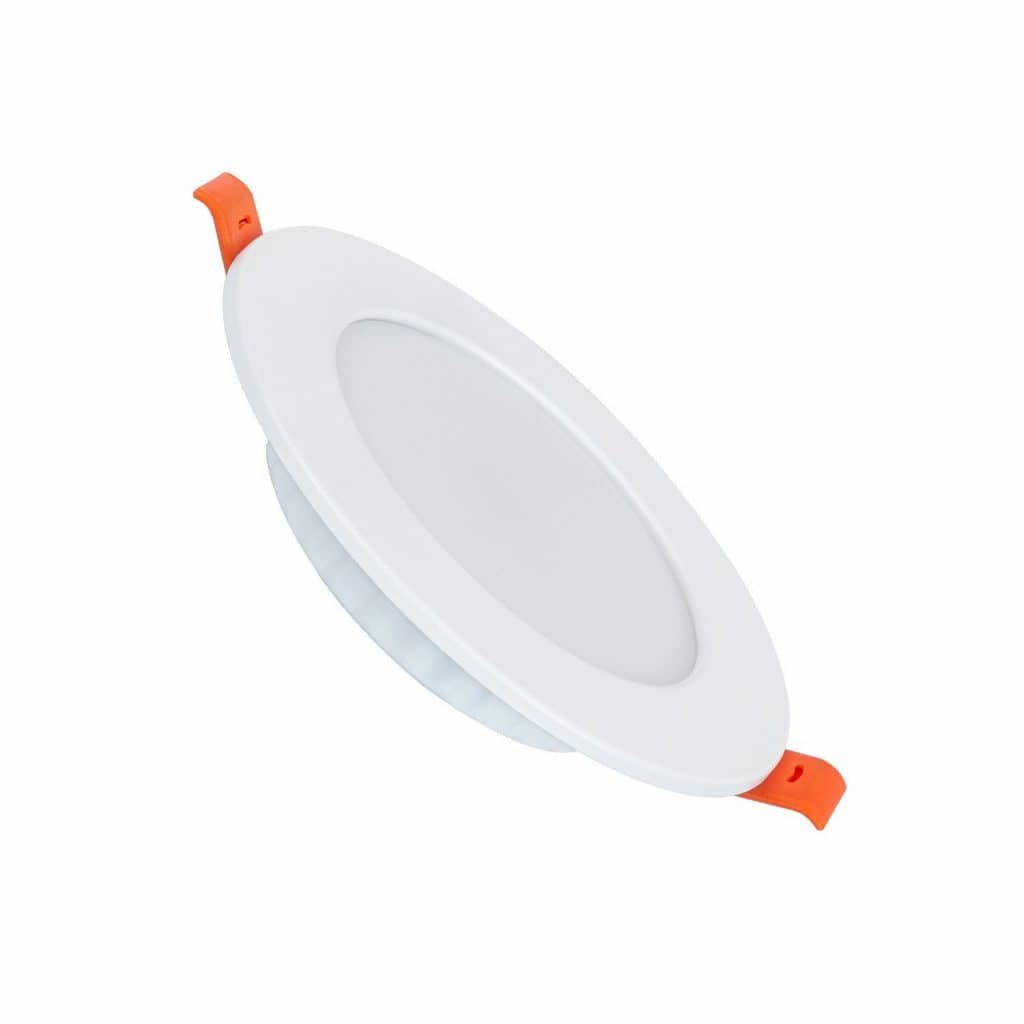
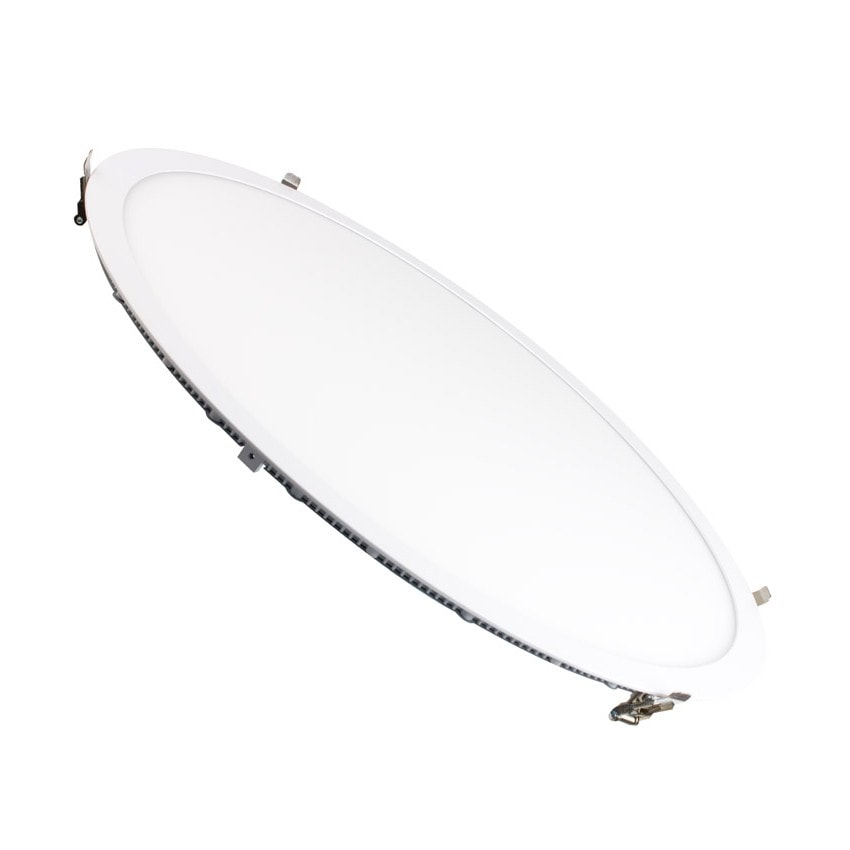
Many households find that switching from old halogen downlights (which consume 50W or more per bulb) to LED panel lights cuts energy use dramatically. Our LED Panel Light 18W Round 22RP, for example, replaces a 120W halogen downlight whilst using just 18W, that’s an 85% reduction in power draw per fixture.
LED Equivalent to CFL Wattage: Understanding the Conversion
This is where many people get confused. A bulb’s wattage no longer tells you how bright it is. Instead, brightness is measured in lumens.
A 60W incandescent bulb produces about 800 lumens. A CFL achieving the same brightness uses roughly 15W. An LED achieving the same brightness uses roughly 8-10W. The conversion isn’t straightforward because different technologies produce light at different efficiencies.
When shopping, ignore wattage and look at the lumen rating on the packaging. Two bulbs with the same lumen rating will appear equally bright, regardless of whether one is LED and one is CFL. For reference:
- 400 lumens ≈ old 40W incandescent
- 800 lumens ≈ old 60W incandescent
- 1,100 lumens ≈ old 75W incandescent
- 1,600 lumens ≈ old 100W incandescent
Colour temperature, measured in Kelvin (K), also matters. Warm white (2,700K) feels cosy and suits living rooms. Cool white (4,000K) suits kitchens and workspaces. Daylight (6,000K) is bright and clinical. Both LED and CFL come in all three options, though LEDs offer more variety and consistency.
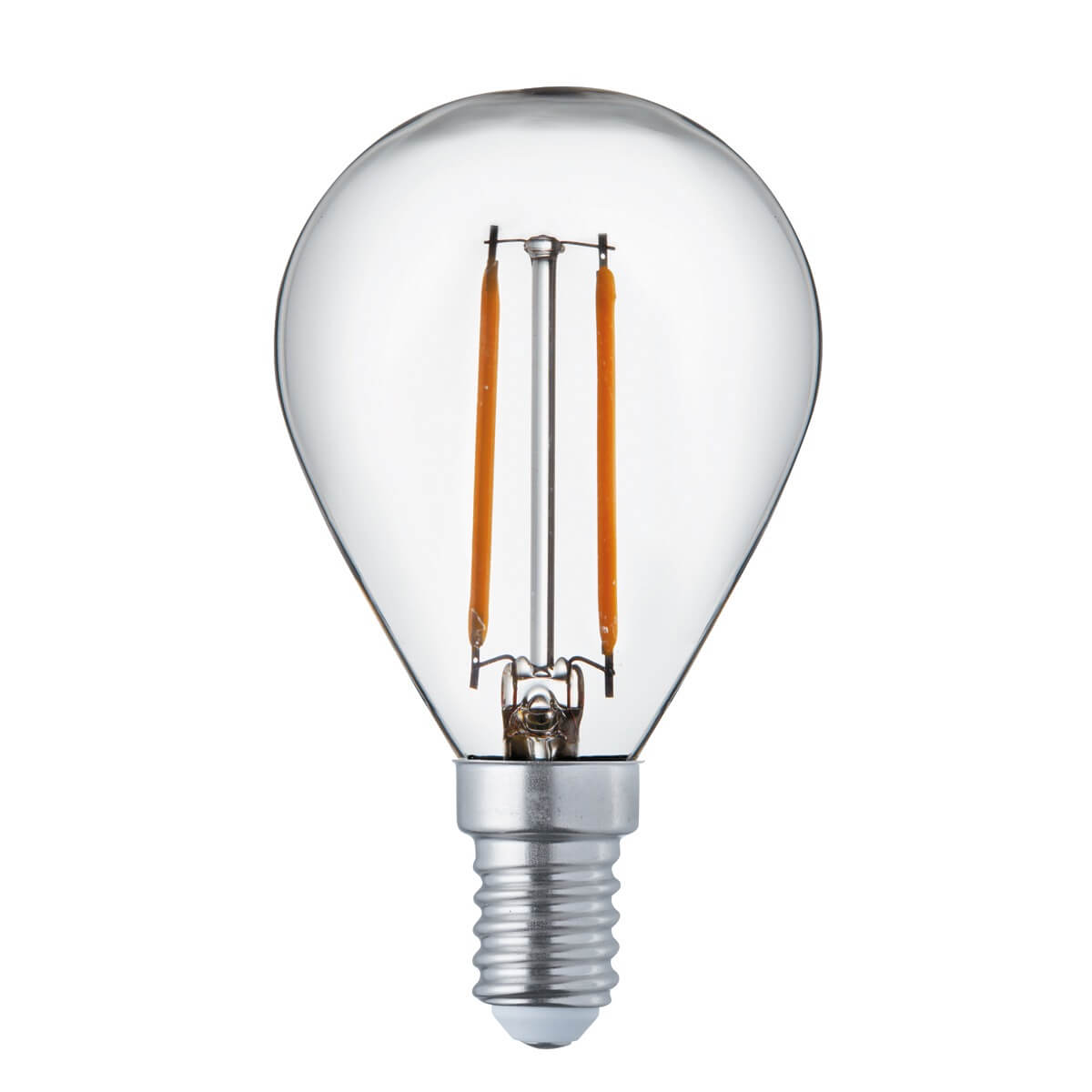
Our B22 LED Golf Ball Bulb 5W 510GP delivers 510 lumens using just 5W, equivalent to a 40W incandescent bulb. For spot lighting, the GU10 6W LED Spot Light 600SV produces 600 lumens at 6W, replacing a 50W halogen bulb.


LED vs CFL Running Costs: Long-Term Savings Breakdown
When you calculate the true cost of lighting, you must account for purchase price, electricity consumption, and replacement frequency.
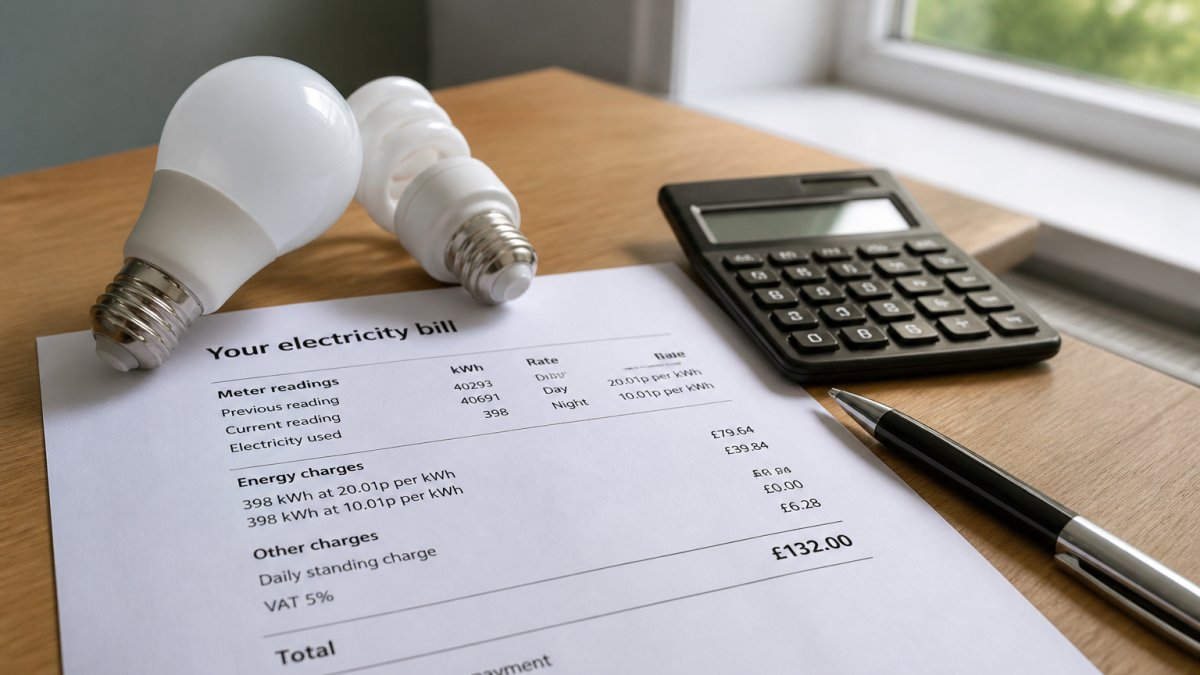
A CFL bulb costs roughly £3-5 upfront and uses about 15W for a typical 60W-equivalent bulb. An LED bulb costs £2.99-£10.99 depending on the type, and uses 8-10W for the same brightness. Over 10 years of typical domestic use (3 hours daily), here’s the breakdown:
CFL approach:
- 5 bulbs at £4 each: £20
- Electricity: 15W × 3 hours × 365 days × 10 years ÷ 1,000 = 16.4 kWh per bulb × 5 bulbs = 82 kWh
- At roughly 24p per kWh, that’s £19.68 in electricity
- Total: approximately £40
LED approach:
- 1 bulb at £5: £5
- Electricity: 8W × 3 hours × 365 days × 10 years ÷ 1,000 = 8.76 kWh
- At 24p per kWh, that’s £2.10 in electricity
- Total: approximately £7
The LED saves roughly £33 per bulb over a decade. Across a 10-bulb household, that’s £330 in savings. The payback period for switching to LED is typically 1-2 years, after which you’re simply saving money.
CFLs require replacement every 2-3 years in heavy use, adding labour and the cost of new bulbs. LEDs last 25,000-50,000 hours, which translates to 20+ years in typical household use. You buy once and forget about it.
LED vs CFL Lifespan: Durability and Replacement Frequency
This is where LED decisively wins. A CFL bulb lasts roughly 8,000-10,000 hours. An LED bulb lasts 25,000-50,000 hours, sometimes longer.
In practical terms: a CFL running 3 hours daily lasts about 7-9 years. An LED running the same schedule lasts 20-45 years. Most people replace their homes’ lighting systems long before an LED fails.
B22 LED Golf Ball Bulb 5W 510GP →
This lifespan difference has real consequences. CFLs fail gradually, they flicker, dim, and eventually stop working. You’ll notice the bulb fading and know it’s time to replace it. LEDs typically fail suddenly and completely, but this happens so rarely in domestic use that most people never experience it.
CFLs also contain mercury, which means they require careful disposal at a hazardous waste facility. You cannot simply throw them in the bin. This creates an environmental cost and an inconvenience. LEDs contain no mercury and can be recycled like standard waste.
The durability advantage of LED means fewer trips to the shop, less time spent changing bulbs, and less waste going to landfill. For landlords managing multiple properties or businesses with extensive lighting, the labour saving alone justifies the switch.
Environmental Impact: Energy Efficiency and Sustainability
The environmental case for LED over CFL is stronger than most people realise. Yes, both are far better than incandescent bulbs, but LED pulls ahead across the full lifecycle.
Manufacturing an LED bulb requires energy, but because the bulb lasts so long, the environmental cost per year of use is lower. A CFL bulb requires replacement 5-6 times over the lifespan of a single LED. Each replacement involves manufacturing, packaging, and transport, all with environmental costs. Reducing this cumulative waste further requires a precise understanding of household consumption patterns, which can be achieved through smart energy monitoring to ensure that every watt is utilised with maximum efficiency.
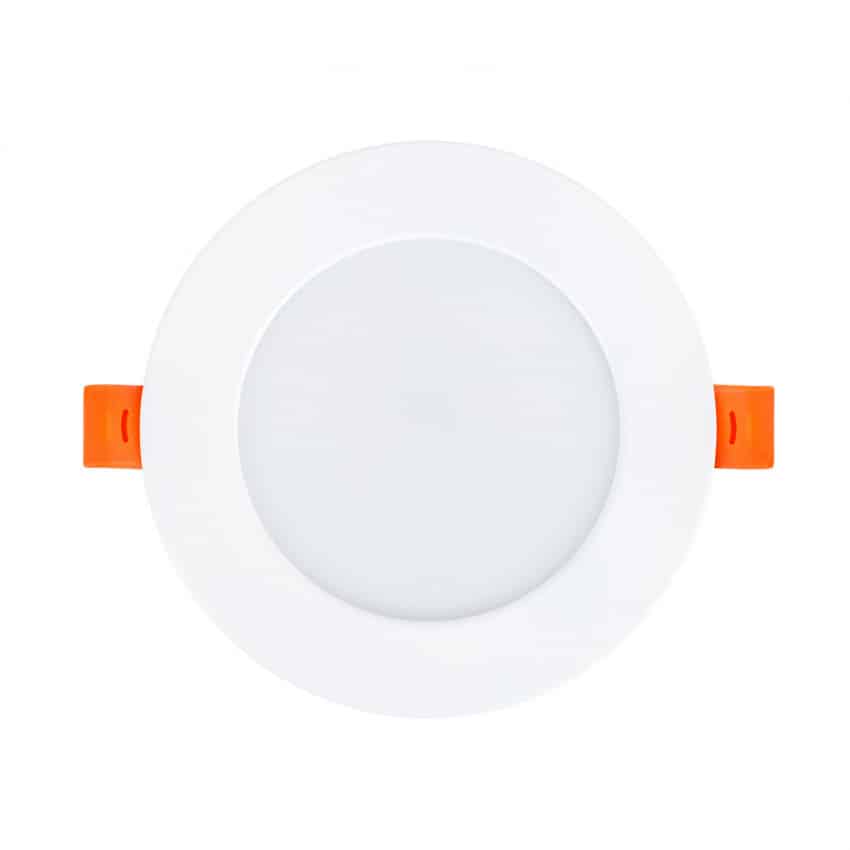
Energy consumption over the bulb’s lifetime is where LED shines. Our LED Panel Light 3W Round 9RP uses 85% less energy than the 20W incandescent it replaces. Across a home with 20 light fixtures, switching to LED eliminates roughly 1,000 kWh of annual electricity consumption. That’s equivalent to the carbon footprint of driving a petrol car about 2,500 miles.

CFL bulbs contain mercury, which is a toxic heavy metal. If a CFL breaks indoors, the mercury vapour poses a health risk. Proper disposal requires taking the bulb to a hazardous waste facility. LED bulbs contain no toxic materials and pose no disposal risk.
A household switching entirely to LED typically reduces its lighting energy consumption by 75-85%. For a typical UK home, that’s a reduction of 300-500 kWh annually. Over 20 years, that’s 6,000-10,000 kWh saved, equivalent to roughly 2-3 tonnes of CO₂ not released into the atmosphere.
Making the Switch: Why LED Is the Practical Choice
The case for switching to LED is straightforward when you look at the numbers. The upfront cost is higher, but the payback period is short, and the long-term savings are substantial. Beyond cost, there are practical advantages that matter in daily life.
LEDs switch on instantly. CFLs take 30 seconds to a minute to reach full brightness, which is annoying in rooms you use briefly (bathrooms, hallways, cupboards). LEDs also work with dimmer switches far more reliably than CFLs, which often flicker or fail on dimmed circuits.
Reliability is another factor. An LED bulb will almost certainly outlive you. A CFL will fail within your ownership. When a bulb fails, you replace it, a minor inconvenience. When multiple bulbs fail over time, the inconvenience compounds. LED eliminates this problem.
For any new installation or when replacing failed bulbs, LED is the obvious choice. For existing CFL installations, the case depends on how old they are. If your CFLs are relatively new (less than 3 years old), you might wait. If they’re 5+ years old, replacing them with LED now will pay for itself within 2 years and then save you money every year after.
| Factor | LED | CFL |
|---|---|---|
| Initial cost | £2.99-£16.99 | £3-£5 |
| Power consumption (60W equivalent) | 8-10W | 15W |
| Lifespan | 25,000-50,000 hours | 8,000-10,000 hours |
| Years in typical use | 20+ | 7-9 |
| Contains mercury | No | Yes |
| Instant on | Yes | No (30-60 second warmup) |
| Works with dimmers | Yes (most) | No (often flickers) |
| Disposal | Standard recycling | Hazardous waste facility |
| 10-year cost per bulb | ~£7 | ~£40 |
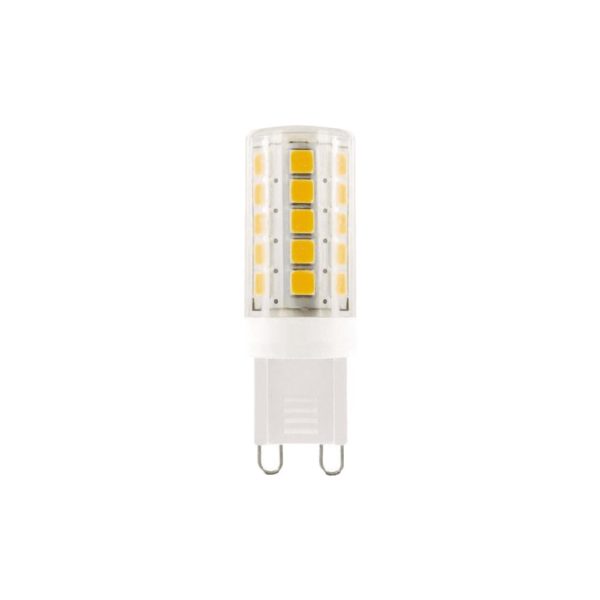
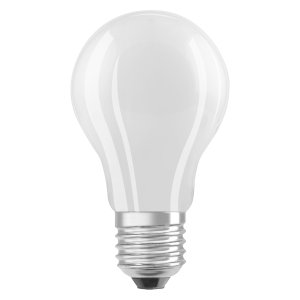
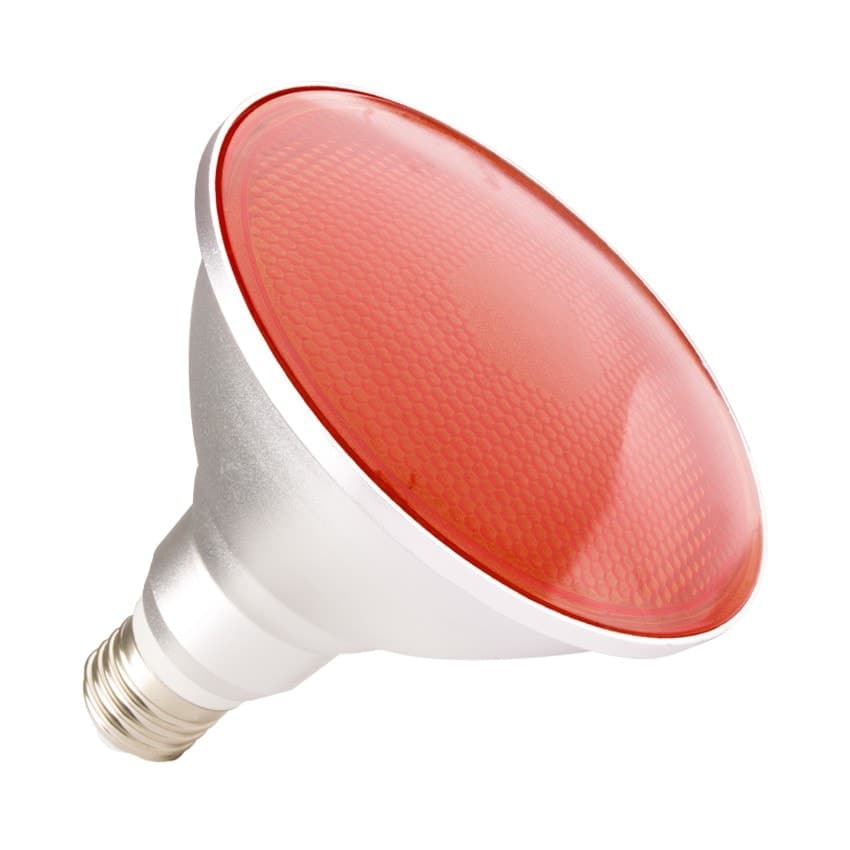
When you’re ready to upgrade your home’s lighting, Ledlam stocks a full range of LED bulbs and panels for every application. Our 18W Led Slimline Downlight with CCT (3000k, 4000k, 6000k) gives you switchable colour temperatures in a single fixture, letting you adjust the mood of a room without changing bulbs. For traditional bulb fittings, we stock B22, E27, E14, and GU10 LED options, all delivering the energy savings and reliability that make LED the practical choice.
Visit our website to explore our full LED lighting range, or call in to our Basildon Market store to see the products in person. Our team can help you find the right bulb for each room and show you exactly how much you’ll save. Check out our LED Offers today and start reducing your energy bills.
Switching from CFL to LED isn’t just about saving a few pounds on your electricity bill, it’s about choosing lighting that’s more reliable, more convenient, and better for the environment. LED bulbs cost more upfront, but they pay for themselves within two years and then deliver savings for the next two decades. Ledlam supplies quality LED bulbs and panels at competitive prices, with the practical advice and local service that help you make the right choice for your home. Get started with Ledlam’s LED range and experience the difference reliable, efficient lighting makes.
Frequently Asked Questions
Do LED bulbs use less electricity than CFL bulbs?
Yes. LED bulbs typically consume 75-88% less energy than equivalent CFL bulbs. For example, a 6W LED produces the same brightness as a 15W CFL, using less than half the power. This difference compounds quickly across multiple fixtures in your home, delivering measurable reductions in your electricity consumption.
How much can you save by switching from CFL to LED bulbs?
Savings depend on your current setup and usage patterns. If you replace ten 15W CFLs with 6W LEDs used 4 hours daily, you could see significant savings in electricity costs alone. Over a 25-year LED lifespan, that totals substantial savings per fixture group, plus you avoid buying multiple replacement CFLs.
How many watts does an LED bulb use compared with a CFL?
An LED bulb typically uses 60-70% fewer watts than an equivalent CFL. A 5W LED produces similar brightness to a 12-15W CFL. The exact difference depends on the brightness level (measured in lumens) you need. Check the lumen rating on packaging to compare like-for-like brightness, not just wattage.
Do LED bulbs last longer than CFL bulbs?
LED bulbs last significantly longer. Most LEDs are rated for 25,000-50,000 hours of operation, compared to 8,000-10,000 hours for CFLs. In practical terms, an LED might last 20-30 years with typical household use, whilst a CFL typically lasts 5-10 years. This means fewer replacements and lower maintenance costs over time.