












7 Ways to Enhance LED Light Output and Quality
Last Updated: October 26, 2026
Quick Summary
To enhance LED light, focus on increasing lumens for brightness, selecting the correct colour temperature for your space, and ensuring dimmer compatibility with dimmable LED bulbs. Layer your lighting with task, ambient and accent lights, and use reflective surfaces to amplify brightness throughout your room.
- A standard 60-watt incandescent bulb produces around 800 lumens for reference brightness levels
- Warm white at 2700K suits living spaces, whilst 5000K cool white works best for offices and workshops
- Use dimmable LED bulbs with dimmer switches to avoid flickering and control issues
- Light-coloured walls and ceilings reflect more light than dark surfaces, making spaces feel brighter
- Layer lighting with task, ambient and accent lights for optimal illumination and atmosphere
Table of Contents
- Why Enhance Your LED Light?
- How to Make LED Lights Brighter
- Understanding LED Lighting Colour Temperature
- LED Dimmer Compatibility and Control
- Smart LED Lighting Ideas for Enhanced Control
- Optimising Placement and Positioning
- Troubleshooting Dull or Flickering LED Lights
- Choosing the Right LED Products for Your Space
- Frequently Asked Questions
Why Enhance Your LED Light?
LED lighting has transformed how we light our homes and workplaces. But simply installing LEDs isn’t enough. To truly enhance LED light output and quality, you need to understand the factors that affect brightness, colour, and control.
The goal of enhancing LED light goes beyond just making things brighter. It’s about creating the right atmosphere, improving energy efficiency, and ensuring your lighting works reliably with your existing switches and controls. Whether you’re upgrading a single room or retrofitting an entire property, these seven methods will help you achieve better results.
How to Make LED Lights Brighter
The perceived brightness of LED lights depends on more than just the wattage. Lumens measure actual light output, and higher lumen ratings deliver noticeably brighter illumination.
When you want to make LED lights brighter, start by checking the lumen specification on the bulb packaging. A standard 60-watt incandescent bulb produces around 800 lumens.
Another approach is layering your lighting:
- Use bright task lights where you need focused illumination
- Add ambient lighting for general visibility
- Include accent lights to highlight specific areas
Reflective surfaces amplify brightness too. Light-coloured walls, ceilings, and fixtures bounce light around the room more effectively than dark surfaces. A white or cream ceiling reflects far more light than a dark one, making the entire space feel brighter without adding more fixtures.
Consider the colour temperature as well.
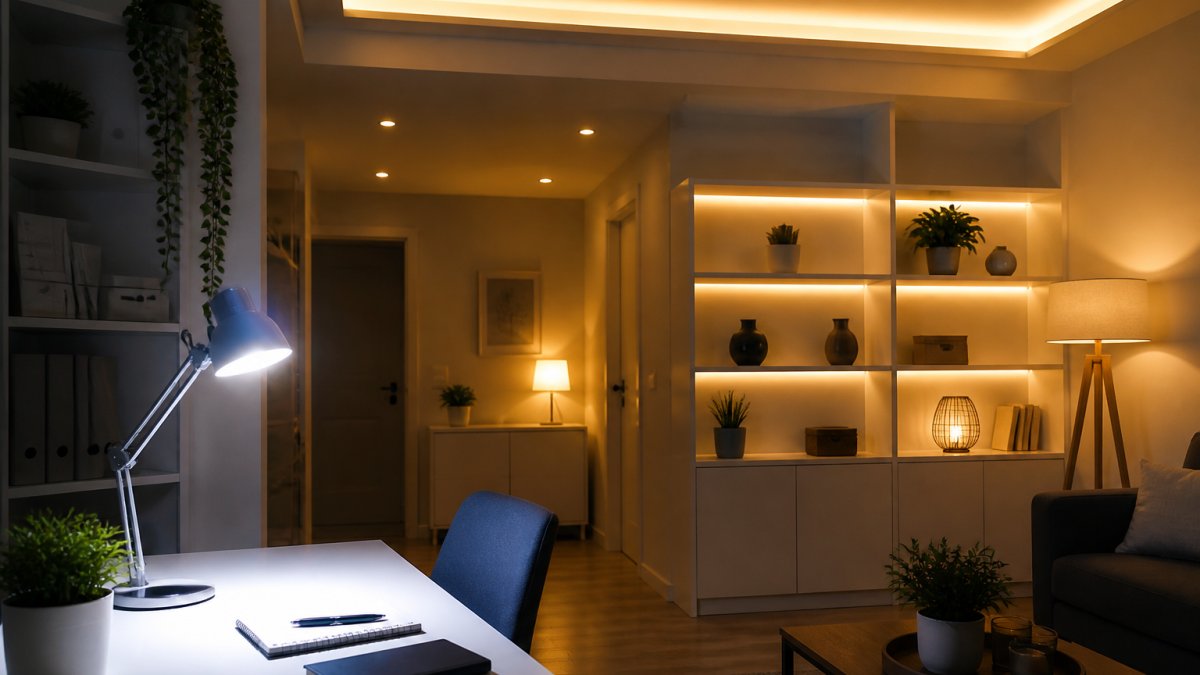
Strategic placement of these high-output sources also allows for precise control when lighting large paintings, ensuring that the visual depth of the artwork is fully realised without washing out the finer details.
Understanding LED Lighting Colour Temperature
Colour temperature measures how warm or cool a light appears, expressed in Kelvin (K). This single specification has an enormous impact on how your space feels.
Warm white light (2700K) creates a cosy, relaxing atmosphere. It’s ideal for living rooms, bedrooms, and dining areas where you want a comfortable, inviting feel. Neutral white (4000K) sits in the middle, working well in kitchens and bathrooms. Cool white (5000K and above) feels bright and energetic, perfect for offices, workshops, and areas where you need focus.
The right colour temperature depends entirely on your use case:
- Living spaces: 2700K warm white for comfort
- Kitchens and bathrooms: 4000K neutral white for clarity
- Offices and workshops: 5000K cool white for alertness
- Retail and display areas: 4000K-5000K to show colours accurately
When enhancing LED light in your home, mismatching colour temperatures can make spaces feel disjointed. If you have warm white lights in your lounge and cool white in your kitchen, the transition feels jarring. Plan your colour temperature scheme across the whole property for a cohesive result.
For detailed guidance on selecting the right temperature for your needs, how to choose LED bulb colour temperature covers this in depth.
LED Dimmer Compatibility and Control
Not all LED bulbs work smoothly with dimmer switches. This is one of the most common frustrations when trying to enhance LED light in existing homes.
The solution is straightforward: use dimmable LED bulbs with your dimmer switches.
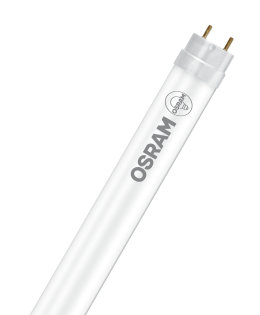
Dali LED Driver Osram T5/T8 Tubes Twin 15w-37w 220-240v (OS/730656) →
Check your dimmer switch compatibility:
- Older dimmer switches may not work with budget LEDs
- Modern dimmers (especially DALI-certified systems) offer better performance
- Some dimmers require a minimum load to function; too few LEDs can cause problems
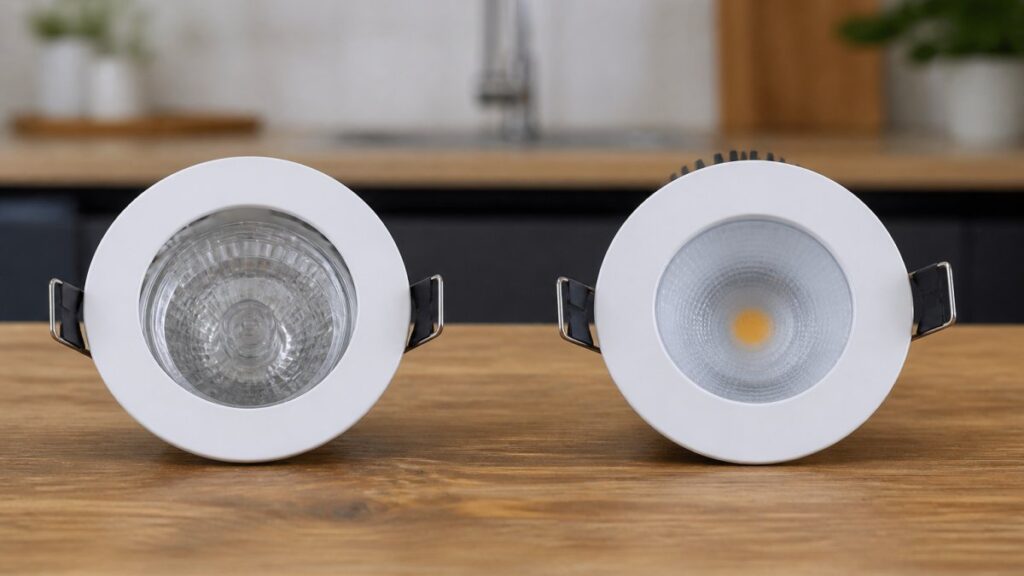
The Osram Dimmable LED GU10 8.3w 2700k is a dimmable GU10 bulb priced at £9.36.

For more detail on how dimmers and smart bulbs interact, smart bulbs and dimmer compatibility explains the technical side.
Smart LED Lighting Ideas for Enhanced Control
Smart lighting ideas that work well:
- Automated morning routines with gradually brightening lights
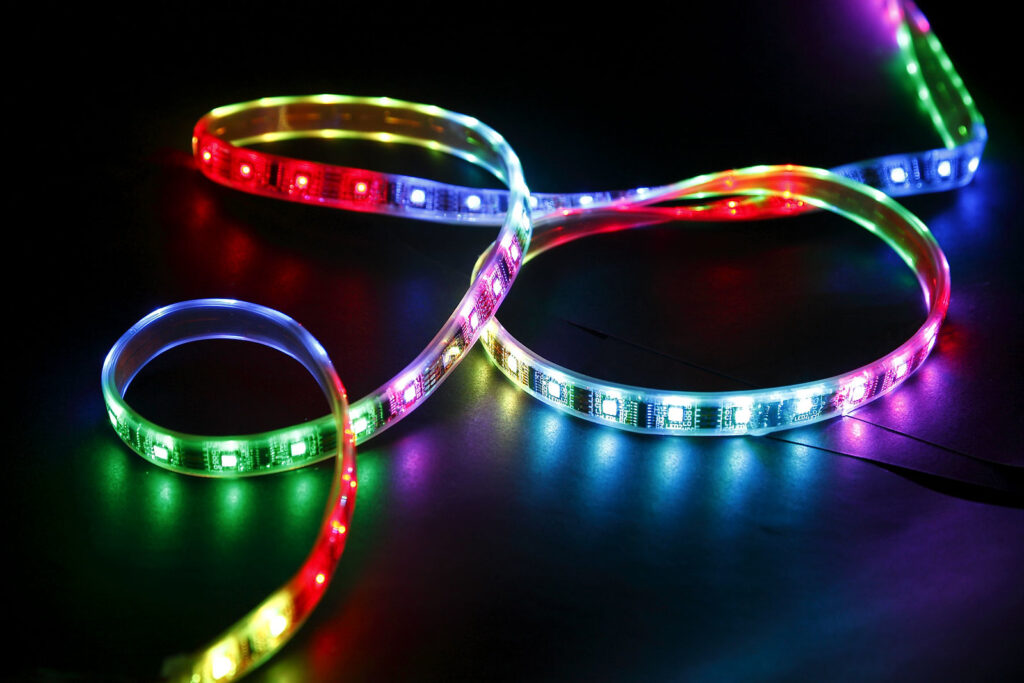
- Colour-changing accents for mood and entertainment
- Voice control integration with smart speakers
- Scheduling lights to turn on at sunset and off at bedtime
- Motion sensors that activate lights only when needed
how to use smart lighting in your home provides practical guidance on setting up and using these systems effectively.
Optimising Placement and Positioning
Positioning strategies that improve results:
- Mount ceiling lights slightly off-centre in smaller rooms to avoid glare
- Use uplighters to bounce light off ceilings and create ambient glow
- Position task lights at 45 degrees to reduce shadows on work surfaces
- Space multiple lights evenly rather than relying on one central fixture
- Mount lights higher in rooms with low ceilings to make the space feel larger
Troubleshooting Dull or Flickering LED Lights
For detailed solutions to flickering issues, why LED bulbs flicker on dimmers and fixes that work covers this topic thoroughly.
Choosing the Right LED Products for Your Space
Selecting the right LED products is the foundation of effective lighting enhancement. You can explore dimmable LED options with warm colour temperatures that work with your existing fixtures and dimmer switches. The right choice depends on your fixture type, brightness needs, colour preference, and dimmer compatibility.
| Factor | Consideration | Result |
|---|---|---|
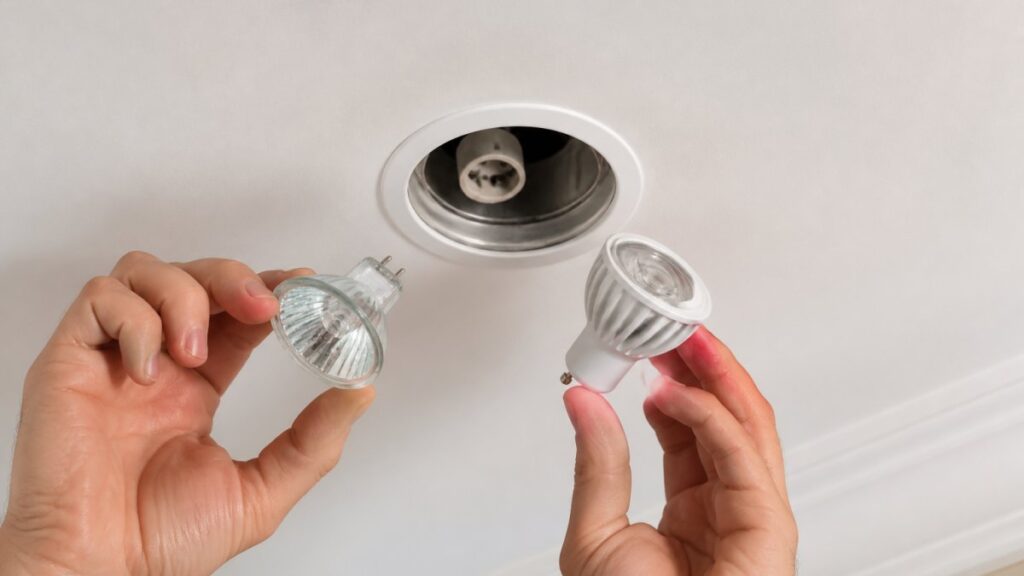
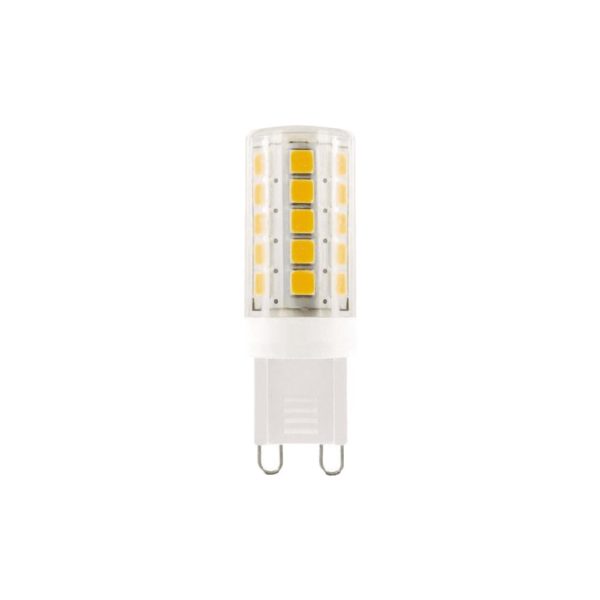
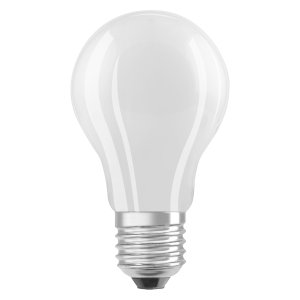
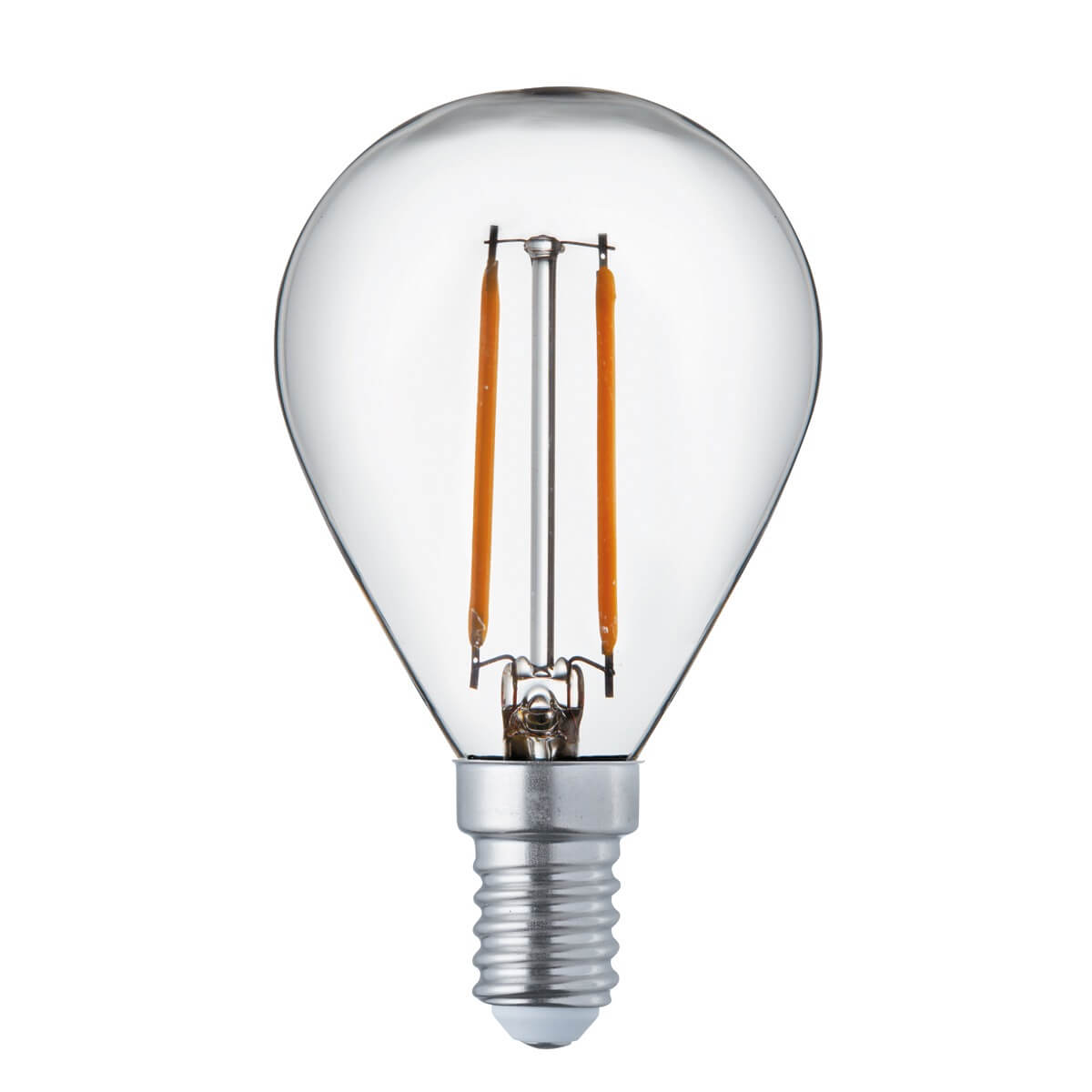
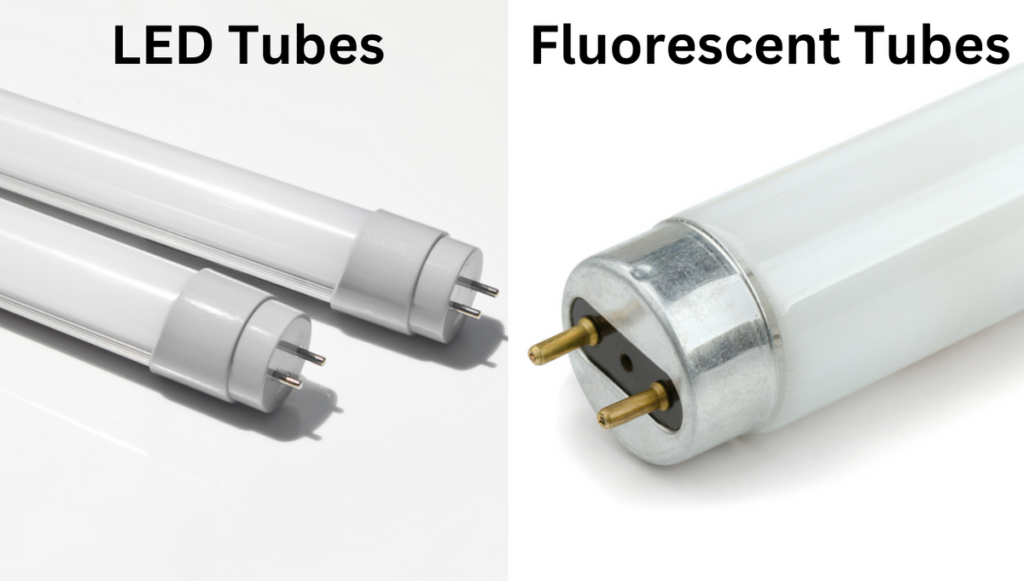
| Fixture type | GU10, E27, E14, T5, T8 | Determines bulb compatibility |
| Brightness (lumens) | Room size and purpose | 400-800 lumens for most rooms |
| Colour temperature | Warm (2700K) to cool (5000K) | Sets mood and functionality |
| Dimmable requirement | Existing dimmer switches | Choose dimmable if needed |
| Lifespan | 15,000-50,000 hours typical | Longer lifespan = lower maintenance |
The Osram Dimmable LED GU10 8.3w 2700k at £9.36 is a dimmable GU10 bulb with a 2700K colour temperature and a listed lifetime of up to 25,000 hours. The Ledvance Dimmable LED GU10 9.6w 2700k is listed at £7.20.

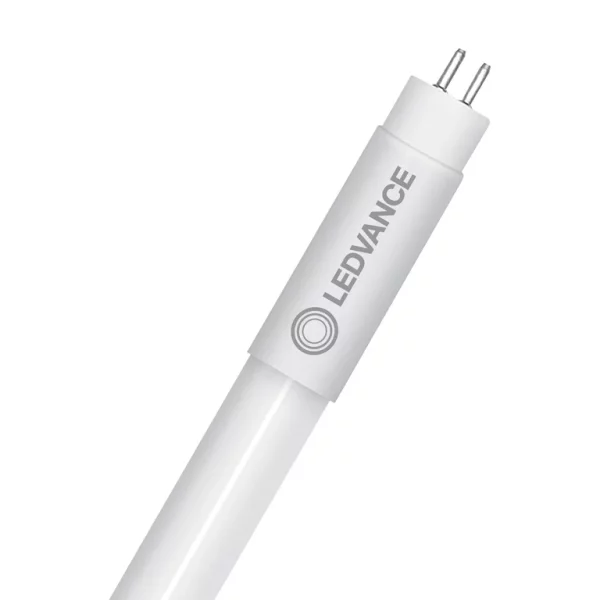
The Dali LED Driver Osram T5/T8 Tubes Single 15w-37w 220-240v is listed at £43.20 and has a DALI 2.0 interface for dimming and sensor operations.

Check out our LED offers today, or visit the Basildon Market shop to see our full range of dimmable LED bulbs and lighting solutions in person.
Frequently Asked Questions
How can I make my LED lights brighter without replacing them?
The Osram Dimmable LED GU10 8.3w is listed at £9.36.
Why do my LED lights look dull or flicker?
The Dali LED Driver Osram T5/T8 Tubes Twin is listed at £35.00, and the Single is listed at £43.20. The product listings describe a DALI 2.0 interface for dimming and sensor operations.
What colour temperature should I choose to enhance LED lighting in different rooms?
The Ledvance Dimmable LED GU10 9.6w 2700k is listed at £7.20. Its listing describes it as dimmable, with a 2700K colour temperature and a GU10 base.
Can I use smart controls to enhance my LED lighting?
The Dali LED Driver Osram T5/T8 Tubes Twin and Single listings describe a DALI 2.0 interface for dimming and sensor operations.
